
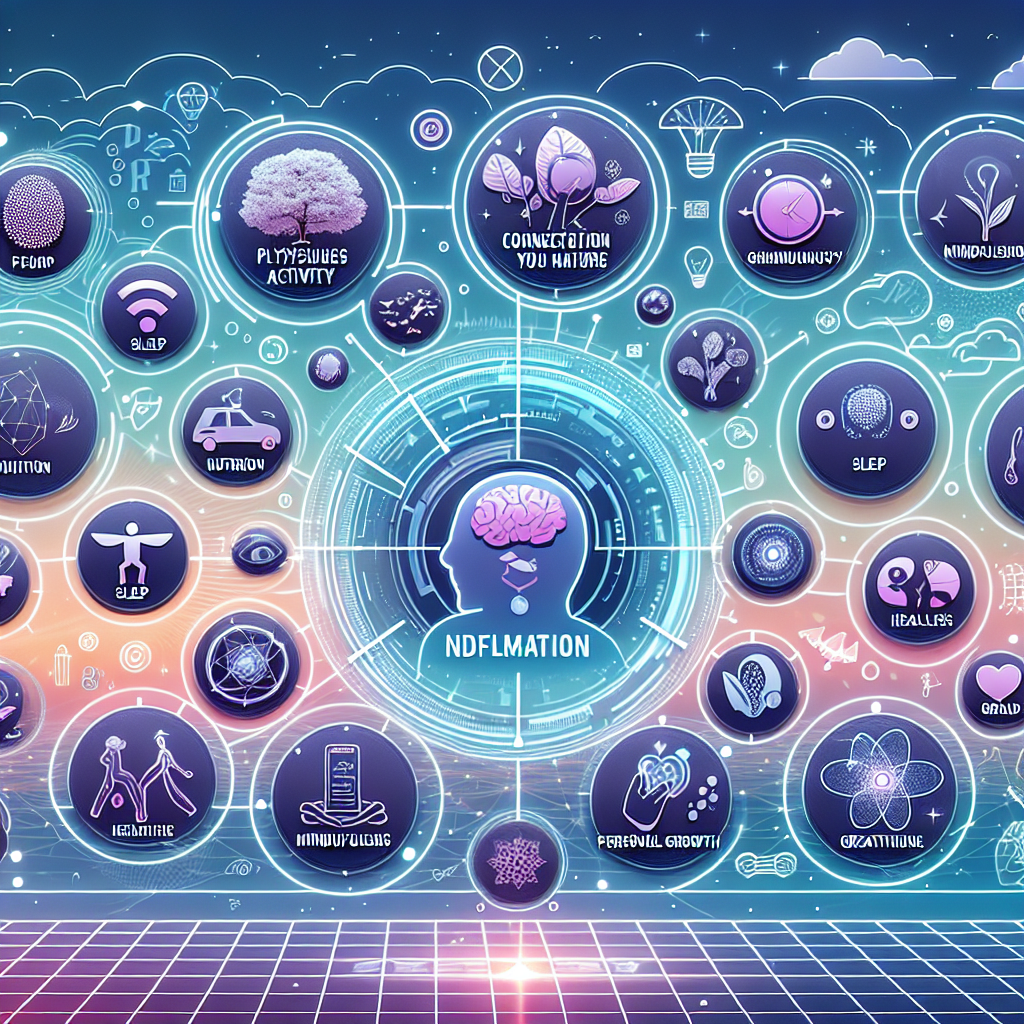
Understanding the role of nutrition is crucial; certain foods contain essential nutrients that support immune response. For instance, vitamin C-rich foods like citrus fruits and leafy greens help strengthen the immune system by promoting the production of white blood cells. Additionally, regular hydration aids in the efficient functioning of the immune system, flushing out toxins and ensuring optimal cellular function.
Another common mistake is neglecting the importance of sleep. Sleep is vital for immune health, as it allows the body to repair and regenerate. Insufficient sleep can lead to increased susceptibility to illnesses. Therefore, establishing a consistent sleep schedule and creating a restful environment is essential for maintaining a strong immune system.
Nutritional Foundations for Immunity
A well-balanced diet is fundamental for a robust immune system. Foods rich in vitamins A, C, and E, as well as minerals like zinc and selenium, play crucial roles in immune defense. Incorporating a variety of fruits, vegetables, whole grains, and lean proteins can provide the necessary nutrients to support immune function.
For instance, foods like berries, nuts, and fish are excellent sources of antioxidants and omega-3 fatty acids, which help reduce inflammation and improve immune response. Additionally, fermented foods such as yogurt and sauerkraut can enhance gut health, which is closely linked to immune function. Prioritizing these foods over processed options can have a significant impact on overall health.
Moreover, it’s essential to be mindful of potential dietary pitfalls. Over-reliance on sugars and processed foods can lead to inflammation and weaken the immune system. Aiming for a colorful plate filled with varied nutrients will provide a solid foundation for immune health.
Physical Activity and Immune Function
Regular physical activity is another critical component for boosting immunity. Exercise promotes circulation, which allows immune cells to move throughout the body more efficiently. Engaging in moderate exercise, such as brisk walking, cycling, or swimming, can enhance immune function and reduce the risk of chronic diseases.
However, it’s important to balance exercise intensity; excessive or high-intensity workouts without adequate recovery can lead to immune suppression. For optimal immune support, aim for at least 150 minutes of moderate aerobic activity each week, paired with strength training exercises on two or more days.
Additionally, incorporating movement into your daily routine can provide cumulative benefits. Simple actions like taking the stairs, walking during breaks, or practicing yoga can significantly contribute to maintaining a healthy lifestyle and robust immune function.
The Role of Sleep in Immune Health
Sleep is a critical factor in maintaining a strong immune system. During sleep, the body undergoes various repair processes, including the release of cytokines, which are important for regulating immune responses. Aim for 7-9 hours of quality sleep each night to ensure optimal immune function.
Creating a sleep-friendly environment can enhance sleep quality. This includes minimizing light and noise, maintaining a comfortable temperature, and establishing a relaxing bedtime routine. Avoiding screens before bed can also help signal to your body that it’s time to wind down.
Good Health Solution is Easier Than Most People Think!
Take a Look for Yourself!
Moreover, it’s crucial to recognize the signs of sleep deprivation, such as increased irritability, fatigue, and difficulty concentrating. Addressing sleep issues promptly can prevent long-term negative effects on immune health.
Managing Stress for Better Immunity
Chronic stress can have detrimental effects on the immune system. When stressed, the body produces cortisol, which can suppress immune function and increase susceptibility to illness. Therefore, effective stress management techniques are essential for maintaining a strong immune response.
Practices such as mindfulness, meditation, yoga, and deep-breathing exercises can help alleviate stress and promote relaxation. Engaging in hobbies, spending time with loved ones, and ensuring adequate downtime are also crucial for mental well-being.
Furthermore, recognizing stress triggers and finding constructive ways to cope can prevent the negative impact of stress on health. Prioritizing self-care and mental health is vital for supporting overall immune function.
Further Reading
For those looking to deepen their understanding of immunity, official health resources provide valuable insights. Consider exploring reputable sources that focus on nutrition, exercise, sleep, and stress management for comprehensive strategies to boost immunity.
Further Reading
Authoritative Sources
- MedlinePlus
medlineplus.govConsumer-friendly medical and health information from the U.S. National Library of Medicine.
- National Institutes of Health
nih.govResearch-based health information and links to authoritative medical resources.
- Centers for Disease Control and Prevention
cdc.govOfficial public health guidance, prevention resources, and topic-specific recommendations.
- Mayo Clinic
mayoclinic.orgTrusted clinical guidance, symptom explainers, and treatment overviews.
- World Health Organization
who.intGlobal health guidance, fact sheets, and evidence-based public health information.
Frequently Asked Questions
What foods are best for boosting immunity?
Foods rich in vitamins C, D, and zinc, such as citrus fruits, leafy greens, nuts, and seeds, are excellent for supporting immune health.
How much exercise is needed to improve immunity?
Aim for at least 150 minutes of moderate exercise each week to enhance immune function and overall health.
Can stress affect my immune system?
Yes, chronic stress can suppress immune function, making you more susceptible to illness. Managing stress is crucial for maintaining a healthy immune response.
How does sleep impact immunity?
Quality sleep is vital for immune health, as it allows the body to repair and regenerate. Aim for 7-9 hours of sleep each night.
What are some simple ways to reduce stress?
Practicing mindfulness, engaging in hobbies, and spending time outdoors are effective ways to manage stress and improve overall well-being.
Conclusion
In summary, boosting immunity involves a multifaceted approach that includes proper nutrition, regular exercise, adequate sleep, and effective stress management. Prioritizing these elements can significantly enhance your immune function and overall health. By making conscious lifestyle choices and incorporating these simple strategies, you can empower your body’s natural defenses and improve your resilience against illness.

Good Health Solution is Easier Than Most People Think!
Take a Look for Yourself!