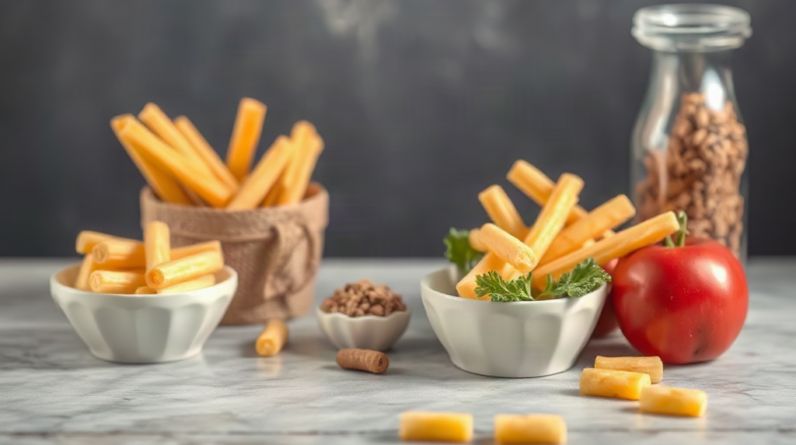

Understanding the specific causes of inflammation is essential for effective management. Common triggers include poor diet, lack of exercise, and chronic stress. By addressing these factors with targeted remedies, individuals can not only reduce inflammation but also enhance their quality of life. For instance, incorporating a balanced diet rich in anti-inflammatory foods can reduce the risk of chronic diseases linked to inflammation.
Many people mistakenly believe that inflammation is solely a result of external factors. However, internal factors such as gut health and hormonal balance also play a critical role. Prioritizing gut-friendly foods, such as fermented products, can enhance digestive health and reduce inflammation. It’s important to recognize that a holistic approach, combining diet and lifestyle changes, yields the best results in managing inflammation.
Anti-Inflammatory Foods
Incorporating anti-inflammatory foods into your diet is one of the most effective strategies for managing inflammation. Foods such as berries, fatty fish, nuts, and seeds are loaded with antioxidants and omega-3 fatty acids that combat inflammation. These nutrients help reduce oxidative stress and promote cellular health.
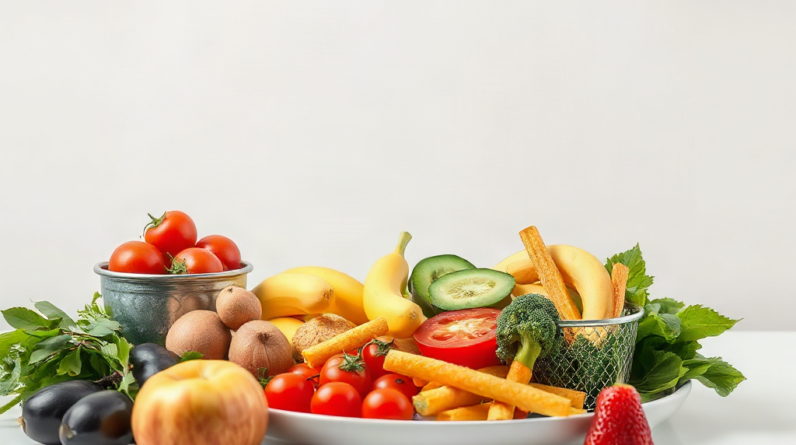
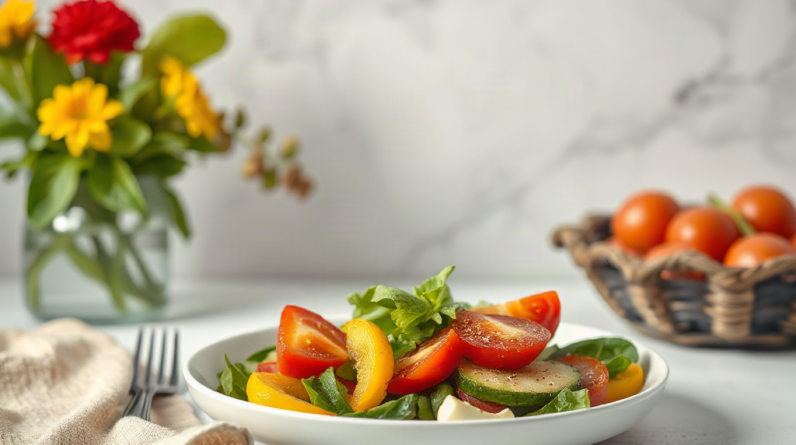
To effectively leverage the benefits of these foods, focus on variety and balance. Aim to include a rainbow of fruits and vegetables in your meals, as different colors often indicate a range of beneficial compounds. For instance, leafy greens like spinach and kale are rich in vitamins and minerals that support immune function and reduce inflammation.
Additionally, consider the timing of your meals. Eating smaller, more frequent meals can help maintain stable blood sugar levels, which may further reduce inflammation. Remember, the goal is to create a sustainable eating pattern that prioritizes anti-inflammatory choices while minimizing processed foods high in sugar and unhealthy fats.
Lifestyle Changes for Inflammation Management
In addition to dietary adjustments, lifestyle changes are crucial for managing inflammation effectively. Regular physical activity is one of the most impactful ways to reduce inflammation. Engaging in moderate exercise, such as walking or cycling, helps improve circulation and supports the body’s natural anti-inflammatory processes.
Moreover, prioritizing adequate sleep is essential. Sleep deprivation can lead to increased levels of inflammatory markers in the body. Establishing a consistent sleep schedule and creating a restful environment can enhance sleep quality, thus supporting overall health.
Furthermore, stress management techniques such as meditation, yoga, or deep-breathing exercises can significantly lower inflammation levels by reducing the body’s stress response. By integrating these practices into your daily routine, you create a holistic approach to managing inflammation.
Common Mistakes to Avoid
While pursuing natural remedies for inflammation, many individuals make common mistakes that can hinder their progress. One prevalent issue is the reliance on supplements without addressing foundational dietary changes. Supplements can be beneficial, but they should complement a balanced diet rather than replace it.
Another mistake is neglecting the importance of hydration. Drinking enough water is vital for maintaining cellular function and flushing out toxins that contribute to inflammation. Aim to stay well-hydrated throughout the day.
Good Health Solution is Easier Than Most People Think!
Take a Look for Yourself!
Finally, be cautious of fad diets that promise quick results. These diets often lack essential nutrients and can lead to imbalances that exacerbate inflammation. Instead, focus on long-term dietary changes that prioritize whole foods and sustainable practices.
Further Reading
Authoritative Sources
- Natural Anti-Inflammatory Foods
ncbi.nlm.nih.govThis article reviews various natural foods that have anti-inflammatory properties and their impact on health
- The Inflammation Diet
healthline.comA comprehensive overview of dietary choices and their effects on inflammation levels
- Health Benefits of an Anti-Inflammatory Diet
webmd.comExplores the connection between diet and inflammation, offering practical tips for dietary changes
Frequently Asked Questions
What are the best natural remedies for inflammation?
Some of the best natural remedies include anti-inflammatory foods like berries, fatty fish, and leafy greens, along with lifestyle changes such as regular exercise and stress management.
How does diet affect inflammation?
A diet high in processed foods and sugar can increase inflammation, while a diet rich in whole foods, antioxidants, and omega-3 fatty acids can help reduce it.
Can stress increase inflammation?
Yes, chronic stress can lead to increased inflammation due to the release of stress hormones that trigger inflammatory responses in the body.
How important is sleep for managing inflammation?
Sleep is crucial, as inadequate rest can elevate inflammatory markers, making it harder for the body to recover and maintain health.
Are supplements effective for reducing inflammation?
While some supplements may help, they should not replace a balanced diet; focusing on whole foods is the most effective approach to manage inflammation.
Conclusion
In summary, managing inflammation through natural remedies involves a multifaceted approach that includes dietary choices and lifestyle changes. Prioritizing anti-inflammatory foods, regular exercise, adequate sleep, and stress management can yield significant health benefits. Avoid common pitfalls such as relying solely on supplements or neglecting hydration. By integrating these strategies into your daily routine, you can effectively reduce inflammation and improve your overall well-being.

Good Health Solution is Easier Than Most People Think!
Take a Look for Yourself!