Understanding the significance of these habits is crucial. Many individuals overlook the role of hydration and nutrition in detoxification. Drinking adequate water aids kidney function, while a diet high in antioxidants from fruits and vegetables helps combat oxidative stress. Furthermore, regular exercise not only supports physical health but also enhances lymphatic circulation, which is vital for detoxification.
Common mistakes include relying solely on detox diets or supplements without addressing fundamental lifestyle choices. It is essential to integrate daily detox habits into your routine sustainably. Focus on incremental changes rather than drastic overhauls to avoid burnout and ensure long-term adherence.
Hydration: The Foundation of Detox
Hydration is essential for effective detoxification. Water plays a pivotal role in flushing out toxins from the body and supporting kidney function. Insufficient hydration can lead to the accumulation of waste products and hinder the detox process.
To maintain optimal hydration, aim for at least eight 8-ounce glasses of water daily, adjusting for activity level and climate. Incorporating hydrating foods such as cucumbers, watermelon, and oranges can further enhance your fluid intake. Additionally, herbal teas and infused waters with fruits or herbs can provide both hydration and added nutrients.
Many individuals underestimate the impact of dehydration on overall health. Signs of dehydration can include fatigue, headaches, and decreased concentration. Prioritize hydration throughout the day, especially after physical activity or during hot weather to support your body’s detoxification processes effectively.
Nutrient-Rich Foods for Detoxification
A diet rich in nutrient-dense foods is crucial for supporting the body’s detoxification systems. Foods high in antioxidants, vitamins, and minerals aid in combating oxidative stress and promoting liver function, which is vital for detoxification.
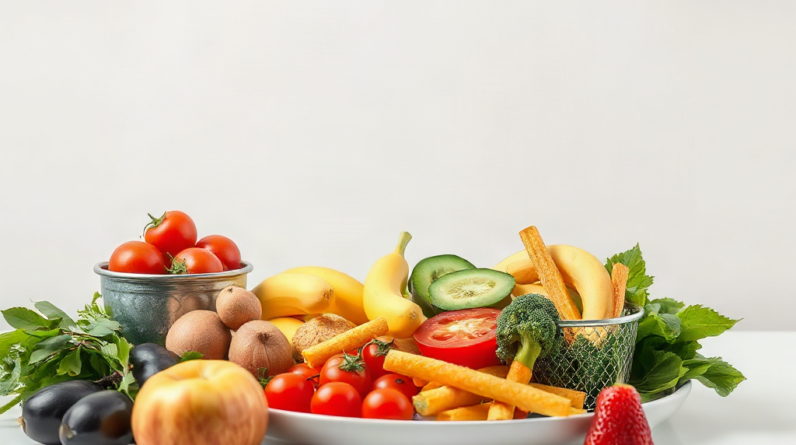
Incorporate a variety of fruits, vegetables, nuts, and seeds into your meals. Leafy greens, berries, and cruciferous vegetables like broccoli and Brussels sprouts are particularly beneficial due to their high nutrient content. Additionally, omega-3 fatty acids found in fatty fish and flaxseeds can support inflammation reduction.
One common mistake is relying solely on detox supplements instead of whole foods. Whole foods provide a complex array of nutrients that work synergistically to enhance detoxification. Focus on building meals around these foods to maximize their health benefits.
Physical Activity: Enhancing Detox Processes
Regular physical activity is essential for enhancing the body’s detoxification processes. Exercise promotes circulation, supports lymphatic drainage, and aids in the elimination of toxins through sweat.
Aim for at least 150 minutes of moderate-intensity exercise weekly. Activities like brisk walking, cycling, or swimming can significantly contribute to your detox goals. Incorporating strength training can also enhance muscle metabolism, further supporting detoxification.
Many people neglect the importance of movement in detoxification. Even simple activities like stretching or yoga can improve circulation and lymphatic flow. Prioritize finding enjoyable activities that encourage consistent movement, making it easier to maintain a regular exercise routine.
Good Health Solution is Easier Than Most People Think!
Take a Look for Yourself!
Mindful Eating Practices
Mindful eating is a powerful habit that can support detoxification efforts. This practice involves being fully present during meals, which can improve digestion and prevent overeating.
To cultivate mindful eating, focus on eating slowly, savoring each bite, and eliminating distractions during meals. This approach not only enhances enjoyment but also allows your body to recognize hunger and fullness cues more effectively.
Common pitfalls include multitasking while eating or consuming meals on the go, which can lead to overeating and digestive issues. Prioritize dedicated meal times to enhance your eating experience and support your body’s natural detoxification processes.
Further Reading
Authoritative Sources
- Detoxification: The Role of Water
ncbi.nlm.nih.govThis article provides insights into the importance of hydration in the detoxification process
- Nutritional Support for Detoxification
ncbi.nlm.nih.govExplore how nutrient-rich foods enhance the body's natural detox processes
- Physical Activity and Detoxification
ncbi.nlm.nih.govThis resource discusses the benefits of exercise on detoxification and overall health
Frequently Asked Questions
What are some easy daily detox habits?
Easy daily detox habits include drinking plenty of water, eating whole foods rich in nutrients, and engaging in regular physical activity.
How does hydration support detoxification?
Hydration helps flush out toxins through urine and supports kidney function, which is crucial for detoxification.
Can I rely on detox diets for effective detoxification?
Relying solely on detox diets can be ineffective; integrating whole foods and healthy habits is essential for sustainable detoxification.
What foods should I include in my detox diet?
Include a variety of fruits, vegetables, whole grains, nuts, and seeds to support detoxification.
How important is physical activity for detoxification?
Physical activity is vital as it promotes circulation, lymphatic drainage, and toxin elimination through sweat.

Good Health Solution is Easier Than Most People Think!
Take a Look for Yourself!