Understanding how toxins affect the body is crucial. Accumulation of toxins can lead to various health issues, including fatigue, digestive problems, and weakened immunity. To effectively remove toxins, it is essential to prioritize foods that support liver function, enhance digestion, and promote cellular health. Common mistakes include relying solely on detox diets for short-term results rather than adopting a sustainable, long-term approach.
Many people overlook the importance of daily habits in the detox process. Regular physical activity not only boosts metabolism but also promotes the elimination of toxins through sweating. Furthermore, adequate sleep is vital for the body’s repair mechanisms, which play a significant role in detoxification. By integrating these practices into your routine, you can maximize your body’s natural detox capabilities.
Nutrient-Dense Foods for Detoxification
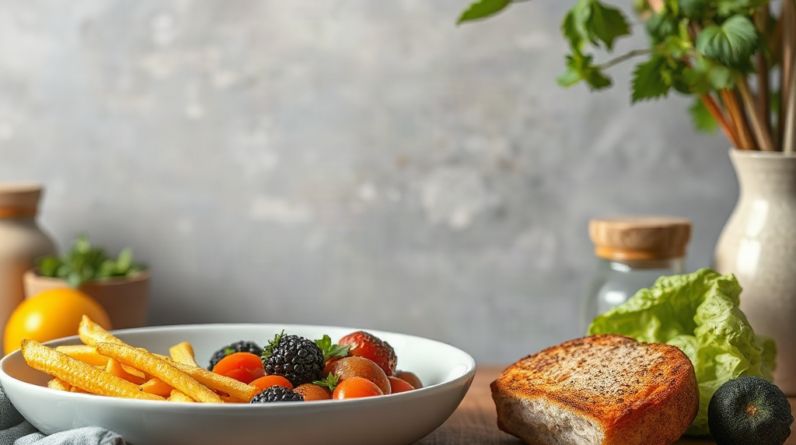
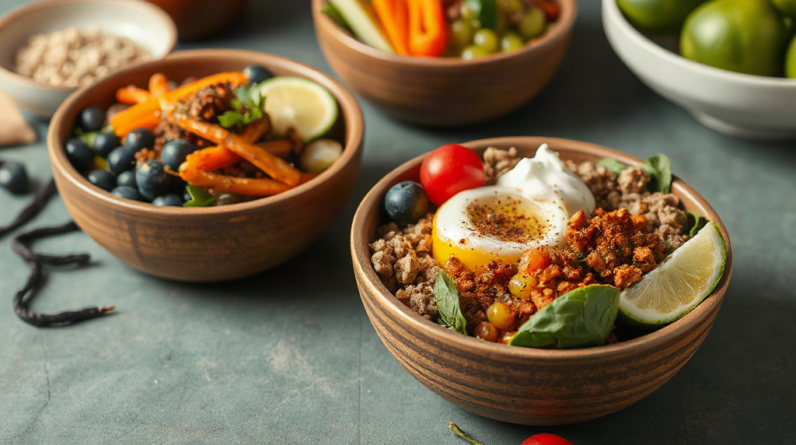
Incorporating nutrient-dense foods into your diet is a foundational step in removing toxins naturally. Foods rich in antioxidants, such as berries, leafy greens, and cruciferous vegetables, help combat oxidative stress and support liver function. These foods not only assist in neutralizing toxins but also promote overall health.
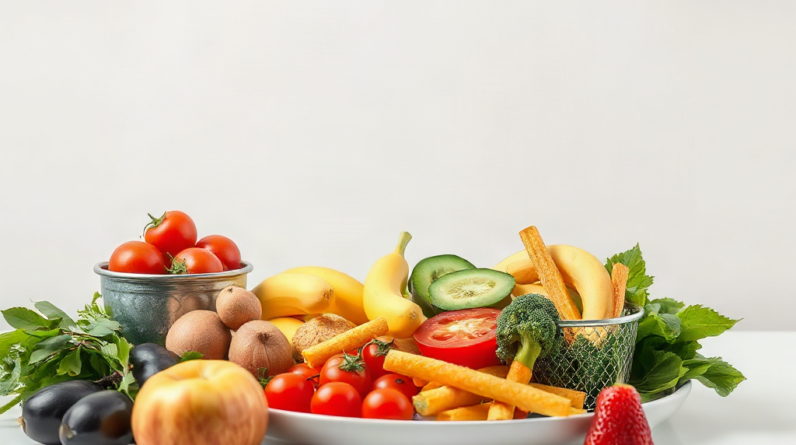
Focusing on a colorful plate can help ensure a broad spectrum of nutrients. For instance, beets and garlic are known for their liver-supporting properties, while lemons and apples aid in digestion and detoxification. A common mistake is failing to diversify your diet, which can limit nutrient intake and reduce detox efficiency.
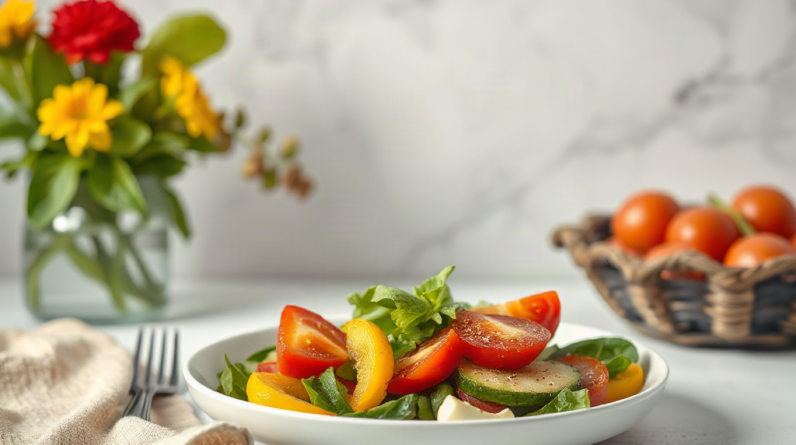
To maximize the benefits, consider incorporating a variety of these foods into daily meals. Smoothies, salads, and stir-fries can be excellent ways to pack in multiple detoxifying ingredients. Prioritize organic options when possible to minimize exposure to pesticides and other chemicals.
Hydration and Its Role in Detox
Hydration plays a critical role in the detoxification process. Water assists in flushing out toxins through urine and supports kidney function. Adequate hydration can also enhance digestion and promote healthy skin, which are essential for effective detoxification.
Many individuals underestimate their water intake needs. Aiming for at least eight 8-ounce glasses of water daily is a common guideline, but individual needs may vary based on activity level and climate. Additionally, consuming hydrating foods like cucumbers and watermelon can contribute to overall fluid intake.
To improve hydration, consider starting your day with a glass of water and carrying a reusable bottle throughout the day. Infusing water with fruits or herbs can also make hydration more enjoyable, encouraging you to drink more regularly.
Physical Activity and Toxin Removal
Regular physical activity is essential for supporting the body’s detoxification systems. Exercise promotes circulation, enhances lymphatic function, and encourages sweating, all of which contribute to toxin elimination. Engaging in aerobic exercise, strength training, or even yoga can be beneficial.
Many people mistakenly believe that intense workouts are the only way to achieve these benefits. However, even moderate activities like walking or stretching can significantly aid in detoxification. Prioritizing consistency over intensity is key to establishing a sustainable routine.
To incorporate more movement into your day, consider setting aside time for a daily walk or joining a local fitness class. Additionally, activities like dancing or gardening can provide enjoyable ways to stay active while supporting detoxification.
Good Health Solution is Easier Than Most People Think!
Take a Look for Yourself!
Lifestyle Practices to Enhance Detoxification
In addition to diet and exercise, specific lifestyle practices can enhance the body’s detoxification processes. Mindful breathing techniques, for example, can reduce stress and improve oxygen flow, which supports cellular health. Adequate sleep is also vital; during sleep, the body repairs itself and removes toxins more effectively.
Common mistakes include neglecting stress management and sleep hygiene, both of which can hinder detoxification efforts. Prioritizing relaxation techniques, such as meditation or gentle yoga, can significantly impact overall health and well-being.
To optimize your detox routine, aim for 7-9 hours of quality sleep each night and establish a calming bedtime routine. Limiting screen time before bed and creating a restful environment can further enhance sleep quality.
Further Reading
Authoritative Sources
- Nutrition and Detoxification
ncbi.nlm.nih.govThis resource provides insights into the role of nutrition in supporting detoxification processes
- Detox Diets: What to Know
healthline.comHealthline offers a comprehensive overview of detox diets, including their effectiveness and safety
- Debunking Detox Diet Myths
webmd.comThis article clarifies misconceptions about detox diets and provides practical advice for safe detoxification
Frequently Asked Questions
What are the best foods for detoxification?
Foods rich in antioxidants, such as berries, leafy greens, and cruciferous vegetables, are among the best for detoxification.
How much water should I drink for detox?
Aim for at least eight 8-ounce glasses of water daily, but individual needs may vary based on activity level and climate.
Can exercise help in detoxification?
Yes, regular physical activity promotes circulation, enhances lymphatic function, and encourages sweating, all of which aid in detoxification.
How does sleep affect detoxification?
Adequate sleep is critical for the body’s repair processes, allowing it to remove toxins more effectively during rest.
What lifestyle changes can enhance detoxification?
Incorporating mindful breathing, stress management techniques, and establishing a calming bedtime routine can enhance the detoxification process.
Conclusion
Removing toxins naturally requires a comprehensive approach that includes dietary choices, hydration, physical activity, and lifestyle practices. By prioritizing nutrient-dense foods, maintaining hydration, and integrating regular exercise, you can effectively support your body’s detoxification processes. Additionally, focusing on sleep and stress management will further enhance these efforts. Take small, consistent steps toward a healthier lifestyle, and you’ll see improvements in your overall well-being.

Good Health Solution is Easier Than Most People Think!
Take a Look for Yourself!