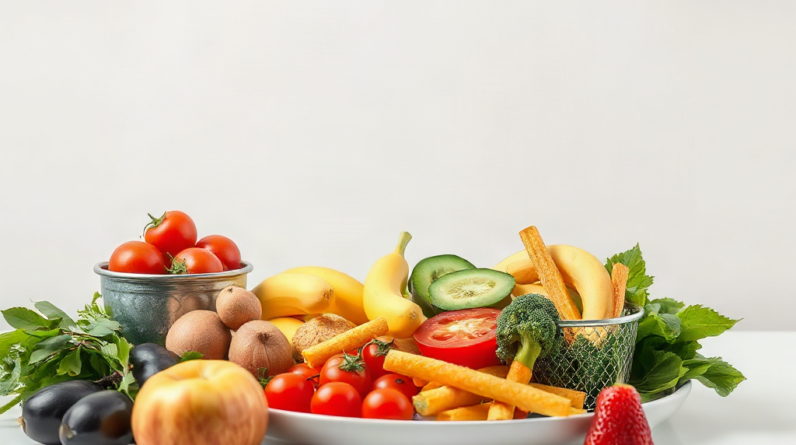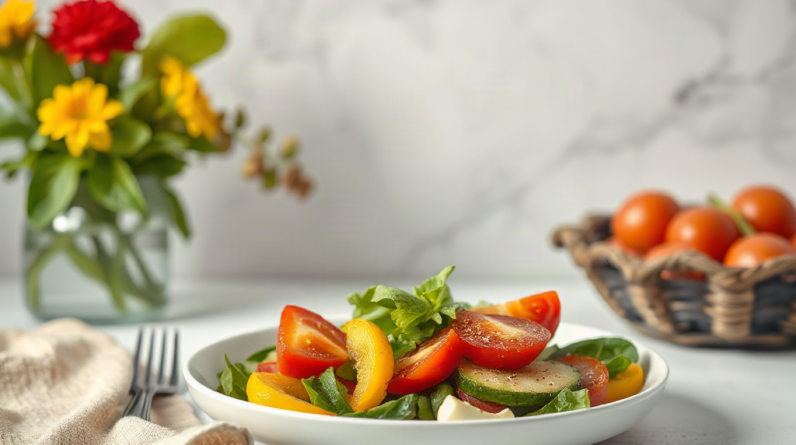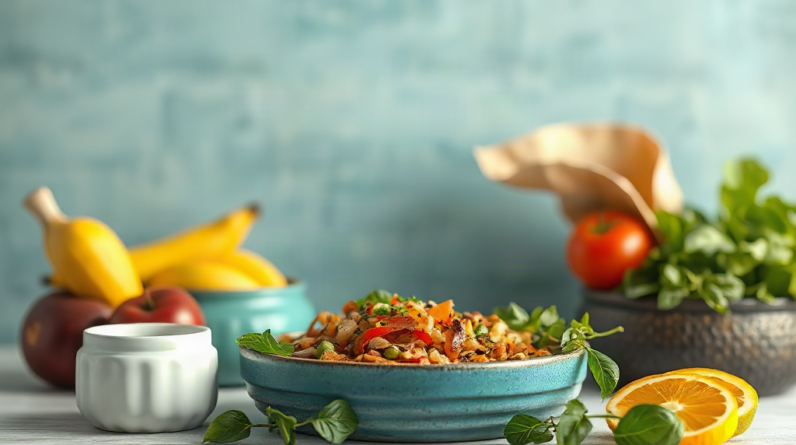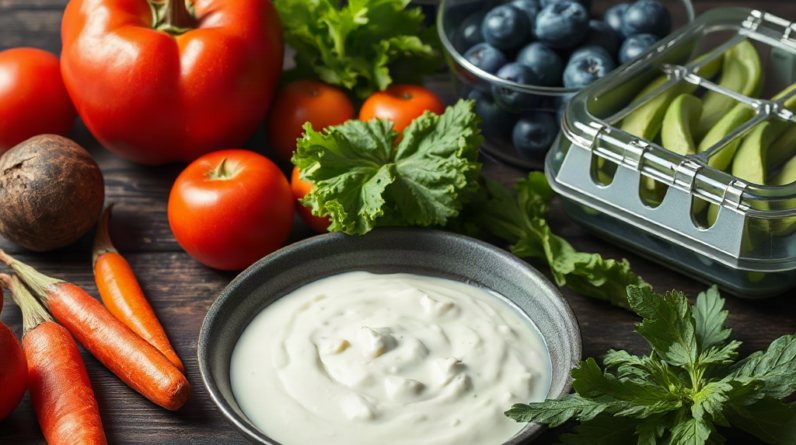
To achieve optimal results, it’s crucial to understand the role of various foods in detoxification. For instance, leafy greens like spinach and kale are rich in chlorophyll, which can help cleanse the liver. Additionally, foods high in antioxidants, such as berries and nuts, combat oxidative stress and support cellular health. Avoiding alcohol and caffeine during a detox period can also help your body focus on recovery and cleansing.
Many people make the mistake of relying solely on fad diets or detox products without considering the importance of a balanced approach. A successful detox should not be overly restrictive; instead, it should promote long-term healthy habits. Prioritize whole foods and gradual lifestyle changes for sustainable results. Remember that detoxification is a continuous process, and maintaining a healthy lifestyle is key to ongoing wellness.
Understanding Detoxification
Detoxification is the body’s natural process of eliminating toxins and waste products. The liver, kidneys, and skin play crucial roles in this process. Understanding how these organs function helps you make informed choices about your detoxification strategies. Supporting these organs through proper nutrition and hydration is essential for effective detox.
Many people overlook the importance of understanding their body’s needs during detox. It’s vital to recognize that detoxification is not a one-time event but a continuous process. Prioritizing a balanced diet rich in whole foods can support your body’s natural detox pathways. This understanding can help you make better choices and maintain your health in the long run.
It’s also important to be mindful of the environmental factors that contribute to toxin accumulation, such as pollution and chemicals in food. By being aware of these factors, you can take proactive steps to minimize exposure and support your body’s detoxification efforts.
Foods That Facilitate Detox
Incorporating specific foods into your diet can significantly enhance your detoxification process. Foods high in fiber, such as legumes, whole grains, and fruits, can help your digestive system eliminate waste efficiently. Additionally, cruciferous vegetables like broccoli and Brussels sprouts contain compounds that support liver detoxification.
Beyond fiber, hydration is essential for detox. Drinking plenty of water, herbal teas, and fresh juices can help flush toxins from your system. Consider including ingredients like lemon, ginger, and turmeric in your beverages, as they have natural detoxifying properties. These foods and drinks not only support detoxification but also provide essential nutrients that contribute to overall health.
Prioritize organic produce when possible to reduce exposure to pesticides and chemicals. Additionally, consider incorporating foods like garlic and beets, which have specific detoxifying properties. By focusing on these foods, you can create a supportive environment for your body’s natural detox processes.
Practical Steps for Effective Detox
Implementing practical steps can make your detox more effective. Start by setting realistic goals and gradually introducing changes to your diet and lifestyle. Begin with small adjustments, such as increasing your vegetable intake or reducing processed foods. This gradual approach can help you maintain these changes long-term.
In addition to dietary changes, consider incorporating regular physical activity into your routine. Exercise promotes circulation and helps your body eliminate toxins through sweat. Aim for at least 30 minutes of moderate exercise most days of the week. Furthermore, practices like yoga and meditation can help reduce stress, which is essential for effective detoxification.
Good Health Solution is Easier Than Most People Think!
Take a Look for Yourself!
Don’t forget the importance of sleep in the detox process. Quality sleep allows your body to repair and rejuvenate itself, enhancing overall detoxification. Prioritize sleep hygiene by establishing a regular sleep schedule and creating a restful environment.
Common Mistakes to Avoid
When embarking on a detox journey, many individuals fall into common traps that can hinder their success. One prevalent mistake is opting for extreme detox diets that are unsustainable and potentially harmful. Such diets can lead to nutrient deficiencies and may cause more harm than good.
Another mistake is neglecting hydration. Insufficient water intake can impair your body’s natural detox processes, leading to fatigue and other health issues. Always prioritize hydration by drinking water throughout the day and incorporating hydrating foods like cucumbers and watermelon into your diet.
Finally, it’s essential to avoid the misconception that detoxing is a quick fix for health issues. Detoxification should be viewed as part of a broader commitment to a healthy lifestyle. Emphasizing long-term habits over short-term solutions will yield better results.
Further Reading
Authoritative Sources
- MedlinePlus
medlineplus.govConsumer-friendly medical and health information from the U.S. National Library of Medicine.
- National Institutes of Health
nih.govResearch-based health information and links to authoritative medical resources.
- Centers for Disease Control and Prevention
cdc.govOfficial public health guidance, prevention resources, and topic-specific recommendations.
- Mayo Clinic
mayoclinic.orgTrusted clinical guidance, symptom explainers, and treatment overviews.
- World Health Organization
who.intGlobal health guidance, fact sheets, and evidence-based public health information.
Frequently Asked Questions
What are the best foods for detoxing?
Foods rich in fiber, antioxidants, and essential nutrients, such as leafy greens, cruciferous vegetables, berries, and whole grains, are excellent for detoxing.
How long should a detox last?
A detox can vary in duration, but a period of 3 to 7 days is often recommended for a safe and effective cleanse.
Can I detox without fasting?
Yes, detoxing can be achieved through dietary changes and lifestyle adjustments without the need for fasting.
Is detoxing safe for everyone?
While detoxing is generally safe for most people, those with certain health conditions should consult a healthcare professional before starting a detox regimen.
What is the best way to stay hydrated during detox?
Drink plenty of water, herbal teas, and include hydrating foods like fruits and vegetables in your diet to stay hydrated during detox.
Conclusion
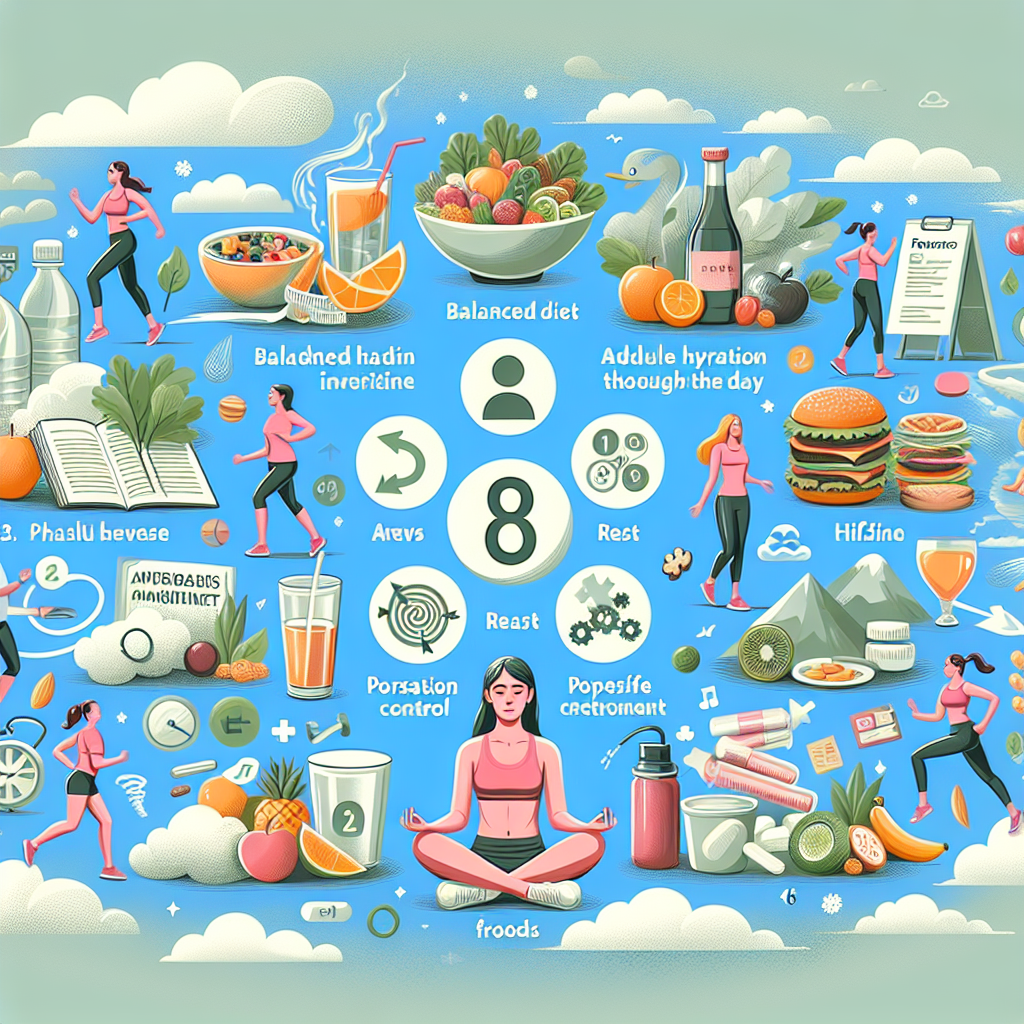
In summary, effective detoxification involves a balanced approach that prioritizes whole foods, hydration, and sustainable lifestyle changes. By focusing on nutrient-rich foods and avoiding common mistakes, you can support your body’s natural detox processes. Remember that detox is not a quick fix but a continuous commitment to health. Start with small, manageable changes and build upon them for lasting wellness.
Good Health Solution is Easier Than Most People Think!
Take a Look for Yourself!