Understanding how toxins accumulate in the body is essential for effective detoxification. Common sources include environmental pollutants, processed foods, and even stress. By prioritizing whole, nutrient-dense foods, you can support your liver, kidneys, and digestive system in their natural detoxifying functions. It’s crucial to recognize that a detox should not be about extreme dieting but rather about fostering sustainable habits that enhance your overall well-being.
A common mistake many make is to expect immediate results or to resort to fad detoxes that may do more harm than good. Instead, focus on gradual, consistent changes in your diet and lifestyle. This approach will not only help your body detoxify but also improve your long-term health and energy levels.
Detoxifying Foods: What to Eat
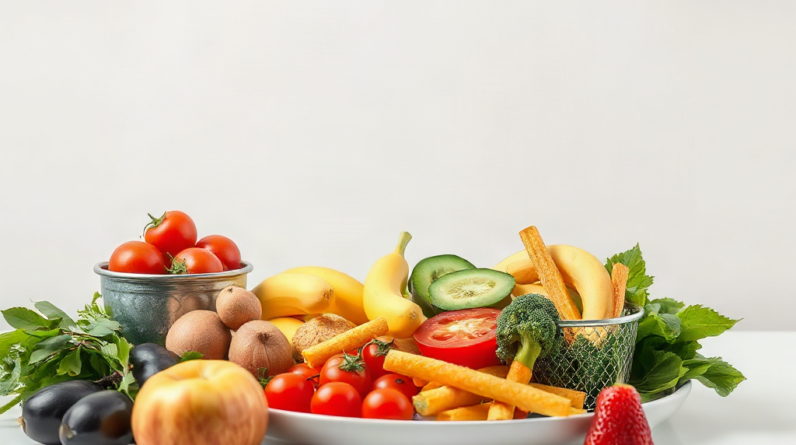
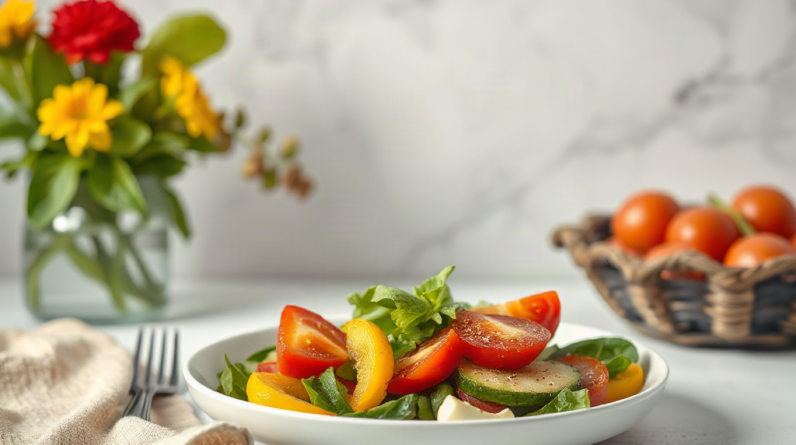
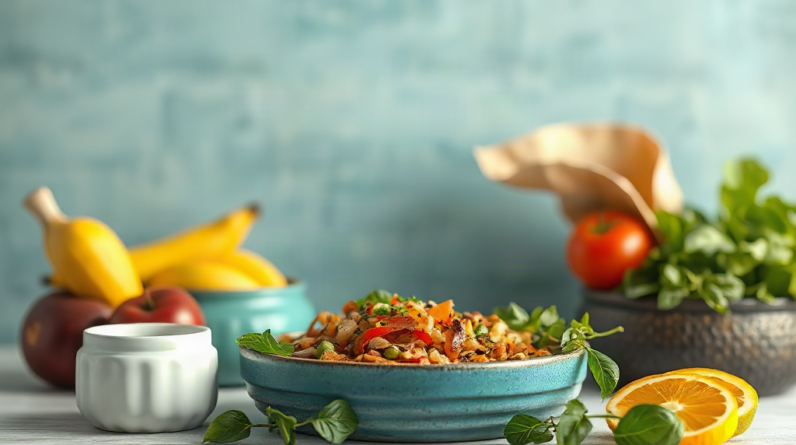
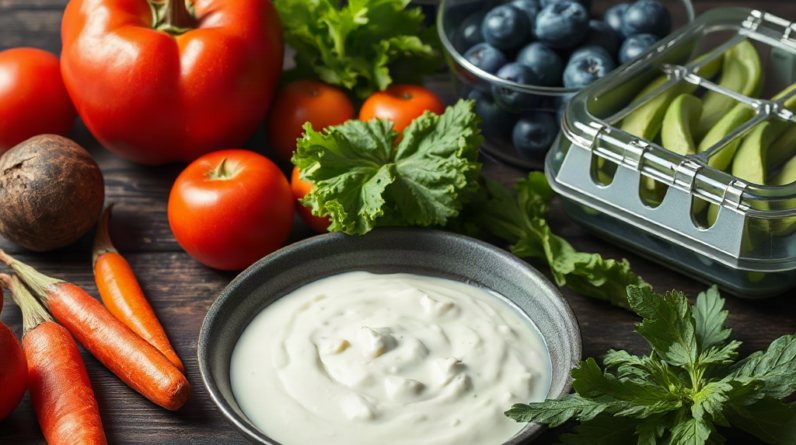
Incorporating specific detoxifying foods into your diet can significantly enhance your body’s natural cleansing processes. Foods rich in antioxidants, vitamins, and minerals support liver function, boost metabolism, and aid digestion. Some of the most effective detoxifying foods include:
- Leafy Greens: Spinach, kale, and arugula are packed with chlorophyll, which helps eliminate toxins.
- Citrus Fruits: Lemons and oranges boost liver function and promote hydration.
- Beets: Known for their ability to support liver detoxification and improve blood flow.
- Garlic: Contains compounds that activate liver enzymes responsible for flushing out toxins.
When integrating these foods into your diet, prioritize organic sources whenever possible to minimize exposure to pesticides and other chemicals. Additionally, focus on variety to ensure a broad spectrum of nutrients that support detoxification.
Many people overlook the importance of meal timing and portion sizes when detoxing. Consuming smaller, more frequent meals can help maintain energy levels and support digestive health, making the detox process smoother.
Hydration: The Key to Effective Detox
Staying hydrated is crucial for detoxification. Water helps flush out toxins through urine and sweat, supports digestion, and maintains overall bodily functions. Aim for at least eight 8-ounce glasses of water daily, but adjust based on your activity level and climate.
Incorporating herbal teas, such as dandelion or green tea, can further enhance detoxification. These teas not only provide hydration but also contain antioxidants that support liver function. Additionally, consider adding lemon or cucumber to your water for added flavor and detox benefits.
A common mistake is to underestimate the role of hydration in detoxification. Many people may overlook drinking enough water or rely solely on juices, which can be high in sugar. Balance your fluid intake with pure water while including hydrating foods like cucumbers and watermelon.
Lifestyle Changes for Natural Detox
Beyond diet, lifestyle changes play a significant role in detoxification. Regular physical activity helps stimulate circulation, promotes sweating, and enhances overall metabolic functions. Aim for at least 30 minutes of moderate exercise most days of the week.
Incorporating practices such as yoga, meditation, or deep breathing can also support detoxification by reducing stress, which is known to contribute to toxin buildup in the body. These practices help improve mental clarity and emotional well-being, which are essential during the detox process.
Good Health Solution is Easier Than Most People Think!
Take a Look for Yourself!
People often overlook the importance of sleep in detoxification. Quality sleep allows the body to repair and rejuvenate, further aiding the detox process. Aim for 7-9 hours of quality sleep each night, and establish a calming bedtime routine to support restful sleep.
Further Reading
Authoritative Sources
- Detoxification: A Review of the Literature
ncbi.nlm.nih.govThis article reviews various detoxification methods and their efficacy
- What Is a Detox Diet?
healthline.comThis resource explains the principles and practices of detox diets
- Detox Diets: A Critical Review
mayoclinic.orgA critical examination of detox diets and their potential benefits and risks
Frequently Asked Questions
What are the best foods for detoxing?
The best foods for detoxing include leafy greens, citrus fruits, beets, garlic, and berries, as they are rich in nutrients that support liver function and overall health.
How much water should I drink while detoxing?
Aim for at least eight 8-ounce glasses of water daily, adjusting based on your activity level and climate, to support effective detoxification.
Can I detox without changing my diet?
While dietary changes enhance detoxification, incorporating hydration, exercise, and stress management can also support the detox process.
How long should a detox last?
A detox can last anywhere from a few days to several weeks, but it’s important to focus on sustainable lifestyle changes rather than temporary fixes.
Are detox diets safe?
Most detox diets are safe when they emphasize whole foods and hydration, but extreme fasting or restrictive diets can be harmful and should be approached with caution.
Conclusion
Detoxing your body naturally is a holistic process that requires a thoughtful approach to diet and lifestyle. By prioritizing detoxifying foods, staying hydrated, and incorporating regular physical activity, you can effectively support your body’s natural detoxification processes. Remember to focus on sustainable changes rather than quick fixes, and always listen to your body’s needs. By doing so, you can enhance your overall health and well-being while successfully detoxifying your body.
Good Health Solution is Easier Than Most People Think!
Take a Look for Yourself!