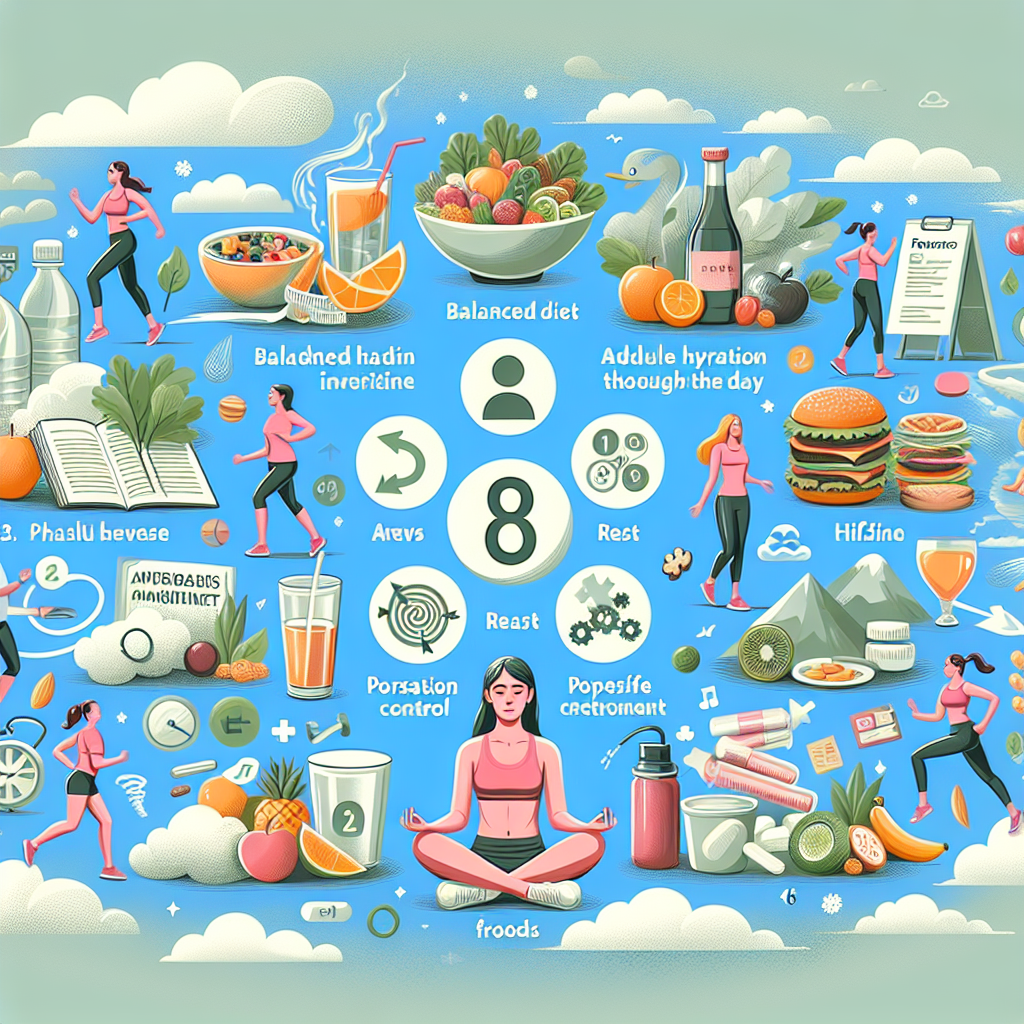
Understanding the importance of these habits is crucial. Many individuals overlook the role of consistent sleep patterns and hydration in maintaining energy. For instance, inadequate sleep can lead to fatigue and decreased productivity, whereas proper hydration supports bodily functions and enhances mental clarity. Additionally, a diet lacking essential nutrients can result in sluggishness, making it imperative to focus on food choices that fuel your body.
The Role of Sleep in Energy Levels
Quality sleep is a cornerstone of energy management. Sleep allows the body to recover and rejuvenate, impacting cognitive function and mood. Insufficient sleep can lead to chronic fatigue and impair daily functioning. To improve sleep quality, establish a consistent sleep schedule, create a restful environment, and limit screen time before bed.
Many people underestimate the effects of sleep deprivation. Research shows that even a few nights of poor sleep can lead to significant decreases in alertness and performance. Prioritizing sleep hygiene can counteract this. Techniques such as limiting caffeine intake in the afternoon and engaging in relaxation practices before bed can enhance sleep quality.
Nutrition: Fueling Your Body for Energy
A balanced diet is vital for sustaining energy levels throughout the day. Foods rich in complex carbohydrates, proteins, and healthy fats provide lasting energy. Incorporating fruits, vegetables, whole grains, and lean proteins into your meals can prevent energy crashes and enhance overall health.
Many individuals rely on quick-fix snacks that lead to temporary boosts followed by sharp declines in energy. Instead, focus on nutrient-dense options. For example, nuts and seeds offer healthy fats and protein, while whole grains provide steady energy release. Meal planning can help ensure you have these energy-boosting foods readily available.
Physical Activity and Its Impact on Energy
Regular physical activity is essential for increasing and maintaining energy levels. Exercise stimulates circulation and can lead to improved mood and stamina. Even short bursts of activity throughout the day can invigorate and refresh your mind.
However, many people mistakenly believe that exercise will drain their energy. In reality, moderate exercise can enhance vitality. Incorporating walking, stretching, or brief workouts into your daily routine can create a positive feedback loop of increased energy and motivation.
Good Health Solution is Easier Than Most People Think!
Take a Look for Yourself!
Stress Management Techniques
Managing stress effectively is crucial for maintaining energy. High stress levels can lead to fatigue and burnout, making it essential to incorporate relaxation techniques into your daily routine. Practices such as mindfulness, meditation, or even simple deep-breathing exercises can help mitigate stress and enhance energy levels.
Individuals often overlook the cumulative effects of stress on their energy. Regularly engaging in stress-reducing activities can improve mental clarity and emotional resilience. Finding time for hobbies, connecting with loved ones, or spending time in nature can all contribute to better stress management.
Further Reading
Authoritative Sources
- MedlinePlus
medlineplus.govConsumer-friendly medical and health information from the U.S. National Library of Medicine.
- National Institutes of Health
nih.govResearch-based health information and links to authoritative medical resources.
- Centers for Disease Control and Prevention
cdc.govOfficial public health guidance, prevention resources, and topic-specific recommendations.
- Mayo Clinic
mayoclinic.orgTrusted clinical guidance, symptom explainers, and treatment overviews.
- World Health Organization
who.intGlobal health guidance, fact sheets, and evidence-based public health information.
Frequently Asked Questions
What are the best foods to boost energy?
Foods high in complex carbohydrates, proteins, and healthy fats, such as whole grains, nuts, and legumes, are excellent for sustained energy.
How much sleep do I need for optimal energy?
Most adults require between 7 to 9 hours of quality sleep per night for optimal energy and health.
Can exercise really increase energy levels?
Yes, regular physical activity boosts energy levels by improving circulation and releasing endorphins, which enhance mood and stamina.
What role does hydration play in energy?
Staying hydrated is essential for maintaining energy levels, as dehydration can lead to fatigue and decreased cognitive performance.
How can I manage stress to maintain energy?
Incorporating relaxation techniques such as mindfulness, meditation, or deep-breathing exercises can help manage stress and enhance energy.
Conclusion
Implementing daily habits that prioritize sleep, nutrition, physical activity, and stress management can significantly enhance your energy levels. Focus on creating a balanced routine that incorporates these elements to ensure sustained vitality. Start with small adjustments, such as improving your sleep environment or planning nutritious meals, and gradually build on these habits for long-lasting energy improvements.

Good Health Solution is Easier Than Most People Think!
Take a Look for Yourself!