Improving your diet naturally involves a holistic approach that prioritizes whole foods and mindful eating habits. The goal is not just to eliminate unhealthy foods, but to build a foundation of nutritious options that nourish your body. This means choosing fresh fruits and vegetables, whole grains, lean proteins, and healthy fats while steering clear of processed items laden with additives and sugars. By making small, sustainable changes, you can enhance your health and well-being without the need for drastic measures or fad diets.
Many people fall into the trap of quick fixes or extreme dietary restrictions, which often lead to frustration and failure. Instead, it’s crucial to recognize that improving your diet is a long-term journey that requires patience and understanding of your unique needs. Common mistakes include focusing solely on calorie counting or getting caught up in the latest diet trends without considering their sustainability. Prioritizing nutrient-dense foods and listening to your body’s signals will yield better results over time.
Understanding Whole Foods
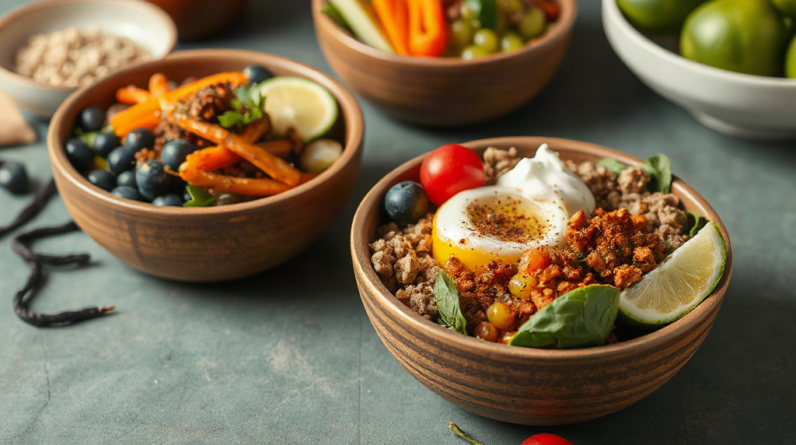
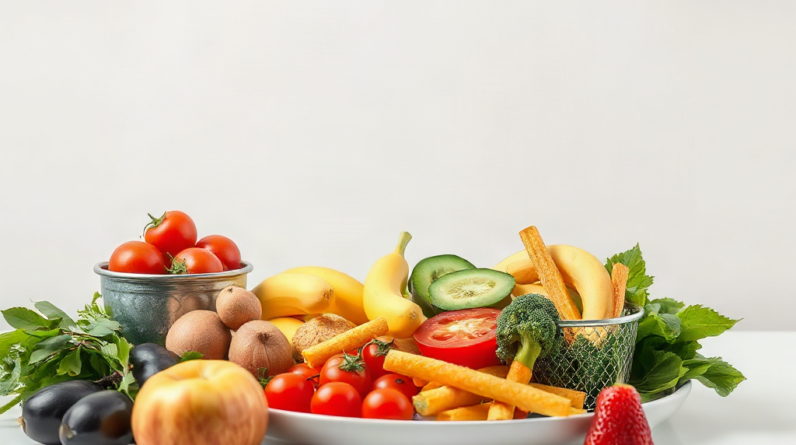
Whole foods are minimally processed and free from artificial ingredients, making them the cornerstone of a natural diet. Incorporating a variety of fruits, vegetables, whole grains, nuts, and seeds ensures that your body receives essential vitamins and minerals. These foods not only provide energy but also support immune function and overall health.
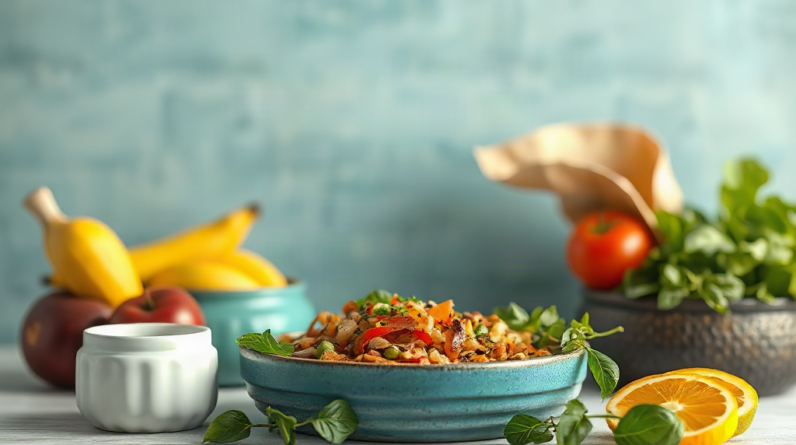
However, the challenge lies in making whole foods appealing and accessible in a fast-paced world. Often, convenience leads individuals to opt for processed alternatives. To overcome this, consider meal prepping or creating simple recipes that highlight whole ingredients. For example, a stir-fry with seasonal vegetables and lean protein can be both quick and nutritious.
The Importance of Balance
A balanced diet consists of macronutrients—carbohydrates, proteins, and fats—in the right proportions. Each macronutrient plays a vital role in bodily functions, and neglecting any can lead to deficiencies. For instance, carbohydrates provide energy, proteins support muscle repair, and healthy fats are crucial for brain health.
Many individuals mistakenly eliminate entire food groups in an effort to improve their diet. Instead, focus on balance and moderation. Prioritize quality over quantity; choose whole grains over refined options, and select lean meats or plant-based proteins. This balanced approach not only enhances energy levels but also promotes satiety, reducing the likelihood of overeating.
Hydration and Its Role
Water is often overlooked in discussions about nutrition, yet it is essential for digestion, nutrient absorption, and overall health. Staying adequately hydrated can improve energy levels, cognitive function, and even mood. Aim to drink water throughout the day, and consider incorporating hydrating foods like cucumbers, oranges, and watermelon.
However, many people struggle to drink enough water, especially when busy. A practical tip is to carry a reusable water bottle and set reminders to take sips regularly. Additionally, understand that hydration needs can vary based on activity level, climate, and individual health conditions, so listen to your body and adjust accordingly.
Good Health Solution is Easier Than Most People Think!
Take a Look for Yourself!
Mindful Eating Practices
Mindful eating involves paying attention to the eating experience, from the flavors and textures of food to the feelings of hunger and fullness. This practice can help you develop a healthier relationship with food and recognize emotional triggers that lead to overeating. By slowing down and savoring each bite, you can enhance your satisfaction with meals and reduce the urge to snack mindlessly.
To implement mindful eating, try setting aside distractions during meals, such as phones or television. Focus on your food and chew slowly, allowing your body to signal when it’s satisfied. This approach not only improves digestion but also fosters a greater appreciation for the food you consume.
Further Reading
For those looking to deepen their understanding of natural nutrition, resources from reputable health organizations can provide valuable insights. Consider exploring dietary guidelines from the USDA MyPlate for practical tips on balanced eating.
Further Reading
Authoritative Sources
- Ready.gov
ready.govOfficial U.S. preparedness guidance, checklists, and planning resources for households and emergencies.
- FEMA
fema.govFederal emergency management resources, disaster planning information, and recovery guidance.
- American Red Cross Emergency Preparedness
redcross.orgPractical emergency preparation steps, supply lists, and safety guidance for families.
- National Weather Service
weather.govOfficial forecasts, hazard alerts, and weather safety information.
- CDC Emergency Preparedness and Response
cdc.govPublic health guidance for emergencies, disasters, and recovery situations.
Frequently Asked Questions
What are the best foods to include in a natural diet?
Focus on whole foods like fruits, vegetables, whole grains, lean proteins, and healthy fats.
How can I make my diet changes sustainable?
Start with small, manageable changes and gradually incorporate more nutritious options over time.
What role does hydration play in improving diet?
Staying hydrated is crucial for digestion and nutrient absorption; aim to drink plenty of water throughout the day.
How can I practice mindful eating?
Eat slowly, eliminate distractions, and focus on the flavors and textures of your food to enhance satisfaction.
What are common mistakes when trying to improve diet?
Common pitfalls include eliminating food groups, relying on fad diets, and not recognizing emotional eating triggers.
Conclusion
Improving your diet naturally is a journey that requires intention and understanding of your body’s needs. By focusing on whole foods, achieving a balanced intake of macronutrients, staying hydrated, and practicing mindful eating, you can create sustainable habits that enhance your health. Remember, small changes lead to lasting results, so start today by incorporating one new healthy habit into your routine.

Good Health Solution is Easier Than Most People Think!
Take a Look for Yourself!