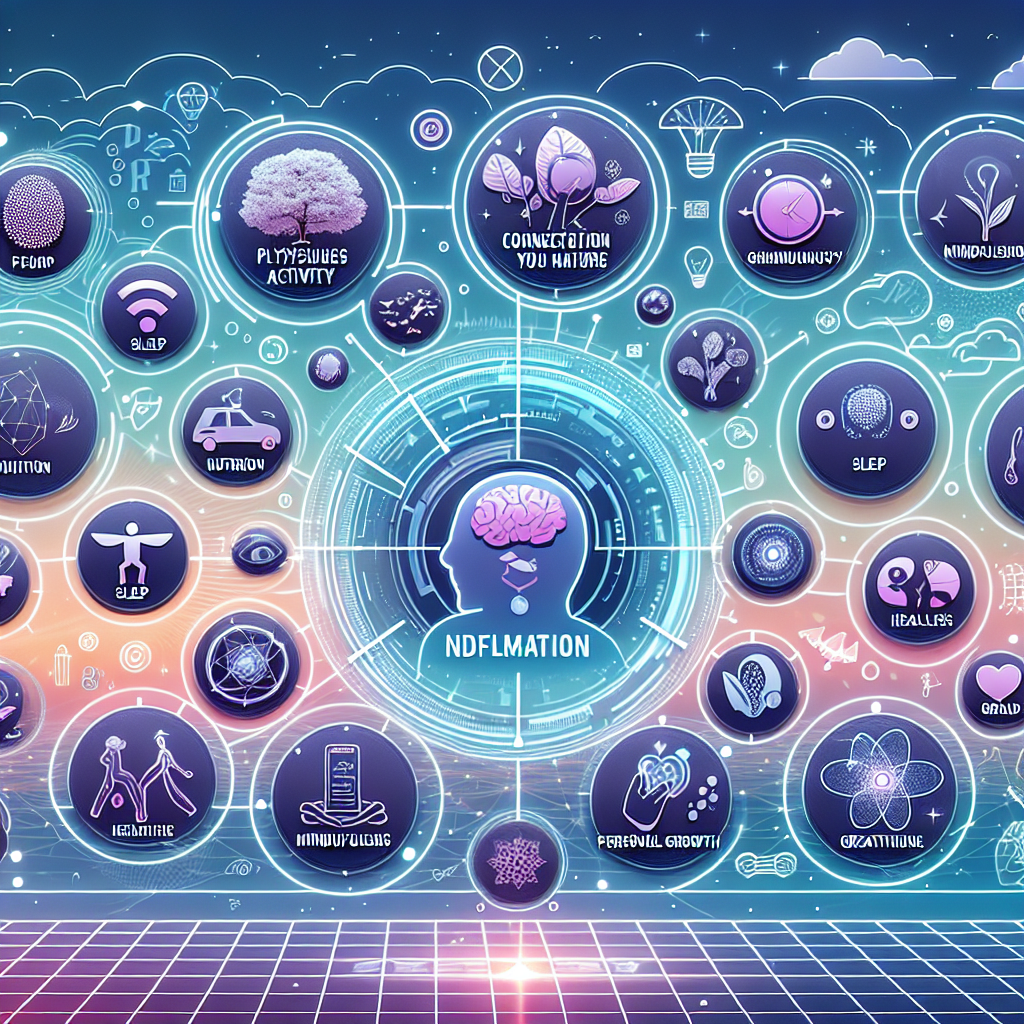
Making easy healthy lifestyle changes is an effective way to enhance your well-being without overwhelming yourself. By focusing on small, manageable adjustments rather than drastic overhauls, you can create sustainable habits that contribute to better health over time. These changes can be as simple as incorporating more fruits and vegetables into your diet or finding creative ways to stay active throughout the day.
Many individuals struggle with maintaining healthy habits due to the misconception that significant, immediate changes are necessary for improvement. This mindset often leads to frustration and burnout, as people may set unrealistic goals or feel discouraged by the lack of instant results. Instead, consider a gradual approach that prioritizes consistency over intensity. Recognizing that health is a long-term journey can help you stay motivated and engaged.
Choosing Nutrient-Dense Foods
One of the most impactful lifestyle changes you can make is to focus on nutrient-dense foods. This means prioritizing whole, unprocessed foods that provide essential vitamins, minerals, and other nutrients without excessive calories. Foods like leafy greens, lean proteins, whole grains, and healthy fats should form the foundation of your diet.
Many people fall into the trap of convenience, opting for fast food or processed snacks that may be cheaper or easier to obtain. However, these choices often lead to poor health outcomes over time. To make sustainable changes, plan your meals around whole foods, and consider batch cooking to save time during busy weeks. Remember, it’s not about perfection but about making better choices consistently.
Incorporating Physical Activity
Regular physical activity is crucial for maintaining a healthy lifestyle. However, the idea of committing to an intense workout routine can be intimidating. Instead, focus on integrating movement into your daily life. This could involve taking short walks during breaks, using the stairs instead of the elevator, or engaging in activities you enjoy like dancing or gardening.
Many people mistakenly believe that they need to spend hours at the gym to see results. In reality, finding enjoyable ways to stay active can lead to better adherence and long-term success. Aim for at least 150 minutes of moderate-intensity aerobic activity each week, and remember to include strength training exercises at least twice a week.
Prioritizing Sleep and Recovery
Often overlooked, sleep plays a vital role in overall health. Quality sleep is essential for recovery, mental clarity, and emotional well-being. Aim for 7-9 hours of sleep per night, and establish a consistent sleep schedule to improve your sleep quality.
Many individuals underestimate the impact of poor sleep on their health. Inadequate rest can lead to increased stress, poor decision-making, and even weight gain. To prioritize sleep, create a calming bedtime routine, limit screen time before bed, and ensure your sleep environment is conducive to rest.
Good Health Solution is Easier Than Most People Think!
Take a Look for Yourself!
Mindfulness and Mental Health
Incorporating mindfulness practices into your daily routine can significantly enhance your mental well-being. Simple techniques, such as meditation, deep breathing exercises, or even mindful eating, can help reduce stress and improve your overall outlook on life.
Many people neglect their mental health while focusing on physical changes. However, mental and physical health are interconnected. By taking time to practice mindfulness, you can cultivate a more positive mindset, leading to better decision-making regarding your health choices. Consider setting aside a few minutes each day to practice mindfulness and reflect on your thoughts and feelings.
Further Reading
While this article provides a comprehensive overview of easy healthy lifestyle changes, exploring additional resources can further enhance your understanding and implementation of these strategies. Look for reputable sources that offer practical guidance on nutrition, exercise, and mental health.
Further Reading
Authoritative Sources
- MedlinePlus
medlineplus.govConsumer-friendly medical and health information from the U.S. National Library of Medicine.
- National Institutes of Health
nih.govResearch-based health information and links to authoritative medical resources.
- Centers for Disease Control and Prevention
cdc.govOfficial public health guidance, prevention resources, and topic-specific recommendations.
- Mayo Clinic
mayoclinic.orgTrusted clinical guidance, symptom explainers, and treatment overviews.
- World Health Organization
who.intGlobal health guidance, fact sheets, and evidence-based public health information.
Frequently Asked Questions
What are some easy healthy lifestyle changes I can start today?
Start by adding more fruits and vegetables to your meals, drinking more water, and incorporating short walks into your day. These small changes can have a significant impact on your health.
How can I maintain motivation for lifestyle changes?
Set achievable goals, track your progress, and celebrate small victories. Surround yourself with supportive friends or join a community focused on similar health objectives.
Is it necessary to completely eliminate unhealthy foods?
No, moderation is key. Instead of eliminating unhealthy foods, try to limit their intake and focus on incorporating more whole foods into your diet.
What role does sleep play in a healthy lifestyle?
Quality sleep is essential for recovery, mental clarity, and emotional stability. Prioritizing sleep can improve your overall health and well-being.
Can mindfulness practices really make a difference?
Yes, mindfulness can reduce stress, improve focus, and enhance emotional health. Regular mindfulness practices can lead to better decision-making regarding your health.
Conclusion
In summary, adopting easy healthy lifestyle changes doesn’t have to be overwhelming. By focusing on small, consistent adjustments, such as choosing nutrient-dense foods, incorporating physical activity, prioritizing sleep, and practicing mindfulness, you can create lasting improvements in your health. Remember that the journey to better health is a marathon, not a sprint. Take your time, be patient with yourself, and celebrate your progress along the way.

Good Health Solution is Easier Than Most People Think!
Take a Look for Yourself!