Dietary habits are the cornerstone of our overall wellness. Understanding how to follow a healthy diet is essential for anyone looking to enhance their physical health, improve mental well-being, and establish sustainable lifestyle changes. The reality is that a healthy diet can significantly reduce the risk of chronic diseases, promote weight management, and boost energy levels. But, how do we navigate the overwhelming amount of information available?
Whether you’re just starting your journey or looking to refine your existing habits, knowing how to follow a healthy diet involves understanding not just what to eat, but also how to approach food in a balanced and mindful manner. This article will guide you through practical strategies, insightful tips, and the science behind healthy eating, ensuring that you are well-equipped for a lifetime of wellness.
Understanding the Basics of a Healthy Diet
To embark on your journey of wellness, it is crucial to grasp the fundamental principles of a healthy diet. This section will break down the essential components that contribute to a balanced eating plan.
Key Components of a Healthy Diet
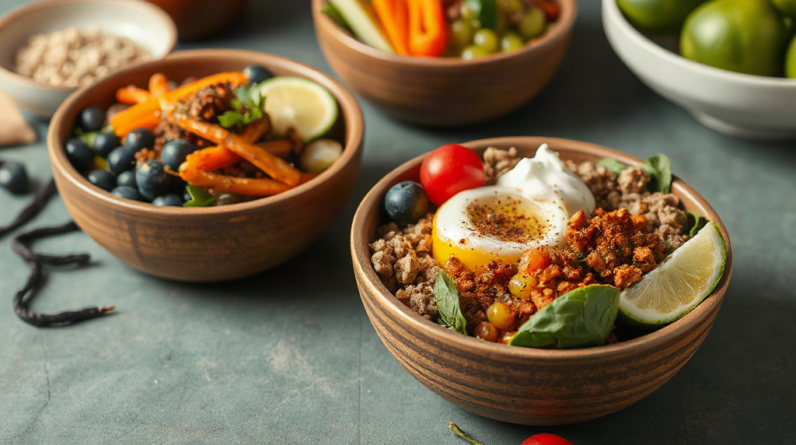
1. Fruits and Vegetables: Aim for a variety of colors and types to ensure a range of nutrients.
2. Whole Grains: Incorporate options like brown rice, quinoa, and whole-wheat bread for fiber and energy.
3. Protein Sources: Opt for lean meats, fish, legumes, and plant-based proteins to support muscle health.
4. Healthy Fats: Include sources such as avocados, nuts, and olive oil while limiting saturated fats.
5. Hydration: Drinking adequate water is vital for overall health and helps maintain bodily functions.
Understanding these components is the first step in learning how to follow a healthy diet. Each food group has its role, contributing to your body’s nutritional needs.
The Importance of Portion Control
Portion sizes can dramatically affect your caloric intake. Here are some strategies to consider:
– Use smaller plates to help control serving sizes.
– Be mindful of hunger cues; eat until you are satisfied, not stuffed.
– Read food labels to understand serving sizes and nutritional content.
By practicing portion control, you can maintain a balanced caloric intake while still enjoying your favorite foods. This is a crucial aspect of how to follow a healthy diet that many overlook.
How to Follow a Healthy Diet: Practical Steps
Now that you understand the basics, let’s delve into practical steps to implement a healthy diet in your daily life.
Meal Planning and Preparation
Creating a plan can simplify your dietary choices. Here’s how to get started:
1. Set a Weekly Schedule: Dedicate a specific day to plan your meals for the week.
2. Make a Grocery List: List ingredients needed for meals to avoid impulse buying.
3. Prep Meals in Advance: Cook in batches and store meals for quick access during busy days.
By incorporating meal planning into your routine, you enhance your ability to stick to your dietary goals. This is a key component of learning how to follow a healthy diet. With preparation, you eliminate the stress of last-minute decisions that often lead to unhealthy choices.
Mindful Eating Practices
Mindful eating is a powerful concept that can help you connect with your food. Consider the following tips:
– Eat Slowly: Take time to savor each bite, which can improve digestion and satisfaction.
– Limit Distractions: Try to eat without screens or multitasking to truly enjoy your meal.
– Listen to Your Body: Pay attention to when you feel hungry or full, and adjust your eating habits accordingly.
Mindful eating not only enhances your enjoyment of food but also plays a significant role in how to follow a healthy diet effectively. By fostering a deeper connection with your meals, you become more aware of your nutritional choices.
The Role of Nutrition in Lifelong Wellness
Nutrition is a dynamic aspect of health that evolves throughout our lives. Understanding the role of nutrition can empower you to make informed choices.
Impact on Physical Health
A balanced diet supports physical health by:
– Reducing the risk of chronic diseases such as diabetes and heart disease.
– Supporting a healthy weight, which is vital for overall wellness.
– Enhancing energy levels to improve daily activities and exercise.
By focusing on nutrition, one can significantly enhance quality of life, demonstrating the importance of how to follow a healthy diet for both short-term and long-term health benefits.
Mental and Emotional Well-being
Food also influences mental health. Research has shown that:
– Nutrient-rich foods can improve mood and cognitive function.
– Omega-3 fatty acids, found in fish, are linked to lower rates of depression.
– A balanced diet can lead to better sleep patterns, which are crucial for emotional stability.
By nurturing your body with a healthy diet, you’re not just feeding your physical self but also supporting your mental health. This holistic approach is essential for understanding <a href="#INTERNAL_LINK_how to follow a healthy diet.
Overcoming Challenges in Healthy Eating
Despite our best intentions, challenges in maintaining a healthy diet are common. Here’s how to navigate those obstacles.
Common Barriers to Healthy Eating
1. Time Constraints: Busy schedules can make it difficult to prepare healthy meals.
2. Limited Access to Fresh Produce: Geographic or economic barriers can limit food choices.
3. Social Influences: Dining out or social gatherings may present temptations.
Each of these barriers can be addressed with strategic planning and a positive mindset. For example, consider preparing meals in advance to save time during busy weeks. Understanding these challenges can be crucial in learning how to follow a healthy diet effectively.
Staying Motivated
Maintaining motivation requires effort. Here are some tips to keep you on track:
– Set Realistic Goals: Start small and gradually build on your successes.
– Track Progress: Keep a food journal or use apps to monitor your dietary habits.
– Find Support: Engage with friends, family, or online communities focused on healthy eating.
By staying motivated and proactive, you can overcome the challenges associated with implementing a healthy diet, ensuring that your journey toward wellness remains on course.
References and Resources
These resources provide valuable information about how to follow a healthy diet. Check them out for additional insights:
Frequently Asked Questions
What are the essential components of a healthy diet?
The essential components of a healthy diet include a variety of fruits and vegetables, whole grains, lean proteins, healthy fats, and proper hydration. Balancing these elements is crucial for overall health and well-being.
How can I learn how to follow a healthy diet effectively?
To effectively learn how to follow a healthy diet, start with education on nutrition basics, meal planning, and portion control. Seek guidance from reliable sources and consider consulting with a registered dietitian for personalized advice.
What challenges might I face while trying to follow a healthy diet?
Common challenges include time constraints, accessibility to fresh produce, and social influences that can lead to unhealthy choices. Being proactive and planning ahead can help mitigate these issues.
How does a healthy diet impact mental health?
A healthy diet can greatly influence mental health by improving mood, cognitive function, and overall emotional well-being. Nutrient-dense foods provide essential vitamins and minerals that support brain health.
Can you provide tips on meal planning to follow a healthy diet?
Effective meal planning tips include setting a weekly schedule, making a grocery list, and prepping meals in advance. These strategies can save time and ensure healthy options are readily available.
Conclusion
Understanding how to follow a healthy diet is a journey that involves continuous learning and adaptation. By embracing the principles outlined in this article, such as meal planning, mindful eating, and recognizing the impact of nutrition on your overall health, you can create a sustainable and fulfilling dietary lifestyle.
As you embark on this journey towards lifelong wellness, remember that every small step counts. Make informed choices, stay motivated, and prioritize your health. The path to wellness is yours to shape, and with the right tools and mindset, you can successfully navigate how to follow a healthy diet for years to come.