Eating well is not just a trend; it’s a lifestyle choice that can significantly enhance your overall health and well-being. Establishing a healthy eating plan for life is essential for maintaining energy levels, preventing chronic diseases, and promoting longevity. But what does this really mean? A healthy eating plan for life involves making informed food choices that nourish your body and mind in a sustainable way.
Transitioning to a healthy eating plan for life may seem daunting at first, but it doesn’t have to be. By integrating balanced meals rich in nutrients, you can create a roadmap that guides your dietary habits toward lifelong health. In this article, we’ll explore the foundational elements of a healthy eating plan for life, helping you understand how to craft one that fits your lifestyle and preferences.
Understanding the Concept of a Healthy Eating Plan for Life
When we talk about a healthy eating plan for life, it’s important to grasp its core principles. This plan isn’t a temporary diet; rather, it’s a sustainable approach to nutrition that considers your individual needs, preferences, and goals. Here are some essential aspects to consider:
The Importance of Balance
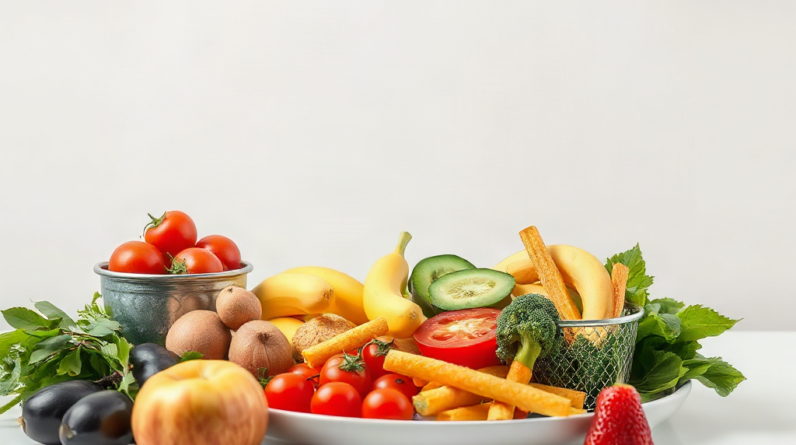
A well-rounded eating plan includes a variety of foods from all food groups. This balance ensures that you receive the necessary vitamins, minerals, and macronutrients. For instance:
– **Fruits and Vegetables**: Aim for a rainbow of colors to maximize nutrient intake.
– **Whole Grains**: Incorporate oats, quinoa, and brown rice for fiber and energy.
– **Proteins**: Choose lean meats, fish, legumes, and nuts for muscle repair and satiety.
– **Healthy Fats**: Avocados, olive oil, and nuts provide essential fatty acids.
Maintaining this balance not only supports physical health but also contributes to mental well-being by stabilizing energy levels and mood.
Long-term Sustainability
A healthy eating plan for life should be enjoyable and flexible. It’s essential to include foods you love and occasionally indulge in treats to avoid feelings of deprivation. Consider this approach:
– **Flexibility**: Allow yourself to enjoy your favorite meals without guilt.
– **Mindfulness**: Pay attention to hunger cues and eat slowly to enhance satisfaction.
– **Adaptability**: Adjust your plan as your lifestyle changes, such as new job demands or family commitments.
Embracing a sustainable mindset is key to long-term adherence to your healthy eating plan.
Key Components of a Healthy Eating Plan for Life
Creating a successful healthy eating plan for life requires understanding its fundamental components. Below are critical elements to include:
Macronutrient Distribution
Proper macronutrient distribution is crucial for optimal health. Here’s a basic guideline for your daily intake:
1. **Carbohydrates**: 45-65% of total calories, focusing on whole grains and fiber-rich foods.
2. **Proteins**: 10-35% of total calories, including a mix of plant-based and animal sources.
3. **Fats**: 20-35% of total calories, prioritizing unsaturated fats over saturated fats.
This distribution ensures that your body receives the right fuel for energy, growth, and repair.
Hydration
Water is vital to any healthy eating plan. Staying adequately hydrated helps with digestion, nutrient absorption, and overall bodily functions. Aim for:
– **Daily Water Intake**: Approximately 8-10 cups, adjusting for activity level and climate.
– **Hydration Sources**: In addition to water, consider herbal teas and hydrating fruits like watermelon and cucumbers.
Remember, hydration is often overlooked but is critical in maintaining a healthy lifestyle.
Creating Your Personalized Healthy Eating Plan for Life
Designing a healthy eating plan for life involves self-reflection and planning. Here are steps to help you create one tailored to your needs:
Assess Your Current Eating Habits
Before making changes, evaluate your current dietary patterns. Consider keeping a food diary for a week to identify areas for improvement. Ask yourself:
– What types of foods do I consume most often?
– Am I eating enough fruits and vegetables?
– Do I rely on processed foods?
This assessment will provide insight into your habits and help you pinpoint what adjustments are necessary.
Set Realistic Goals
Goals should be specific, measurable, attainable, relevant, and time-bound (SMART). For example:
– Instead of saying, “I want to eat healthier,” try “I will incorporate two servings of vegetables into my lunch every day.”
– Gradually work towards eliminating sugary beverages by replacing one soda per day with water.
By setting achievable goals, you’ll foster a sense of accomplishment that motivates ongoing improvements.
References and Resources
These resources provide valuable information about healthy eating plan for life. Check them out for additional insights:
Authoritative Sources on healthy eating plan for life
-
ChooseMyPlate.gov
ChooseMyPlate.govThis site provides guidelines on creating balanced meals and emphasizes portion control.
-
Nutrition.gov
Nutrition.govA comprehensive resource offering information on nutrition, dietary guidelines, and healthy eating tips.
-
World Health Organization – Healthy Diet
who.intProvides guidelines on healthy diets, emphasizing the importance of balanced nutrition.
-
CDC – Nutrition
cdc.govOffers resources and tips for maintaining a healthy diet and lifestyle.
-
Academy of Nutrition and Dietetics
eatright.orgProvides evidence-based nutrition information and recommendations from registered dietitians.
-
Harvard T.H. Chan School of Public Health – Nutrition Source
hsph.harvard.eduOffers extensive resources on healthy eating, including dietary guidelines and recipes.
-
American Society for Nutrition
nutrition.orgA leading organization providing research and education on nutrition science.

Good Health Solution is Easier Than Most People Think!
Take a Look for Yourself!
-
Nutrition and Healthy Eating – NCBI
ncbi.nlm.nih.govExplores the relationship between nutrition and health, offering insights from various studies.
Frequently Asked Questions
What is a healthy eating plan for life?
A healthy eating plan for life is a sustainable approach to nutrition that focuses on balanced, nutrient-dense foods tailored to individual needs and preferences. It emphasizes variety, moderation, and long-term health benefits rather than short-term dieting.
How do I create a healthy eating plan for life?
Start by assessing your current eating habits, identifying areas for improvement, and setting realistic goals. Focus on macronutrient distribution, include a variety of foods, and ensure proper hydration. Finally, regularly evaluate and adjust your plan as needed.
What are the benefits of a healthy eating plan for life?
The benefits include improved energy levels, better mood, weight management, and reduced risk of chronic diseases. A sustainable eating plan also fosters a healthier relationship with food and encourages lifelong wellness.
Can a healthy eating plan for life include treats?
Absolutely! A healthy eating plan for life should be enjoyable and flexible. Occasional treats can be included without guilt, helping to maintain motivation and satisfaction.
Conclusion
Implementing a healthy eating plan for life is a journey towards better health and well-being. By prioritizing balance, sustainability, and personalization, you can create a lifestyle that supports your physical and mental health. Remember, the goal is not just to eat healthier but to cultivate a relationship with food that is enjoyable and fulfilling.
As you embark on this journey, take it one step at a time. Small, consistent changes can lead to profound results. Embrace the process, and let your healthy eating plan for life evolve with you. Your body will thank you!
Good Health Solution is Easier Than Most People Think!
Take a Look for Yourself!
Find out more information about “healthy eating plan for life”
Search for more resources and information: