Eating right is more than just a trend; it’s a fundamental aspect of a healthy lifestyle that can significantly impact your overall well-being. The importance of eating right cannot be overstated—proper nutrition fuels our bodies, influences our mental health, and plays a crucial role in preventing chronic diseases. In a world filled with quick fixes and fad diets, understanding the long-term benefits of nutritious eating is essential for leading a thriving life.
Research suggests that the importance of eating right extends beyond physical health; it encompasses emotional and psychological well-being as well. A balanced diet can enhance mood, improve cognitive function, and even foster better relationships. Therefore, it’s vital to delve into the significance of nutrition and how making informed choices can lead to a more vibrant life.
The reality is, many individuals struggle with their dietary habits due to misinformation or lack of guidance. This article aims to clarify the importance of eating right and provide actionable steps to help you make better food choices. Let’s explore what it means to eat right and how to incorporate these principles into daily life.
The Foundation of Nutrition
Nutrition is the science that studies the interactions between living organisms and the substances they consume for sustenance. Understanding the basic components of nutrition is essential in recognizing the importance of eating right.
Key Nutrients for Optimal Health
1. **Carbohydrates**: The body’s primary energy source. Choose complex carbohydrates like whole grains, fruits, and vegetables over simple sugars.
2. **Proteins**: Essential for growth and repair. Incorporate lean meats, beans, and legumes into your meals.
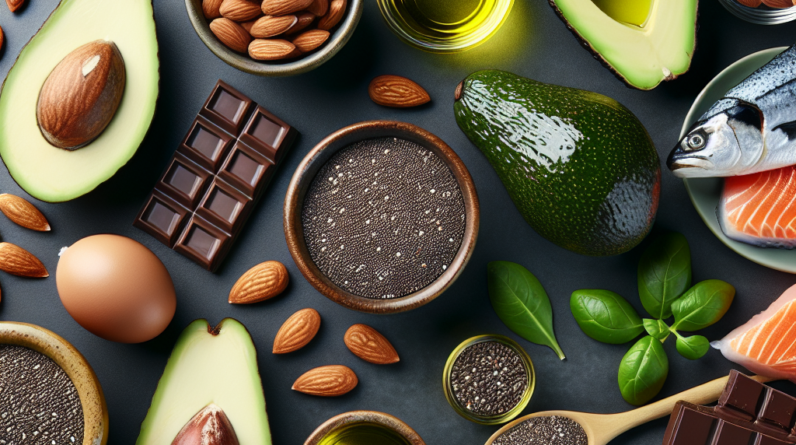
3. **Fats**: Healthy fats, such as those found in avocados, nuts, and olive oil, support brain health and hormone production.
4. **Vitamins and Minerals**: Micronutrients that play crucial roles in bodily functions. Aim for a variety of colorful fruits and vegetables to meet your needs.
5. **Water**: Vital for hydration, digestion, and nutrient transport. Aim for at least 8 glasses a day.
Understanding these nutrients and their roles highlights the importance of eating right for maintaining energy levels and overall health.
The Role of Balanced Meals
Creating balanced meals is essential for ensuring you receive all necessary nutrients. A balanced plate typically includes:
– **Proteins**: About 25% of your plate.
– **Carbohydrates**: Approximately 50% of your plate.
– **Fats**: Around 25% of your plate.
Additionally, incorporating a variety of food groups ensures that your body receives the essential nutrients it needs to function optimally.
Exploring the Importance of Eating Right
Delving deeper into the importance of eating right reveals its profound influence on physical health, mental well-being, and longevity.
Physical Health Benefits
Numerous studies have shown a direct correlation between nutrition and physical health. Benefits include:
– **Weight Management**: Eating a balanced diet helps maintain a healthy weight, reducing the risk of obesity.
– **Chronic Disease Prevention**: Proper nutrition can lower the risk of heart disease, diabetes, and certain cancers.
– **Enhanced Immunity**: A well-nourished body is better equipped to fight off infections and illnesses.
Making informed dietary choices not only fosters physical health but also amplifies overall vitality.
Mental Well-Being
Nutrition also significantly impacts mental health. Research indicates that a diet rich in fruits, vegetables, and healthy fats can contribute to:
– **Improved Mood**: Certain nutrients, such as omega-3 fatty acids, have been linked to lower levels of depression.
– **Cognitive Function**: Nutrients support brain health, enhancing memory and focus.
– **Emotional Stability**: A balanced diet can help regulate moods and reduce anxiety.
Recognizing the importance of eating right for mental well-being is vital in today’s fast-paced world.
Practical Tips for Healthy Eating
Incorporating healthy eating habits into your daily routine doesn’t have to be daunting. Here are some practical tips to help you embrace the importance of eating right.
Meal Planning
1. **Plan Ahead**: Dedicate time each week to plan your meals and snacks.
2. **Create a Grocery List**: Stick to your list to avoid impulse purchases of unhealthy items.
3. **Batch Cooking**: Prepare meals in advance to save time during busy weekdays.
Organizing your meals can simplify healthy eating, making it easier to stick to nutritious options.
Smart Snacking
– **Opt for Healthy Snacks**: Choose fruits, nuts, yogurt, or whole-grain crackers over sugary snacks.
– **Stay Hydrated**: Sometimes thirst is mistaken for hunger. Drink water before reaching for a snack.
– **Portion Control**: Use smaller bowls for snacks to help manage portions.
By making mindful choices, you can enhance your diet without feeling deprived.
Common Misconceptions about Nutrition
Despite the wealth of information available, misconceptions about nutrition are rampant. Addressing these can help clarify the importance of eating right.
Myth: All Fats Are Bad
Not all fats are created equal. Healthy fats are essential for brain health and should be included in your diet. The focus should be on limiting trans fats and saturated fats while embracing unsaturated fats found in avocados, nuts, and olive oil.
Myth: Carbs Are the Enemy
Carbohydrates are a vital energy source. Instead of eliminating carbs, focus on choosing whole grains and fiber-rich options. This approach supports sustained energy levels and promotes digestive health.
References and Resources
These resources provide valuable information about the importance of eating right. Check them out for additional insights:
Authoritative Sources on Importance of Eating Right
-
ChooseMyPlate.gov
ChooseMyPlate.govOffers guidance on healthy eating patterns and food choices based on the latest dietary guidelines.
-
CDC Nutrition
CDC.govProvides resources on nutrition and health promotion to prevent chronic diseases.
-
Nutrition.gov
Nutrition.govA comprehensive resource for nutrition information from various government agencies.
-
WHO Nutrition
WHO.intInformation and guidelines on global nutrition, health, and dietary recommendations.
-
Academy of Nutrition and Dietetics
EatRight.orgProfessional organization providing evidence-based nutrition information and resources.
-
Harvard Nutrition Source
Harvard.eduA comprehensive source for research-backed nutrition information and guidelines.
-
Mayo Clinic Nutrition
MayoClinic.orgOffers insights on how nutrition affects health and practical tips for eating better.

Good Health Solution is Easier Than Most People Think!
Take a Look for Yourself!
-
Nutrition and Mental Health
NCBI.nlm.nih.govResearch article discussing the relationship between nutrition and mental health.
Frequently Asked Questions
What is the importance of eating right?
The importance of eating right lies in its ability to enhance physical health, support mental well-being, and prevent chronic diseases. A balanced diet provides essential nutrients that the body needs to function optimally.
How can I start eating right?
Starting with small changes can make a big difference. Incorporate more whole foods into your diet, such as fruits, vegetables, and lean proteins. Meal planning and being mindful of portion sizes can also help you stay on track.
What are some common misconceptions about nutrition?
Common misconceptions include the belief that all fats are bad and that carbohydrates should be avoided altogether. In reality, healthy fats are essential, and carbohydrates are crucial for energy. Understanding these differences is key to recognizing the importance of eating right.
How does nutrition affect mental health?
Nutrition plays a significant role in mental health. A balanced diet can improve mood, enhance cognitive function, and provide emotional stability. Certain nutrients, like omega-3 fatty acids, have been linked to reduced depression levels.
Conclusion
In summary, the importance of eating right cannot be overlooked. A balanced diet is foundational for physical health, emotional stability, and overall quality of life. By embracing nutritious foods and making mindful choices, individuals can cultivate a thriving life filled with energy and well-being.
As you reflect on your eating habits, consider taking small, actionable steps towards better nutrition. Whether it’s planning meals, educating yourself on food choices, or simply being more mindful of what you consume, every effort counts. Remember, the journey to better health begins with understanding the significance of what we eat.
Good Health Solution is Easier Than Most People Think!
Take a Look for Yourself!
Find out more information about “importance of eating right”
Search for more resources and information: