


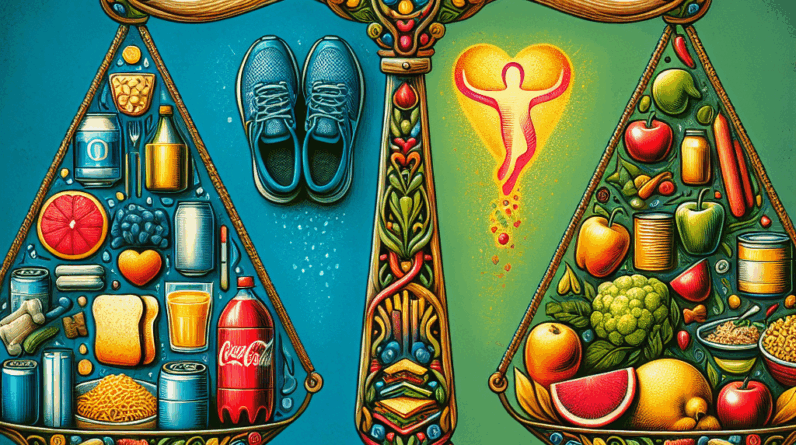
Understanding Processed Foods
What Are Processed Foods?
So, first things first, what the heck are processed foods? Well, in layman’s terms, processed foods are any food items that have been altered in some way from their original form. This can include anything from products that go through a simple freeze or canning process to those that are packed with preservatives and artificial ingredients. Basically, if it doesn’t look like it did when it came off the farm, it’s probably processed.
Some people think all processed foods are bad, but that’s not entirely true. For instance, things like frozen vegetables or canned beans can be super convenient and still very nutritious. On the flip side, you have snacks that come loaded with sugar and chemicals that we should probably steer clear of. It’s all about understanding what’s really in our food!
In my own cooking adventures, I’ve found that reading labels is key. By knowing what I’m putting in my body, I can make informed choices—like opting for whole ingredients over chemical-laden stuff whenever possible. It’s a game-changer!
The Types of Processed Foods
There’s a whole spectrum of processed foods to consider when diving into this subject. You have minimally processed foods, like pre-washed salad greens, which can be a time-saver without sacrificing nutrition. Then, there are moderately processed options, such as yogurt or cheese, which may involve some added ingredients for flavor and preservation.
On the other end of the spectrum, ultra-processed products are more like science experiments in your pantry. These often contain ingredients you can’t find in your grandma’s kitchen, and they tend to be low in nutrients and high in empty calories. I mean, have you ever read the back of a bag of chips? Yikes!
My personal strategy is to stock up on minimally processed foods and to keep the ultra-processed ones as occasional treats. It’s all about balance, right? I believe if we make smart choices most of the time, those indulgences won’t ruin our health goals.
Why Processed Foods Are Popular
Processed foods are super popular, and I totally get it. They’re convenient. When I look at my busy week, I love grabbing quick snacks or meals that require little to no prep! It’s definitely a lifesaver after a long day at work. Plus, they often come in snazzy packaging that grabs our attention.
But here’s the kicker—this convenience comes at a cost. Many highly processed options are just plain unhealthy. They can lead to weight gain and health issues if we’re not careful. It’s vital to be conscious of what we reach for, even during those manic Monday moments when we just want to heat up something fast.
I’ve started setting aside time on weekends to prep meals. It makes a world of difference! This way, I can enjoy the convenience without compromising on quality. Do you ever meal prep? I’d love to hear what your favorites are!
Impacts on Our Health
Understanding Nutritional Value
Let’s face it: we all want to feel good in our bodies. But the nutritional value of processed foods is a big talking point when it comes to wellness. Many processed foods are stripped of beneficial nutrients, and they might be loaded with stuff like sugar and sodium, which isn’t great.
During my journey to better health, I made a commitment to swap some of those processed staples for whole foods. For example, my morning smoothies now include fresh fruits and greens, instead of sugary breakfast bars. Trust me, it’s a vibe! My energy levels have surged, and I feel so much more alive during the day.
Now, I’m not saying I never indulge. But understanding how these choices affect my health has made a noticeable difference. A little knowledge goes a long way in helping me feel my best!
Weight Management and Processed Foods
When it comes to weight management, the science behind processed foods can be a bit controversial. Some studies suggest that ultra-processed foods can increase hunger and cravings due to their high sugar and fat content. I totally noticed this when I grabbed that bag of chips—I couldn’t stop at just one, right?
On the flip side, whole foods tend to be more filling and nutritious, making it easier to keep those cravings at bay. I’ve learned to love snacking on fruits and nuts instead of reaching for the pantry’s processed treasures. It’s helped me stay on track with my wellness goals.
One thing I always say to friends looking to shed a few pounds is that focusing on whole, minimally processed foods can do wonders. It’s about fueling your body with the right nutrients and keeping your metabolism happy!
Long-Term Health Effects
Research has connected the dots between diets high in processed foods and a variety of long-term health issues, including heart disease and diabetes. Hearing those stats can be a real eye-opener! When I first learned about these risks, it pushed me to reevaluate my habits.
Making small changes, such as cooking more at home and experimenting with whole ingredients, can greatly reduce those risks. I’ve begun experimenting with whole grains and lean proteins, and it’s amazing how much my taste buds have adapted! It feels good to nourish my body instead of just filling it.
Good Health Solution is Easier Than Most People Think!
Take a Look for Yourself!
The key takeaway? Stay informed and prioritize whole foods whenever possible. Every healthy choice is a step toward long-term wellness!
Socioeconomic Factors
The Cost of Healthy Eating
I’ve often heard that eating healthy is more expensive, and while there’s some truth to that, I don’t think it’s an absolute barrier. Sure, organic produce isn’t always cheap, but that doesn’t mean healthy eating is out of reach for anyone! I’ve found ways to eat healthy on a budget.
For instance, buying in bulk, utilizing frozen fruits and veggies, and checking local markets can significantly bring costs down. By being a savvy shopper, I’ve learned that I can enjoy nutritious foods without breaking the bank.
Now, I absolutely love visiting farmers’ markets—there’s something special about supporting local farmers and grabbing fresh veggies! I encourage you all to check it out if you haven’t already. It’s a win-win!
Food Deserts and Limited Access
It’s really sad, but many people live in “food deserts,” where access to fresh, healthy food is super limited. This can make it incredibly hard for them to make the healthier choices that we often take for granted. We really need to consider how this impacts community health.
Through some local volunteer work, I’ve seen firsthand the efforts being made to bring healthier options to underserved areas. Organizations are getting creative, using community gardens and mobile markets to bridge this food gap. It’s heartwarming to witness positive changes in these communities!
One of my goals is always to support initiatives that promote access to nutritious foods. Change takes time, but I’m hopeful and I truly believe that healthier living should be a right, not a privilege.
Breaking the Cycle
We all have choices, and sometimes it’s tough to start thinking differently about processed foods. The good news is, making small lifestyle changes can set the foundation for a healthier life! I’ve learned that it’s never too late to change our eating habits and to educate ourselves on what we consume.
Setting realistic goals can help break the cycle of unhealthy habits. I often challenge myself to try one new, healthy recipe each week, which keeps things fresh and exciting. It’s one of my favorite ways to expand my palate and get creative!
Ultimately, awareness is key. I encourage everyone to dive deeper into the impact of processed foods and to explore healthier alternatives. You might just discover some new favorites along the way!
Conclusion
Processed foods are a staple in many diets worldwide, but understanding their impact on our wellness is essential for making informed dietary choices. By taking the time to educate ourselves and prioritize whole, minimally processed foods, we can work toward a healthier future.
In my experience, it’s about finding a balance that works for you—nourishing your body while still enjoying the occasional treat. Every small step you take towards healthier eating is a step in the right direction. So, let’s gear up for a delicious and fulfilling journey towards wellness together!
Frequently Asked Questions
1. Are all processed foods bad for you?
No, not all processed foods are bad! Minimally processed foods, like frozen fruits and veggies, can be healthy options. It’s the ultra-processed foods loaded with sugars and preservatives that we should be cautious about.
2. How can I make healthier choices on a budget?
Shop in bulk, choose frozen produce, and look for local farmers’ markets. These can help keep costs down while still providing nutritious food options.
3. Can you provide tips for meal prepping?
Sure! Start by planning a menu for the week, batch-cook meals and portion them out in containers. Using a variety of whole ingredients can keep things exciting!
4. What impact do processed foods have on weight management?
Highly processed foods can increase cravings and hunger due to high levels of sugar and fats. Focusing on whole and minimally processed foods can help you feel fuller longer.
5. How can I educate myself about food quality?
Start by reading nutrition labels, following reputable health blogs, and exploring books on nutrition. Awareness is the first step toward making informed choices!





