Understand Your Digestion System
What is Digestion?
So, let’s start with the basics. Digestion is the process by which our bodies breakdown food to absorb nutrients. Sounds simple, right? But, believe me, it’s a whole complex system working in perfect harmony. Your mouth, stomach, and intestines all play a role in this dance of digestion.
When we eat, our saliva starts breaking down food before it even hits the stomach. Then, the stomach gets to work, using acids and enzymes to really break things down into tiny, usable bits. Imagine it as a blender; everything gets mixed in until it reaches the right consistency to move on to the intestines.
A big part of improving digestion starts with understanding this process. Once you get to know how it works, you can make smarter choices to help everything run smoother.
Common Digestion Problems
We’ve all been there, right? You munch on something delightful, only to feel bloated or gassy a couple of hours later. Digestion problems can range from mild discomfort to something a bit more serious, like acid reflux or constipation. Ugh, right?
Knowing the common culprits can help you dodge these tricky situations. Things like fatty foods, spicy dishes, and even dairy can throw your digestion off its game. Trust me, it pays to listen to your body – if something doesn’t sit right, figure out what it was!
Digestion issues can often hint at what we need to change in our diets. Being aware of what foods don’t quite agree with you can lead to better meal planning and a happier tummy.
How Stress Impact Your Digestion
Here’s a fun fact – stress can really mess with your digestion. When you’re stressed, the body can go into fight-or-flight mode, which isn’t great for digestion. Everything can slow down, leading to all kinds of issues.
Have you ever noticed how you don’t feel hungry when you’re anxious? That’s your body prioritizing survival over digestion. So, managing stress through mindfulness, breathing exercises, or even enjoying a good book can make a huge difference.
Creating a calming environment around mealtimes can also foster better digestion. Eating while totally chill allows your body to focus on breaking down food effectively rather than being distracted by external stressors.
Choose Whole Foods
What are Whole Foods?
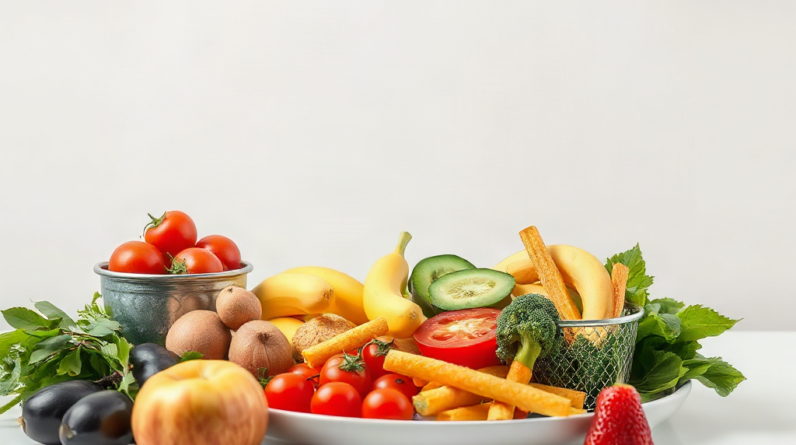
Whole foods are basically foods in their most natural state. Think fruits, veggies, whole grains, and lean proteins. These foods are packed with nutrients and are usually less processed, making them fantastic for digestion.
When you introduce more whole foods into your diet, you’re giving your body everything it needs to run efficiently. Why? Because they usually contain fiber, which is a champion when it comes to digesting food and keeping everything regular.
If you can make a habit of choosing whole foods over processed options, you’ll definitely notice a difference in how you feel after meals. Plus, they taste loads better! Who doesn’t love a fresh salad or a ripe piece of fruit?
Benefits of an All-Natural Diet
Eating natural foods can help reduce inflammation and improve gut health. This means your body can digest food with way less effort, and you’ll feel more energized afterwards. Winning!
Whole foods tend to have fewer additives and preservatives, which means less junk for your tummy to handle. If you’re struggling with digestion, opting for more natural foods can make a big difference.
Plus, whole foods contribute to a balanced diet which is super important for overall health. When your body has the right nutrients, it’s better equipped to deal with anything life throws at it – including your lunch!
Making Smart Food Choices
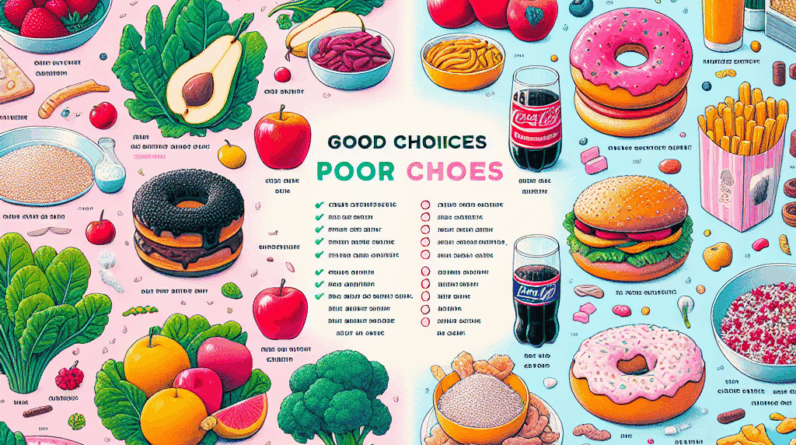
Making smarter food choices isn’t just about what’s healthy, but also what’s going to be kinder to your digestive system. This means being selective about not just what you eat but how you eat.
I’ve learned that eating mindfully – like really focusing on your food and chewing it well – can go a long way. It helps your body digest everything more seamlessly. Try it out – it feels a bit awkward at first, but once you get the hang of it, you can actually enjoy your meals more!
Lastly, don’t ignore portion sizes. Big meals can be rough on digestion because they require more time and energy to break down. Smaller and more frequent meals can help keep your digesting system running smoothly.
Stay Hydrated
Importance of Water for Digestion
Alright, water is life, right? Staying hydrated is crucial when it comes to healthy digestion. Water helps dissolve nutrients, making it easier for your body to absorb them. Plus, it helps with the prevention of constipation, which no one wants to deal with.
I’ve found that drinking a glass of water before meals primes my system for processing food. It’s like giving a little head’s up to your body that it’s time to get to work!
But don’t overdo it! Too much water during meals can dilute stomach acids and enzymes, which can throw off the digestion process. Aim for a cup or two before and after your meals instead.
Good Health Solution is Easier Than Most People Think!
Take a Look for Yourself!
Best Drinks for Digestion
While plain water is awesome, there are other drinks that can also boost your digestion. Herbal teas, for example, are super soothing for the stomach. Ginger tea can work wonders if you’re feeling nauseous or bloated – a game changer!
Fermented drinks like kombucha or kefir are also fantastic. They are loaded with probiotics that can help balance out good and bad bacteria in your gut. It’s like a little party for your intestines!
So, get creative with your hydration! Sometimes a different drink can give your digestion a little jolt in the right direction.
Signs of Dehydration
Recognizing the signs of dehydration is essential. Symptoms like dry mouth, fatigue, or even dark yellow urine can signal that you’re not getting enough water. Trust me; nobody wants to deal with the aftereffects of dehydration.
Sometimes just adding a flavored water option or herbal tea can make it easier to hit your hydration goals. If you’re aware of what your body needs, you’re already on the right path!
Being proactive about hydration can seriously transform how you feel after meals. Not only will it help your digestion, but you’ll have more energy for everything else in your life!
Practice Mindful Eating
What is Mindful Eating?
Mindful eating is all about being present during your meals and really tasting what you’re eating. It’s an experience rather than just a routine. Think about it this way: savor each bite instead of mindlessly munching – your body and mind will thank you!
I like to think of it as a mini-meditation session. Silence notifications, put your phone away, and really focus on the flavors, textures, and aromas. You’ll discover so much more about your food!
The more aware you become, the better equipped you are to notice what makes you feel good or what doesn’t sit right. You might even find that you don’t need to eat as much when you’re truly enjoying your food – total win-win!
Benefits of Slowing Down
Taking your time while eating isn’t just good for digestion; it can help you enjoy meals more, too. Putting the brakes on gulping down food allows your body to signal when it’s full, potentially reducing overeating.
I’ve seen a big difference in how I feel after meals when I pace myself. There’s something fulfilling about appreciating the effort that goes into cooking and the different tastes on your plate.
So, practicing this art of slowing down can have long-lasting benefits, both physically and mentally. You might even find yourself looking forward to meals just a bit more!
Connecting with Food
Finally, connecting with your food can elevate your eating experience. Knowing where your food comes from, how it’s grown, and its nutritional value makes you appreciate what’s on your plate even more.
Next time, try to think about the journey each ingredient has taken. Whether it’s local produce from a farmer’s market or a favorite dish from your childhood, these thoughts can deepen your appreciation for your meals.
When you make these connections, you can build a healthier relationship with food, which naturally leads you to more mindful eating habits. It’s all about being intentional with what you consume!
FAQ
1. What are some signs that I might have a digestion problem?
Common signs include discomfort after eating, bloating, gas, constipation, or acid reflux. If you’re experiencing these regularly, it might be worth discussing with your healthcare provider.
2. How does stress affect digestion?
Stress can lead to disruptions in your digestive system by slowing down processes or causing gastric issues like reflux. Managing stress can positively impact your digestion.
3. Why are whole foods crucial for digestion?
Whole foods are rich in nutrients and fiber, which help in maintaining a healthy digestive tract. They support gut health and can lead to less bloating and discomfort.
4. How much water should I be drinking?
Aiming for around 8 glasses a day is a good start, but listen to your body. Drinking water before and after meals can be more beneficial than having it during eating.
5. What is mindful eating, and how do I practice it?
Mindful eating involves being present during meals, enjoying every bite, and avoiding distractions. Slowing down and appreciating flavors can help you better connect with your food and improve digestion.