If you don’t like drinking water, make hydration easier by changing its flavor, temperature, texture, and place in your routine rather than forcing large plain glasses. Try chilled or sparkling water, infuse it with citrus or herbs, and obtain some fluid from foods such as yogurt, soup, melon, and cucumbers. Drink modest amounts with meals, after waking, and during activity so thirst does not have to prompt every decision. Limit heavily sweetened drinks as everyday substitutes, and increase fluids during heat, exercise, illness, pregnancy, or breastfeeding. Persistent dark urine, dizziness, confusion, or difficulty keeping fluids down warrants medical advice.
Identify What You Dislike About Water
Water aversion usually has a specific trigger: an unpleasant taste, an unappealing temperature, boredom, inconvenient access, or discomfort after drinking too much at once. Pinpointing that trigger is more useful than buying a larger bottle or setting an ambitious daily target. A person who dislikes the chlorine taste of tap water needs a different adjustment from someone who simply forgets to drink while working.
Begin with a brief comparison. Taste tap water cold and at room temperature, then compare it with filtered or bottled water if those options are available. Notice whether the objection is flavor, smell, mouthfeel, or the sensation of fullness. If only water from one faucet tastes unusual, the plumbing, container, or local supply may be contributing. A clean glass or stainless-steel bottle can taste different from a plastic container that has retained odors. Water that suddenly develops a metallic, earthy, or otherwise abnormal taste should not automatically be covered with flavoring; check local water-quality notices or contact the utility when appropriate.
Volume can be the hidden problem. Quickly drinking a large tumbler may cause sloshing, bloating, or nausea, especially near a meal or vigorous exercise. Sipping a smaller serving over 20 to 30 minutes may feel much easier. Conversely, constant tiny sips can be annoying and easy to forget. In that case, a modest glass at predictable points in the day may work better than carrying a bottle everywhere.
Some people associate plain water with an unwanted task while enjoying tea or sparkling water without difficulty. That distinction matters because hydration does not require every fluid to be unflavored and still. The aim is to find acceptable, repeatable sources without allowing added sugar, caffeine, cost, or dental exposure to create a new problem. When considering what to do if you don’t like drinking water, treat your objection as a practical constraint rather than a failure of willpower.
Change Flavor, Temperature, or Texture
Small sensory changes can make water noticeably easier to drink without turning it into a sugary beverage. Cold water often has a less noticeable mineral or chlorine flavor, while room-temperature water may be more comfortable for people with sensitive teeth. Ice, a straw, a wide-mouth cup, or carbonation changes the drinking experience even when the underlying fluid is still water.
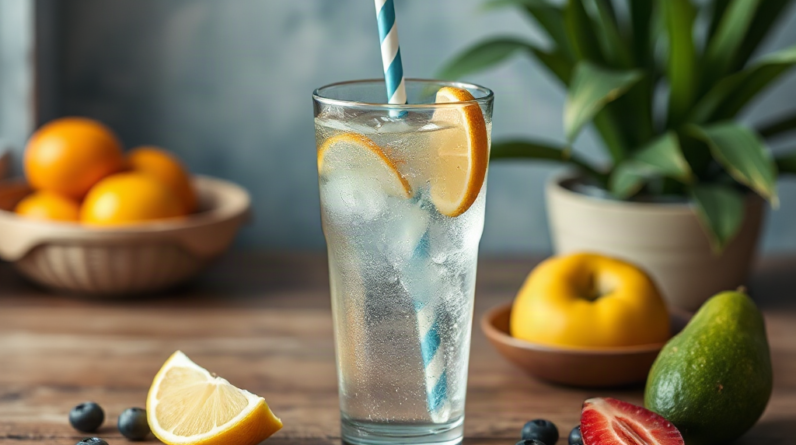
For flavor, add ingredients that release aroma without requiring much sweetener. Lemon, lime, orange, cucumber, mint, basil, ginger, or crushed berries all work, alone or in simple combinations. Refrigerate infused water and use clean produce and containers. Citrus left in water for a long time can make it bitter, and acidic drinks sipped continuously may be hard on tooth enamel. Using a short infusion, drinking it with a meal, and rinsing the mouth with plain water afterward can reduce prolonged acid exposure.
Unsweetened sparkling water is another practical option. It hydrates, offers a stronger mouthfeel, and may feel more satisfying than still water. Check the label if sodium, caffeine, sweeteners, or added acids matter to you; products marketed as sparkling water vary. Carbonation can worsen belching, bloating, or reflux for some people, so it is not the best default when those symptoms appear. A mix of half sparkling and half still water provides lighter carbonation at a lower cost.
Flavor drops and powdered drink mixes can be useful bridges, but they deserve label checks. Added sugar increases the drink’s energy content, while sugar alcohols can cause digestive discomfort in some people. Non-sugar sweeteners may help someone move away from soda, yet very intense sweetness can make plain or lightly flavored drinks seem less appealing by comparison. Diluting a mix beyond the package suggestion may provide enough flavor with less sweetness.
Test one variable at a time: temperature for two days, a mild infusion next, then carbonation if needed. The approach is working when you drink comfortably and consistently without needing increasingly sweet flavors. It is failing when the substitute causes stomach symptoms, strains the budget, or becomes another drink you avoid.
Use Hydrating Foods and Other Drinks Wisely
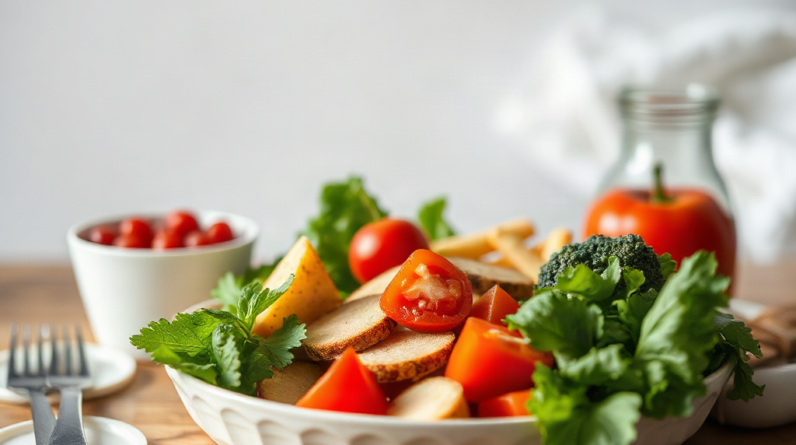
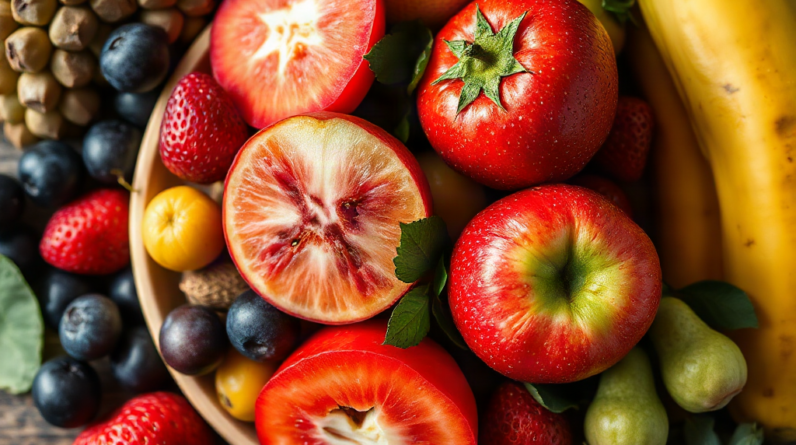
Fluid comes from beverages and foods, so plain water does not have to carry the entire load. Milk, unsweetened fortified soy beverage, tea, coffee, broth, and soups all contribute fluid. Foods with substantial water content—including melon, oranges, grapes, strawberries, cucumbers, tomatoes, lettuce, zucchini, yogurt, and oatmeal—can add meaningful moisture across meals.
A workable day might include yogurt and berries at breakfast, soup with lunch, cucumber alongside dinner, and tea between meals. These choices provide fluid together with nutrients such as protein, calcium, vitamins, or fiber, depending on the food. Whole fruit generally offers more fiber and satiety than juice. Soup can be useful during cold weather or poor appetite, although canned and restaurant versions may contain considerable sodium. People who have been told to restrict sodium or fluid should follow their clinician’s individualized guidance rather than relying on broad hydration advice.
Sweet drinks require a tradeoff. Juice, sweet tea, energy drinks, sports drinks, and soda provide fluid, but frequent use can add substantial sugar and expose teeth to repeated acid or sugar contact. Sports drinks are designed for particular situations and are not automatically necessary for ordinary desk work or brief, low-intensity activity. During prolonged, strenuous exercise with heavy sweating, a drink containing carbohydrate and electrolytes may sometimes be useful; during a typical short workout, water and normal meals are often sufficient.
Caffeinated drinks still count toward fluid intake for most regular consumers, but dose and timing matter. Too much caffeine may cause jitteriness, sleep disruption, palpitations, or digestive symptoms. Alcohol is not a dependable hydration method and can contribute to fluid loss and impaired judgment. Decaffeinated tea, warm herbal infusions, diluted juice, or milk may be more suitable when plain water is unappealing.
Do not use watery foods as an excuse to ignore drinking entirely, especially during heat, physical activity, vomiting, diarrhea, or fever. Food intake may fall precisely when fluid needs become harder to meet. A balanced version of what to do if you don’t like drinking water combines enjoyable beverages with moisture-rich meals while keeping sweetened options occasional rather than automatic.
Build a Routine That Does Not Depend on Thirst
A reliable drinking routine uses existing events rather than constant alarms or an arbitrary bottle quota. Thirst can be a useful signal, but it is not equally noticeable during focused work, travel, illness, or later adulthood. Pairing fluid with actions that already happen reduces the number of decisions required.
Good Health Solution is Easier Than Most People Think! Take a Look for Yourself!
Choose three or four anchors that fit your day. Have a small drink after waking, place a beverage beside lunch, drink before leaving for a walk, and refill a cup during an afternoon break. Keep the serving comfortable; someone who dislikes water may tolerate 150 to 250 milliliters better than a large bottle consumed under pressure. Needs vary with body size, diet, climate, activity, pregnancy, breastfeeding, health conditions, and medications, so a universal number should not be treated as a personal prescription.
A Compact Hydration Setup
- Choose two acceptable drinks: for example, chilled infused water and unsweetened tea.
- Assign three daily cues: such as breakfast, lunch, and the end of a workout.
- Prepare for friction: wash the bottle nightly, chill a pitcher, or carry a small container when traveling.
- Review physical signals: notice thirst, urine color, dry mouth, headaches, and how you feel during activity.
Urine that is pale yellow often suggests reasonable hydration, while darker urine can indicate that more fluid may be needed. Color is not a perfect measure: vitamins, foods, medications, and health conditions can alter it. Completely clear urine all day is not a goal, and repeatedly forcing excessive amounts can be harmful because the kidneys may not clear the water quickly enough.
Convenience commonly determines whether a routine survives. A glass stored near the sink may outperform an expensive bottle left in a cupboard. At work, a lidded cup may be more practical than repeated trips to a fountain. During travel, smaller amounts at planned stops may feel manageable without causing constant bathroom concerns. Review the routine after a week: fewer episodes of pronounced thirst and less dark urine suggest progress, while untouched drinks or repeated discomfort signal that the flavor, serving size, or timing needs adjustment.
Recognize When Low Fluid Intake Needs Attention
Mild dislike of water is usually manageable, but an inability to drink enough can become a health concern. Dry mouth, pronounced thirst, darker or less frequent urine, headache, fatigue, dizziness, or reduced exercise tolerance may accompany inadequate fluid intake. These symptoms are not specific to dehydration, so persistent or severe problems should not be self-diagnosed from urine color or thirst alone.
Fluid losses rise with hot conditions, heavy sweating, fever, vomiting, and diarrhea. Waiting until a person feels very thirsty may be inadequate when losses are rapid. Small, frequent sips may stay down better than a full glass during nausea. An oral rehydration solution can be more appropriate than plain water when substantial fluid and electrolyte losses occur, because it contains a purposeful balance of water, salts, and carbohydrate. It should be prepared according to its directions rather than improvised with uncertain quantities.
Seek prompt medical guidance if you cannot keep fluids down, urinate very little, become confused, faint, develop severe weakness, or notice a rapid worsening of symptoms. Infants, older adults, and people with certain chronic illnesses may become vulnerable sooner. Difficulty swallowing liquids, coughing during drinking, or recurrent choking also needs professional assessment rather than experiments with straws or thicker fluids.
More water is not always safer. Heart failure, kidney disease, liver disease, and some medications can change how the body handles fluid or sodium. Anyone given a fluid restriction should not override it with a generic hydration target. Excessive water consumed rapidly can dilute blood sodium and become dangerous, particularly during endurance activity or drinking challenges.
A sudden aversion to water, persistent unusual taste, intense thirst despite frequent drinking, or a major change in urination deserves attention. Medication effects, oral or dental problems, infections, blood-glucose changes, and other conditions can alter taste or thirst. Practical flavor methods remain useful, but they should not conceal a new symptom that continues or disrupts normal intake.
Frequently Asked Questions
Can other drinks count toward hydration?
Yes. Milk, tea, coffee, sparkling water, broth, and other beverages contribute fluid. Compare their sugar, caffeine, sodium, acidity, and cost before making one your main everyday option.
Is flavored water as hydrating as plain water?
Water with fruit, herbs, carbonation, or a modest amount of flavoring still supplies fluid. Check packaged varieties for added sugar, caffeine, sodium, and acids that may matter with frequent use.
How can I drink water without feeling bloated?
Try smaller servings, slower sipping, and still rather than carbonated water. Avoid rapidly drinking a large volume with meals; persistent bloating, pain, or nausea should be discussed with a clinician.
Do fruits and vegetables replace drinking water?
They contribute fluid but may not cover increased losses from heat, exercise, fever, vomiting, or diarrhea. Combine moisture-rich foods with beverages you can drink consistently.
How do I know whether I am drinking enough?
Thirst, comfort, activity tolerance, and generally pale-yellow urine provide useful clues. Individual needs vary, and medical fluid restrictions take priority over generic targets.
Conclusion
Start by identifying whether taste, temperature, carbonation, serving size, or inconvenience makes water unpleasant. Then test the smallest useful change: chill it, add a mild infusion, choose sparkling water, or pair a modest serving with a dependable daily cue. Tea, milk, soup, yogurt, fruit, and vegetables can broaden fluid intake, but heavily sweetened drinks are better treated as occasional options than the default solution.
Judge the plan by comfort and consistency, not by finishing an oversized bottle. Pay closer attention during heat, exercise, illness, pregnancy, or breastfeeding, and follow individualized advice if a health condition affects fluid balance. New taste changes, persistent intense thirst, very low urination, confusion, fainting, or an inability to retain fluids call for medical guidance rather than another flavor experiment.
 Good Health Solution is Easier Than Most People Think! Take a Look for Yourself!
Further Reading
Authoritative Sources
- CDC Water and Healthier Drinks
cdc.govOfficial public-health guidance on drinking water, hydration, and healthier beverage choices.
- National Academies Electrolytes and Water
nap.nationalacademies.orgScientific reference work on dietary intake guidance for electrolytes and water.