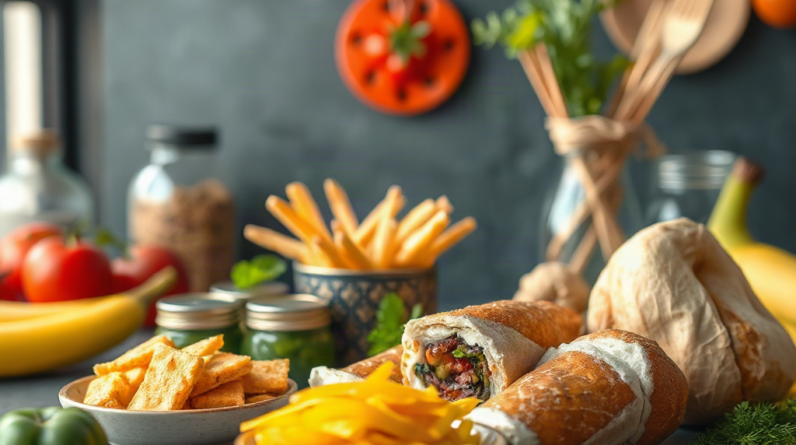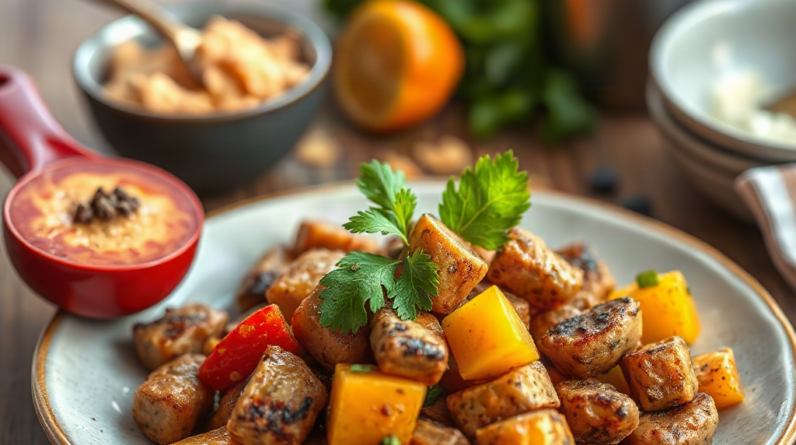
Make healthy food taste delicious by layering flavor throughout cooking rather than relying on excess salt, sugar, or heavy sauces at the end. Brown vegetables and proteins for savory depth, balance rich or bitter foods with acid, and use herbs, spices, aromatics, and small amounts of flavorful fat. Match the cooking method to the ingredient: roast sturdy vegetables, quickly sauté delicate greens, and simmer beans with aromatic seasonings. Taste before serving and adjust salt, acidity, heat, and texture separately. Healthy meals become more satisfying when they include contrast, such as creamy beans with crisp vegetables or roasted squash with a bright lemon dressing.
Build Flavor in Layers
Flavor develops more effectively when seasoning enters a dish at several points. Adding every seasoning just before serving may coat the surface, but it rarely creates the depth found in a well-cooked meal. A stronger approach is to season the main ingredient lightly, develop aromatics in the pan, add spices when their flavors can bloom, and make a final adjustment after tasting.
Aromatics provide a useful foundation without requiring a complicated recipe. Onion, garlic, scallions, ginger, celery, and fresh chiles release distinctive compounds as they are cut and heated. Cooking onion in a modest amount of olive oil until it softens and begins to color gives a lentil soup more depth than dropping raw onion into the liquid shortly before serving. Garlic generally needs less time and can become bitter if allowed to burn, so it is often added after the onion has softened.
Dried spices benefit from brief contact with warm oil or a hot, moist pan. Cumin, coriander, smoked paprika, curry powder, and chile flakes can taste dusty when sprinkled onto a finished meal. Heating them for roughly half a minute with the aromatics releases their aroma before broth, tomatoes, beans, or vegetables are added. The goal is fragrance, not darkening; scorched spices introduce harshness that additional seasoning cannot easily hide.
Seasoning in stages does not mean salting heavily at every step. Use modest amounts and remember that broth, canned beans, cheese, olives, condiments, and sauces may already contain sodium. Rinsing canned beans can reduce the salty packing liquid, while tasting the complete dish reveals whether more seasoning is actually needed. People limiting sodium for medical reasons should follow individualized guidance rather than assuming herbs make sodium limits irrelevant.
A simple bowl shows how layering works: roast chickpeas with cumin and paprika, cook brown rice with garlic, then serve both with tomatoes, cucumber, parsley, and lemon-tahini sauce. Each component contributes a different flavor rather than forcing one dressing to carry the meal. A common failure is combining too many assertive seasonings without a clear direction. Choose one flavor profile—such as lemon, garlic, parsley, and oregano—and let supporting ingredients reinforce it. This is a reliable starting point for anyone testing how to make healthy food taste delicious with familiar pantry ingredients.
Choose a Cooking Method That Improves the Ingredient
Cooking technique changes flavor as much as seasoning does. High, dry heat encourages browning on foods such as cauliflower, mushrooms, squash, tofu, chicken, and fish. Browning creates roasted and savory notes that boiling cannot provide. Moist methods remain useful for beans, whole grains, soups, and tougher ingredients, but they need aromatics and a flavorful cooking liquid to avoid tasting flat.
Roasting works best when food has room to release moisture. Vegetables crowded into a small pan steam against each other, becoming soft before their surfaces brown. Cut pieces to a similar size, dry them after washing, coat them lightly with oil, and spread them in one layer. Dense vegetables such as carrots and sweet potatoes need smaller pieces or more time than zucchini and peppers. If everything shares one tray, add quick-cooking vegetables later rather than accepting burned edges or undercooked centers.
A quick sauté is often better for delicate produce. Spinach, kale, snow peas, and thinly sliced cabbage can retain brighter color and a more appealing bite when cooked briefly in a hot pan. Overcooking drives off moisture and concentrates some bitter or sulfurous flavors. For kale, removing tough stems and massaging raw leaves with an acidic dressing can also soften the texture without prolonged heat. Neither raw nor cooked is universally better; the preferred method depends on the vegetable, dish, and texture a person will actually enjoy.
Beans and grains illustrate the opposite constraint. They absorb flavor during cooking, so water alone may produce a bland result even if the final bowl is heavily seasoned. Simmer lentils with bay leaf, garlic, onion, or cumin, then add acidic ingredients after they are tender. Tomatoes and generous amounts of acid can slow the softening of some legumes, especially when added early. Canned beans are already cooked and need only enough simmering time to take on the surrounding flavors.
Watch for visible and sensory cues rather than relying only on a timer. Properly roasted broccoli has browned edges and a tender stem; failed broccoli is either pale and watery or dry throughout. Sautéed greens should taste seasoned and tender without collapsing into a dull mass. If food repeatedly seems bland, check pan crowding, surface moisture, and heat before adding more salt. Better browning can supply the missing complexity while preserving the meal’s intended nutrition profile.
Balance Salt, Acid, Fat, Heat, and Sweetness
A satisfying dish usually balances several taste signals rather than maximizing one. Salt makes existing flavors easier to perceive, acid creates brightness, fat carries aromatic compounds and adds richness, chile supplies heat, and sweetness can soften bitterness or acidity. The useful skill is diagnosing what is missing. Adding salt to every dull dish can make it salty while leaving the underlying imbalance untouched.
Acid is often the most effective final correction. Lemon juice can sharpen roasted fish, broccoli, lentils, or grain salads. Vinegars offer different effects: red wine vinegar suits tomato and bean dishes, rice vinegar works naturally with sesame and ginger, and apple cider vinegar pairs well with cabbage or roasted squash. Add a small amount, stir, and taste. Too much acid can dominate delicate ingredients, but a modest splash often makes herbs, vegetables, and spices more distinct.
Fat deserves proportion rather than avoidance. Olive oil, avocado, tahini, nuts, seeds, yogurt, and cheese can contribute mouthfeel and help seasonings cling to food. A spoonful of tahini thinned with lemon and water may be more flavorful than pouring a large amount of an oil-heavy dressing over a bowl. Likewise, a small amount of grated Parmesan can season an entire tray of roasted vegetables. The tradeoff is energy density, so measure concentrated fats when portions tend to expand unnoticed.
Bitterness needs thoughtful handling. Broccoli rabe, kale, radicchio, and some whole grains may taste more approachable when paired with acid, salt, fruit, or a creamy element. Try kale with lemon and white beans, or radicchio with orange segments and walnuts. Sweetness does not have to mean spoonfuls of added sugar; browned onions, roasted carrots, ripe fruit, or a small amount of dried fruit may provide enough contrast. Added sweeteners can still fit some recipes, but they should solve a specific balance problem rather than disguise poor cooking.
Use a compact tasting sequence before serving:
- Smell and taste: Decide whether the dish is flat, bitter, overly rich, dry, or simply underseasoned.
- Adjust one element: Add a pinch of salt, a squeeze of citrus, a spoonful of sauce, or a little chile—not all four together.
- Mix and retaste: Give the adjustment time to spread before adding more.
- Check the serving temperature: Very cold food can mute aroma, while overheated food may be difficult to taste accurately.
This deliberate process is more dependable than following seasoning quantities blindly. Ingredient brands, produce ripeness, serving size, and personal sensitivity all alter the result. The central lesson in how to make healthy food taste delicious is not to chase intensity; it is to create balance while keeping the character of the main ingredients recognizable.
Good Health Solution is Easier Than Most People Think! Take a Look for Yourself!
Add Texture and Finish the Meal Deliberately
Texture can determine whether nutritious food feels satisfying even when its flavor is well balanced. A bowl in which every ingredient is soft may seem monotonous after a few bites. Contrast keeps the eating experience interesting: crisp vegetables against creamy beans, toasted seeds over tender grains, or crunchy cabbage beside flaky fish. Texture also changes flavor perception by affecting how quickly aromas and seasonings are released while chewing.
Finishing ingredients provide contrast without rebuilding the recipe. Fresh herbs, citrus zest, toasted nuts, seeds, scallions, pickled onions, plain yogurt, salsa, and crisp roasted chickpeas can transform a simple base. Toasting nuts or seeds briefly strengthens their aroma, but they can burn quickly and should be removed from the hot pan once fragrant. People with allergies need suitable alternatives, such as toasted pumpkin seeds where appropriate, while anyone monitoring sodium should compare packaged pickles, sauces, and seasoned toppings.
Consider a basic plate of baked salmon, quinoa, and green beans. Served plain, the components may taste disconnected and dry. Season the salmon before baking, cook quinoa in a low-sodium broth with garlic, and quickly sauté the beans so they remain crisp-tender. A finish of lemon, dill, and yogurt links the plate without covering each ingredient in a heavy sauce. For a plant-based version, replace the fish with browned tofu or seasoned lentils and choose a sauce that complements their milder flavor.
Sauces are especially useful when household preferences differ. Keep the base moderately seasoned and offer a bright herb sauce, chile crisp, yogurt dressing, or tahini sauce at the table. This allows each person to control richness and heat. Store-bought sauces save time, but some contain substantial sodium, added sugar, or saturated fat; the label and serving size provide more useful information than a product’s health-oriented branding. Homemade sauce offers control, though it is only practical if the ingredients and preparation fit the household’s schedule.
A meal plan should also account for leftovers. Store crunchy toppings separately, keep dressed greens away from hot grains, and reheat roasted foods in an oven, toaster oven, or skillet when a crisp surface matters. Microwaving is convenient but tends to soften breaded or roasted textures. If a meal tastes good on day one but unpleasant by lunch the next day, storage—not the underlying recipe—may be the problem.
Signs the approach is working include needing less table seasoning, enjoying vegetables without masking them, and wanting to repeat the meal. Warning signs include scorched spices, greasy surfaces, excessive sourness, uniformly soft textures, or sauces that overwhelm every ingredient. Correct one variable at the next attempt. Small, traceable changes produce more reliable results than replacing the entire recipe.
Frequently Asked Questions
Why does my healthy food always taste bland?
Blandness often comes from weak browning, insufficient salt or acid, crowded pans, and seasoning only after cooking. Improve one factor at a time and taste before making another adjustment.
How can I add flavor without using too much salt?
Use citrus, vinegar, garlic, ginger, toasted spices, fresh herbs, chiles, and browned ingredients. Check sodium in broth, condiments, cheese, and canned foods because these sources accumulate within one meal.
Which healthy sauce works with the most foods?
A lemon-herb yogurt sauce is versatile for vegetables, grains, fish, chicken, and legumes. Tahini thinned with lemon and water offers a dairy-free alternative, provided sesame is suitable for you.
Does roasting vegetables make them less healthy?
Roasting remains a useful way to prepare vegetables. Avoid charring, use oil in a proportion that suits your needs, and vary cooking methods rather than assuming one method is nutritionally perfect.
How do I make healthy leftovers taste good?
Store sauces and crunchy toppings separately, refresh grains or vegetables with citrus and herbs, and use a skillet or oven when restoring a browned surface matters.
Further Reading
Authoritative Sources
- USDA MyPlate
myplate.govUSDA guidance provides a practical food-group framework for building varied meals while flavor and preparation remain flexible
- Dietary Guidelines for Americans
dietaryguidelines.govThis federal resource explains broader eating-pattern considerations, including nutrient-dense foods and limits relevant to seasoning choices
- FDA Nutrition Facts Label
fda.govThe FDA explains how to compare sodium, added sugars, saturated fat, and serving sizes in packaged sauces and seasonings
- Harvard Healthy Eating Plate
hsph.harvard.eduThis university resource offers a food-quality perspective for combining vegetables, whole grains, proteins, and flavorful oils
Conclusion
Delicious, nourishing meals depend more on technique and balance than on complicated recipes. Prioritize proper browning, staged seasoning, a suitable cooking method, and a final taste before serving. When a dish falls short, identify whether it needs salt, acid, richness, heat, or texture instead of adding several ingredients at once. Begin with one familiar meal this week: spread vegetables out while roasting, season grains during cooking, and finish the plate with lemon, herbs, or a measured sauce. Keep successful combinations and change only one weak element next time. Dietary needs, allergies, sodium limits, budget, and available cooking time may narrow the options, but they do not remove the basic goal: make each ingredient appealing through deliberate preparation rather than covering it with excess sugar, salt, or fat.
 Good Health Solution is Easier Than Most People Think! Take a Look for Yourself!