Build a meal plan around your schedule by mapping when you can realistically shop, cook, eat, and store food before choosing recipes. Match meals to each day’s available time: cooked dishes for open evenings, assembled meals for busy periods, and portable foods for commutes or irregular breaks. Plan a protein, produce item, carbohydrate, and optional fat for most meals, then reuse ingredients across several dishes to limit preparation. Keep two freezer or pantry backups for disruptions, and judge the plan by whether food is available when hunger occurs—not by whether every meal follows the original calendar perfectly.
Map Your Week Before Choosing Meals
A useful meal plan begins with the calendar rather than a collection of appealing recipes. Mark work hours, commuting time, appointments, exercise, caregiving duties, evening events, and the days when shopping is practical. Then identify the periods when you can cook, the periods when you can only assemble food, and the periods when a meal must already be packed. This reveals the actual job the plan needs to perform.
Look at eating opportunities as well as cooking opportunities. A person who works from home may have access to a kitchen but only a 20-minute lunch break. A shift worker may need dinner at an unconventional hour and food that stays safe in an insulated bag. Someone driving children to activities may have an open afternoon for preparation but no usable dinner window. Treating these situations as identical leads to meals that look sensible on paper but are unavailable when needed.
Create three labels for the coming week: open, limited, and unavailable. An open evening might support a cooked grain bowl or sheet-pan meal. A limited evening calls for leftovers, eggs on toast with fruit, or a preassembled salad. An unavailable evening requires a packed meal, a freezer option, or a deliberate plan to buy food. Including purchased food is more realistic than pretending every meal must be homemade; the practical question is whether that choice fits your budget and nutrition priorities.
Next, count portions rather than naming seven different dinners. If two adults need dinner at home four times, the plan needs eight servings, adjusted for leftovers and appetite. A recipe producing six servings might cover dinner twice plus two lunches. This portion math prevents both shortages and unnecessary variety.
A common mistake is scheduling demanding recipes on demanding days. Recipe difficulty includes more than stated cooking time: chopping, thawing, cleanup, and attention all compete with the rest of the evening. Place the highest-effort meal in the widest time window, and cook enough to reduce work later. For a more detailed calendar approach, use this meal-planning schedule as a working template rather than a rigid menu.
Match Meal Types to Available Time
Different schedule constraints require different meal formats. Cooked meals suit predictable blocks of time, assembled meals suit short breaks, and packed meals suit periods without kitchen access. The format should be chosen before the recipe because a nutritionally balanced dish still fails if it cannot be heated, transported, or eaten during the available break.
For most main meals, a simple structure is enough: include a protein source, a fruit or vegetable, a carbohydrate-rich food, and an optional source of fat or flavor. Examples include chicken, frozen vegetables, rice, and a tahini sauce; lentils, tomatoes, whole-grain bread, and olive oil; or yogurt, berries, oats, and nuts. Individual needs vary, and people managing allergies, digestive conditions, diabetes, kidney disease, pregnancy-related nutrition needs, or other medical concerns may need individualized advice from a qualified clinician or registered dietitian.
Use preparation speed as a design variable. Raw chicken, dry beans, and whole squash may work on a quiet Sunday, while canned beans, frozen vegetables, precooked grains, eggs, or rotisserie chicken may be more practical after a late shift. Convenience foods are not automatically less suitable. Compare labels when sodium, added sugar, allergens, or another nutrient is relevant, but recognize that a usable frozen vegetable is often more valuable than fresh produce that spoils before it is cooked.
Consider three meal formats for a crowded Wednesday:
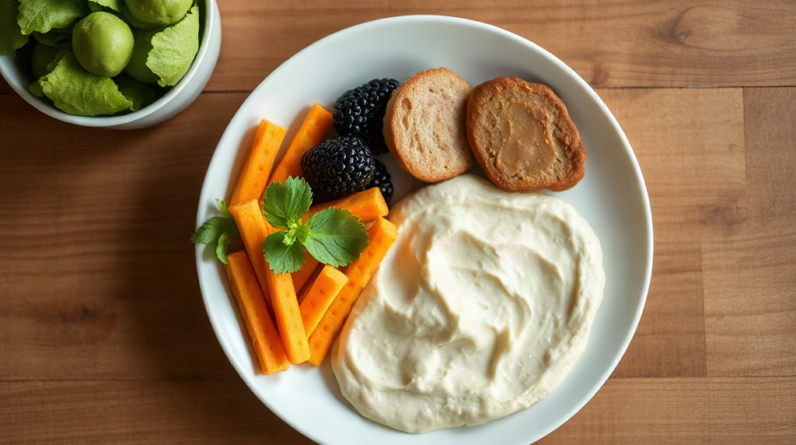
- Five-minute assembly: whole-grain pita, hummus, sliced vegetables, fruit, and yogurt.
- Reheated batch meal: bean chili with rice and a bagged salad.
- Planned purchase: a grain-and-protein bowl with vegetables and sauce served separately.
The best choice depends on refrigeration, reheating access, cost, and the time between packing and eating. Food safety matters when meals travel: use suitable cold packs and insulated containers, refrigerate perishable food promptly, and follow official guidance for safe storage and reheating.
A frequent weak assumption is that every day needs a different breakfast, lunch, and dinner. Repetition lowers decision load and makes quantities easier to predict. Two breakfasts, two lunches, and three dinner formats can still produce variety through sauces, vegetables, fruit, or seasonings. If repetition becomes boring, change one component rather than replacing the entire system.
Build a Flexible Food and Shopping Plan
A flexible shopping plan assigns ingredients more than one role. Spinach might go into omelets, grain bowls, and pasta; roasted chicken could become dinner, a sandwich filling, and a soup addition. Shared ingredients reduce waste, but too much overlap can make meals feel identical. Reuse the base while changing the flavor profile—for example, pair chickpeas with lemon and herbs one day, then tomatoes and curry spices another day.
Start with foods already in the refrigerator, freezer, and pantry. Check dates, note opened packages, and identify anything that should be used early in the week. Build the first meals around delicate produce, fresh fish, or other short-lived items. Save frozen vegetables, canned fish, dry pasta, shelf-stable grains, and freezer portions for later or for schedule disruptions. Shopping without this inventory check often creates duplicates while leaving the ingredients needed to complete a meal unpurchased.
Organize the list by function as well as store section. Proteins might include eggs, tofu, beans, yogurt, fish, or poultry. Produce can combine fresh options for early use with frozen choices for later. Carbohydrate sources may include oats, potatoes, rice, bread, tortillas, or pasta. Sauces, herbs, cheese, nuts, seeds, and spices provide flavor, but they should connect to the planned meals rather than enter the cart as unrelated aspirations.
Budget and time sometimes point in different directions. Dry beans generally demand more planning than canned beans; whole vegetables may cost less than precut ones but require additional labor. Choose convenience selectively where it removes a genuine bottleneck. If chopping is what repeatedly drives you toward takeout, washed greens or frozen chopped vegetables may justify their price. If cooking grains is easy but weekday seasoning is difficult, prepare plain rice ahead and keep two distinct sauces available.
Include two backup meals that require little thought and use durable ingredients. Pasta with canned tomatoes and white beans, a frozen vegetable stir-fry with eggs, or soup paired with toast can cover a delayed commute or missed shopping trip. A backup is not an extra scheduled dinner; it is capacity for uncertainty.
The shopping list should also reflect package size. Planning one serving of an ingredient sold only in a large package can create waste unless the remainder has another use or can be frozen. The strongest version of building a meal plan around a weekly schedule connects portion counts, package sizes, storage life, and the sequence in which foods will be eaten.
Use Prep Windows Without Losing Your Weekend
Meal preparation works best when it targets weekday bottlenecks rather than attempting to cook every dish in advance. Identify the tasks that consume time when you have the least of it: washing produce, cooking grains, portioning lunches, thawing proteins, or deciding what to eat. Completing two or three of those jobs may provide more value than spending an entire day producing finished meals you may not want later.
Good Health Solution is Easier Than Most People Think! Take a Look for Yourself!
A compact prep session can follow a deliberate order. First, start the longest unattended item, such as rice or a tray of vegetables. Next, prepare a protein or bean mixture. While those cook, wash produce, mix a sauce, and pack the next day’s lunch. Cool cooked foods promptly, divide large batches into shallow containers when appropriate, label them, and refrigerate or freeze portions according to established food-safety guidance. Avoid leaving perishable food at room temperature while completing other chores.
Component preparation offers more flexibility than fully assembled meals. Cooked quinoa, roasted vegetables, chickpeas, and a lemon dressing can become a bowl, a salad, or a wrap. Fully assembled meals are faster during the week, but texture may deteriorate and appetite can change. Components require a few minutes of daily assembly but make substitutions easier. Choose finished meals when every minute is constrained; choose components when variety and adaptability matter more.
Use smaller prep windows if a long weekend session is unrealistic. Ten minutes after grocery shopping can wash fruit and portion snacks. While dinner cooks, prepare overnight oats or pack leftovers. A midweek 20-minute reset can replenish chopped vegetables and move a freezer meal into the refrigerator to thaw safely. These short sessions distribute labor and reduce the risk that one interrupted Sunday derails the entire week.
Do not prep more food than storage space or household appetite can support. Five days of identical lunches may look efficient but go uneaten by day three. Begin with two or three prepared servings and note what is actually consumed. Freezing part of a batch also creates distance between repeat servings.
The common failure mode is maximizing production instead of reducing friction. Signs of over-preparation include crowded containers, forgotten leftovers, extensive cleanup, and reluctance to repeat the process. A workable schedule-based meal plan should save effort during difficult periods without transferring an unreasonable burden to the weekend.
Test the Plan and Fix Its Failure Points
A meal plan should be evaluated by what happens during the week, not by how complete the calendar appears. After several days, note which meals were eaten, which were skipped, when hunger appeared earlier than expected, and what food was discarded. These observations reveal whether portions, timing, access, or preferences need adjustment.
When the plan fails, identify the specific friction. If breakfast is repeatedly skipped, the problem may be an early departure rather than a lack of breakfast ideas; prepare something portable or schedule food for the first available break. If planned dinners are replaced by takeout, check whether cooking begins too late, ingredients require thawing, or cleanup feels excessive. If lunches leave you hungry, consider whether they contain enough food and whether protein, fiber-rich foods, and satisfying flavors are present for your needs.
Distinguish a disrupted week from a structural problem. An unexpected appointment does not prove the system is ineffective, especially if a freezer meal covers the gap. Repeated produce waste, however, suggests overbuying or poor meal sequencing. Regularly running out of food by Thursday indicates that serving estimates or snack needs are too low. Constant boredom points to excessive repetition, while a long grocery list may signal too many unrelated recipes.
Use a short weekly check:
- Keep the meals that fit their assigned time windows.
- Replace one meal that required too much labor or equipment.
- Adjust quantities based on leftovers and hunger.
- Restock one dependable backup before it is needed.
- Move unfinished ingredients into the next plan before buying substitutes.
Change one or two variables at a time. Rebuilding the entire plan makes it difficult to tell whether timing, food choice, or preparation method caused the improvement. Success does not require perfect adherence. It looks like fewer last-minute decisions, food available at realistic eating times, manageable waste, and preparation effort that fits the household’s energy and budget. If those outcomes are absent for several weeks, simplify the number of meals and rely more heavily on repeatable formats before adding variety.
Frequently Asked Questions
How many meals should I plan at once?
Plan only the meals for which you are responsible and likely to eat at home or pack. A three- to five-day plan is often easier to estimate than a full week, especially when schedules change frequently.
What if my work schedule changes every week?
Use meal formats instead of assigning fixed recipes to weekdays. Keep options for open, limited, and no-cook periods, then place them on the calendar after each new schedule is released.
Should I meal-prep every meal in advance?
No. Prepare the components or meals that remove your biggest time barriers. Over-preparing can create food waste, repetition fatigue, and a long cleanup session that is difficult to sustain.
How can I plan meals when I do not have time to cook?
Combine quick foods such as canned beans, eggs, yogurt, frozen vegetables, precooked grains, whole-grain bread, fruit, and prepared proteins. Planned purchased meals can also fill specific gaps when they fit your budget.
What should I do when I miss my planned meal?
Use a designated pantry or freezer backup rather than abandoning the week’s plan. Move the missed meal to another suitable time, provided its ingredients remain safe and fresh enough to use.
Conclusion
A dependable plan reflects the week you actually have, including short breaks, late arrivals, variable energy, storage limits, and unexpected changes. Put demanding dishes in genuine cooking windows, reserve assembled or portable food for constrained periods, and buy ingredients that can serve more than one meal without making everything taste the same. Preparation should remove the tasks that repeatedly block you, not consume an entire day by default.
For the next week, map your available eating and cooking windows, choose three compatible meal formats, calculate the servings required, and add two durable backups. Review what was eaten and where the plan broke down. Small corrections to portions, timing, and preparation are more informative—and more sustainable—than replacing the whole menu after one difficult day.
 Good Health Solution is Easier Than Most People Think! Take a Look for Yourself!