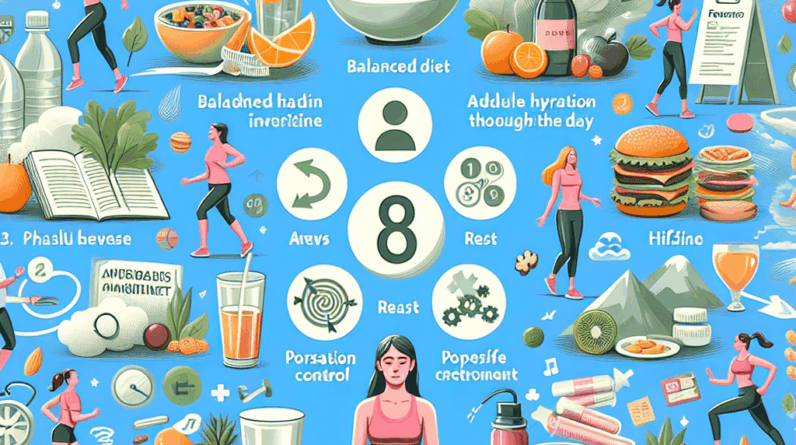
Healthy eating after a poor night of sleep works best when the day combines regular meals, protein, fiber-rich carbohydrates, water, and moderate caffeine rather than sugar-heavy snacks or skipped meals. Begin with a breakfast containing protein and slow-digesting carbohydrate, then eat at predictable intervals to manage fatigue-related hunger and cravings. Choose meals such as eggs with whole-grain toast, yogurt with oats and fruit, or beans with brown rice and vegetables. Keep caffeine earlier in the day, avoid using food as a substitute for rest, and plan an earlier bedtime because even a well-balanced one-day plan cannot erase the effects of insufficient sleep.
How Does Poor Sleep Change Food Choices?
A short night can make appetite feel less predictable and convenience foods more appealing. Fatigue reduces patience for shopping, cooking, and comparing options, while highly palatable foods offer a quick reward when concentration is low. Some people feel unusually hungry; others have little appetite in the morning and become ravenous later. The practical response is not to assume that every urge reflects an immediate need for energy.
Sleep loss may affect signals involved in appetite, reward, and glucose regulation, although the strength of those effects varies by person and circumstance. A single poor night is different from ongoing sleep restriction, and it does not require a special detox or rigid diet. The more immediate concern is behavioral: an exhausted person may skip breakfast, rely on sweet coffee, postpone lunch, and then eat a large evening meal because the day lacked structure.
Distinguish physical hunger from a search for alertness. Physical hunger often builds gradually and makes several foods sound acceptable. Fatigue-driven craving may arrive as a specific demand for candy, pastries, chips, or another fast reward. That distinction is imperfect, so the goal is not to police every appetite signal. Use it to decide whether a balanced meal, a planned snack, water, a short walk, or actual rest better matches the problem.
For example, an office worker who slept four hours may reach for a muffin at 10 a.m. after drinking only coffee. The muffin is not inherently off-limits, but eating it alone may provide less staying power than pairing it with plain yogurt or a couple of eggs. The better comparison is not “good” food versus “bad” food; it is a meal that supplies protein and fiber versus one that leaves the person searching for another snack soon afterward.
A common mistake is trying to compensate by eating as little as possible. Restriction can intensify the cycle of delayed eating and evening overeating, especially when decision-making is already strained. Keep the day simple instead: retain normal meal times, use familiar foods, and assemble meals from a protein source, a fiber-containing carbohydrate, and produce. If poor sleep and appetite disruption happen frequently, the sleep pattern itself deserves attention rather than repeated dietary workarounds.
How Should You Build Breakfast After a Bad Night?
Breakfast should be sized to genuine appetite while providing more than caffeine and refined carbohydrate. A useful combination includes protein, a minimally processed carbohydrate, and fruit or vegetables. Protein and fiber generally make a meal more substantial, while carbohydrates supply usable energy after the overnight fast. Fat can add satisfaction, but a very heavy meal may feel uncomfortable when fatigue already causes sluggishness.
Practical choices include oatmeal topped with Greek yogurt and berries; eggs with whole-grain toast and tomatoes; or a smoothie made with milk or fortified soy beverage, fruit, oats, and nut butter. A smoothie can suit someone with low morning appetite, but it should contain more than juice and fruit if it is replacing a meal. Someone who prefers savory food could reheat beans and rice, add an egg, or eat leftovers. Breakfast does not need to resemble traditional breakfast food.
If a full meal sounds unappealing, use a split breakfast. Eat a small portion soon after waking, such as yogurt with fruit, and save whole-grain toast with peanut butter for midmorning. This works better than forcing a large plate or waiting until intense hunger develops. People with diabetes, digestive conditions, food allergies, or prescribed meal schedules may need an individualized approach from a qualified clinician or registered dietitian.
Sweetened cereal, a pastry, or flavored coffee can fit into a meal, but each is less useful as the entire meal. Pair cereal with milk and nuts, add eggs to toast with jam, or order a breakfast sandwich with a piece of fruit instead of relying on a sugary drink alone. These adjustments preserve convenience without pretending an exhausted morning will include elaborate cooking.
The sign that breakfast is working is not a dramatic burst of energy. A more realistic outcome is manageable hunger and enough steadiness to reach lunch without constant grazing. If nausea, bloating, or discomfort follows a large breakfast, reduce the portion and divide it into two eating occasions. If hunger returns quickly, check whether the meal contained a meaningful protein source and fiber rather than simply adding more sugar for rapid stimulation.
A Practical One-Day Meal and Snack Plan
A recovery-day eating plan should reduce decisions rather than impose perfect nutrition. Keep meals at roughly familiar times and leave room for a snack when there is a long gap. Exact timing depends on wake time, work demands, medication schedules, activity, and usual habits. The priority is preventing an accidental pattern of coffee all morning followed by uncontrolled hunger late in the day.
| Time of day | Meal focus | Practical example |
|---|---|---|
| After waking | Water and a balanced breakfast | Oats, yogurt, berries, and walnuts |
| Midmorning, if hungry | Protein plus produce | Apple with peanut butter |
| Lunch | Protein, vegetables, and a fiber-rich carbohydrate | Chicken or chickpea grain bowl |
| Afternoon, if needed | Planned snack rather than grazing | Hummus with carrots and whole-grain crackers |
| Evening | Familiar, moderate dinner | Salmon or tofu, potatoes, and green beans |
Lunch should be satisfying enough to prevent a vending-machine search an hour later, but it need not be oversized. A grain bowl can combine brown rice, chicken or chickpeas, roasted vegetables, and a tahini or yogurt-based sauce. A sandwich can work just as well when made with tuna, turkey, egg, hummus, or tofu and served with fruit or vegetable soup. Whole foods are useful, but convenience items such as frozen vegetables, canned beans, precooked grains, and rotisserie chicken can make the plan realistic.
Use a snack as a bridge, not as an attempt to manufacture wakefulness. Pairing two food groups usually provides more staying power than eating a sweet item by itself: cheese with fruit, edamame with an orange, or nuts with unsweetened yogurt are simple examples. If lunch is only two hours away and hunger is mild, eating the meal slightly earlier may make more sense than adding an extra snack.
Good Health Solution is Easier Than Most People Think! Take a Look for Yourself!
Dinner deserves restraint in both directions. Skipping it because earlier choices felt imperfect can lead to bedtime hunger, while using a huge meal as compensation may cause discomfort near sleep. Choose an ordinary portion and finish with enough time to notice whether you are comfortably satisfied. Spicy, very rich, or unusually large meals may be less appealing if they tend to disturb your sleep or digestion.
The plan is failing if eating becomes continuous, caffeine replaces meals, or intense evening hunger repeatedly follows daytime restriction. Adjust the next eating occasion rather than declaring the whole day lost. Add protein to lunch, schedule an afternoon snack, or keep a low-effort dinner available. The purpose is to stabilize the day while protecting the next night’s sleep, not to achieve a flawless menu under difficult conditions.
Caffeine, Hydration, and Common Recovery Mistakes
Caffeine may temporarily improve alertness, but it does not replace sleep and can complicate the following night when used late. Keep intake close to your normal amount rather than escalating through repeated coffees or energy drinks. Individual sensitivity differs, so someone who notices that afternoon caffeine delays sleep should stop earlier than someone who metabolizes it without an obvious effect. Coffee or tea is generally easier to evaluate than a large energy drink that also contains substantial sweetener or multiple stimulants.
Drink water through the day, especially if fatigue is accompanied by headache or dry mouth, but do not assume every tired feeling is dehydration. Water will not correct sleep loss. A practical check is whether thirst and urine color suggest you have fallen behind your normal hydration pattern. Drinking excessive amounts offers no special recovery advantage and may be inappropriate for people with fluid restrictions or certain medical conditions.
Another frequent mistake is chasing energy with a cycle of sweets and stimulants. A sweet snack can provide carbohydrate, and there is no need to treat it as forbidden. The problem arises when it repeatedly displaces meals containing protein, fiber, and micronutrient-rich foods. If you want chocolate in the afternoon, for example, eat a reasonable amount alongside nuts or after a balanced lunch rather than expecting it to carry you through the rest of the workday.
Alcohol is also a poor recovery tool. It may feel sedating, but sedation is not the same as restorative sleep, and alcohol can leave some people feeling worse the next morning. A late, heavy meal paired with alcohol may further undermine the attempt to return to a normal bedtime. Choose a regular dinner and a nonalcoholic drink when the priority is giving the next sleep opportunity a fair chance.
Food cannot cancel safety risks caused by severe drowsiness. If you are struggling to keep your eyes open, do not assume coffee or a snack makes driving, operating equipment, or another attention-sensitive task safe. Persistent daytime sleepiness, repeated insomnia, loud snoring with breathing pauses, or fatigue that interferes with daily functioning warrants discussion with a qualified healthcare professional. Nutrition can support a difficult day, but recurring sleep problems require attention to their cause.
Frequently Asked Questions
Should I eat more after a poor night of sleep?
Not automatically. Follow your hunger while keeping normal meal structure; extra food is unlikely to replace missing sleep, while deliberate restriction may contribute to stronger cravings later.
What is the best quick breakfast when I am exhausted?
Try Greek yogurt with oats and fruit, eggs on whole-grain toast, or a smoothie containing milk or fortified soy beverage, fruit, oats, and nut butter.
Is coffee on an empty stomach a bad idea?
Tolerance varies. If coffee alone causes shakiness, nausea, or rapid hunger, have it with breakfast and avoid increasing the amount simply because you slept poorly.
Should I avoid carbohydrates after losing sleep?
No. Carbohydrates are a normal energy source. Favor options such as oats, beans, potatoes, fruit, and whole grains, and pair them with protein rather than relying only on refined sweets.
Can any food make up for a sleepless night?
No single food reverses sleep loss. Balanced meals may make hunger and energy easier to manage, but recovery still depends primarily on obtaining adequate sleep.
Conclusion
Treat the day after poor sleep as a day for structure, not compensation. Eat familiar meals at predictable times, include protein and fiber-rich carbohydrate, and use a planned snack if a long gap would otherwise lead to intense hunger. Convenience is acceptable: canned beans, frozen vegetables, yogurt, eggs, precooked grains, and simple sandwiches can produce a balanced day with little effort.
Keep caffeine near your usual intake and early enough that it does not interfere with the next sleep opportunity. Notice whether meals leave you comfortably satisfied, whether grazing is replacing lunch, and whether evening hunger signals that you under-ate earlier. Most importantly, do not treat food or stimulants as proof that severe drowsiness is safe. Return to a normal bedtime routine, and seek professional guidance when poor sleep or excessive daytime fatigue becomes persistent.
 Good Health Solution is Easier Than Most People Think! Take a Look for Yourself!