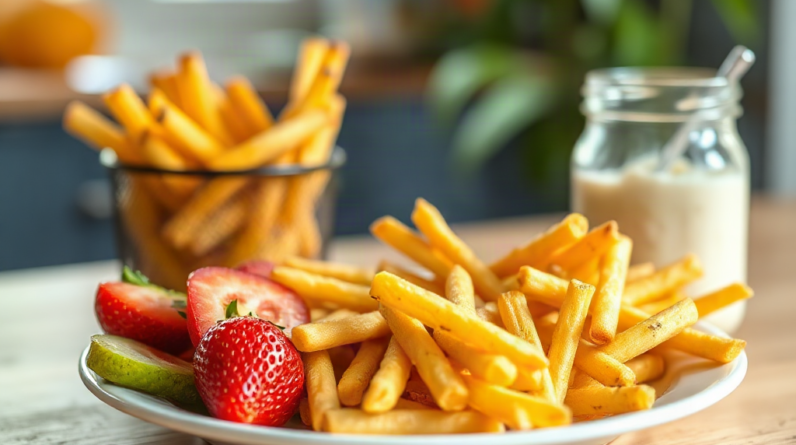
Snacks in a balanced diet can bridge long gaps between meals, provide needed nutrients, and prevent hunger from becoming distracting, but they are optional rather than a dietary requirement. Useful snacks usually combine protein, fiber, or unsaturated fat, such as yogurt with fruit or vegetables with hummus, because these pairings tend to satisfy longer than refined carbohydrates alone. Portions should reflect appetite, activity, and the timing of the next meal instead of matching a fixed snack rule. Frequent grazing, oversized servings, and eating from packages can quietly displace meals or add more energy than intended.
When Snacks Serve a Useful Dietary Purpose
A snack earns its place by solving a specific need between meals. It might ease physical hunger during a long afternoon, supply nutrients that were missing earlier, or provide convenient fuel around exercise. Someone who eats lunch at noon and dinner at 8 p.m., for example, may find that a planned afternoon snack makes it easier to arrive at dinner comfortably hungry rather than ravenous.
Snacking is not automatically healthier than eating three meals, nor is skipping snacks inherently better. The useful question is whether a snack improves the structure and nutritional quality of the day. A child with a small appetite, an older adult who struggles to eat large meals, or a physically active person may benefit from additional eating opportunities. A person who routinely eats satisfying meals four hours apart may have no reason to add one.
Physical hunger commonly develops gradually and can be satisfied by several different foods. A passing desire for one highly specific food may instead reflect habit, boredom, stress, easy availability, or a learned cue such as watching television. That distinction need not become a rigid test. It simply helps identify whether the body needs nourishment or the eating occasion is serving another purpose.
Nutrient contribution matters as much as hunger control. Fruit can add fiber, vitamin C, potassium, and fluid; plain yogurt may provide protein and calcium; nuts and seeds supply unsaturated fats along with minerals. By contrast, a snack dominated by refined flour, added sugars, or salt may provide energy without addressing nutritional gaps. Such foods can still fit occasionally, but calling every between-meal food a snack does not make every choice nutritionally equivalent.
The practical role of snacks in a balanced diet is therefore individual and situational. Before eating, check the length of time until the next meal, the strength of hunger, recent activity, and whether the day has included produce, protein-rich foods, and other nutrient-dense choices. If the next meal is close, waiting may be comfortable. If it is hours away and hunger is affecting concentration or mood, a deliberate snack is often more useful than repeated bites taken without a clear endpoint.
Building a Snack That Satisfies
A satisfying snack generally contains more than a quickly digested carbohydrate. Fiber adds volume and slows the eating experience, protein tends to improve staying power, and unsaturated fat can make a modest portion more satisfying. Combining two of these elements often works better than relying on crackers, sweets, juice, or another carbohydrate-only choice.
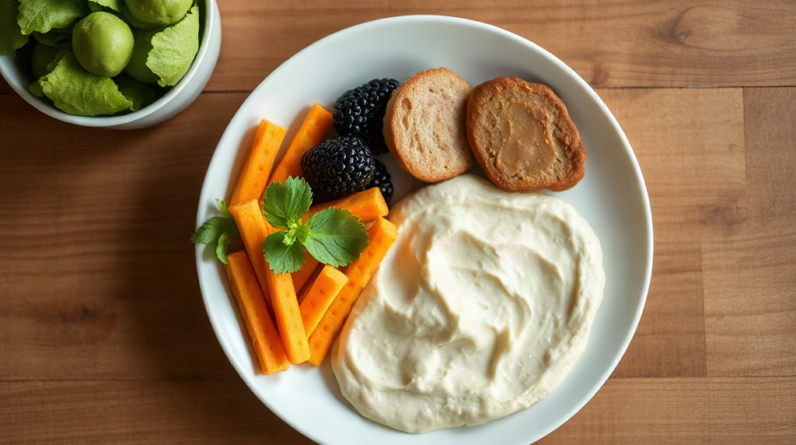
Pairing does not have to be complicated. An apple with peanut butter offers carbohydrate and fiber alongside fat and some protein. Plain yogurt with berries combines protein, carbohydrate, and fruit. Carrots with hummus provide fiber, fluid, and a legume-based dip. Whole-grain toast with an egg is more substantial and may suit a long interval before dinner. If a meal is less than an hour away, a smaller piece of fruit may be enough.
Whole and minimally processed foods often make useful foundations because their structure, fiber, and water contribute to fullness. Processing itself is not a reliable measure of quality, however. Frozen fruit, canned beans, whole-grain crispbread, and unsweetened yogurt are processed yet can be practical choices. The more meaningful comparison is between products based on ingredients, nutrient contribution, portion size, and purpose. A packaged snack can be convenient without needing a health halo.
Labels help when foods vary widely. Compare serving size with the amount you actually expect to eat, then review protein, fiber, added sugars, saturated fat, and sodium in the context of the rest of the day. A protein bar may be useful during travel, but it can also resemble confectionery in portion and composition. Trail mix offers nuts and dried fruit, yet its concentrated nature makes eating several handfuls easy. Neither product is automatically good or bad; both require attention to quantity and context.
A compact pairing checklist can simplify decisions:
- Choose a base: fruit, vegetables, whole grains, yogurt, beans, eggs, nuts, or seeds.
- Add staying power when needed: pair produce or whole grains with protein or unsaturated fat.
- Match convenience: select foods that can be stored and carried safely in the setting where they will be eaten.
- Keep the purpose visible: use a snack to bridge a gap, not to replace every incomplete meal.
Perfection is unnecessary. A snack should complement meals over time, not carry the full burden of dietary balance. Readers exploring the role of snacks in a balanced diet should prioritize repeatable pairings they enjoy and can afford rather than specialty products marketed specifically for snacking.
Matching Portions and Timing to Real Needs
Appropriate snack size depends on how hungry someone is, what they have eaten, their activity, and how soon the next meal will occur. A universal calorie target cannot account for those differences. The same yogurt-and-fruit combination might be adequate for an office worker two hours before dinner but insufficient for an athlete after a demanding practice.
Timing works best when it responds to a predictable gap rather than an arbitrary schedule. If breakfast is early and lunch is late, a midmorning snack may preserve concentration. If lunch and dinner are close together, routine afternoon eating may simply reflect the sight of food or a calendar reminder. Before adding a snack, identify what typically happens without it: manageable hunger suggests it may be unnecessary, while shakiness, irritability, poor concentration, or arriving at the next meal excessively hungry may justify an adjustment. Persistent or severe symptoms warrant discussion with a qualified health professional rather than self-diagnosis through snack timing.
Portioning food before eating creates a natural stopping point. Pour nuts into a small bowl, place crackers beside cheese on a plate, or divide a larger yogurt container rather than repeatedly returning to it. Eating directly from a family-size package makes quantity difficult to judge, especially while driving, working, gaming, or watching a screen. The goal is not strict control; it is enough visibility to notice whether the amount matches the original need.
Good Health Solution is Easier Than Most People Think! Take a Look for Yourself!
Exercise adds another layer. A light workout near a regular meal may require no special snack. Before longer or more demanding activity, easily tolerated carbohydrate foods may be useful, while a post-activity snack containing carbohydrate and protein can be convenient when a full meal is not coming soon. Individual tolerance matters: high-fat or very high-fiber foods immediately before vigorous movement may feel uncomfortable for some people.
Signs that timing and portions are working include steady comfort between meals, enjoyment without preoccupation, and normal appetite when the next meal arrives. Warning signs include never feeling hungry for meals, escalating portions, constant grazing, or needing multiple snacks to compensate for meals that lack protein, fiber, or sufficient food. In that case, strengthen the meal first. Adjusting breakfast or lunch may solve the pattern more effectively than adding another eating occasion. That distinction is central to the role of snacks in a balanced diet.
Recognizing When Snacking Is Working Against You
Snacking becomes counterproductive when it repeatedly overrides appetite signals, crowds out nourishing meals, or turns into continuous eating without clear hunger or satisfaction. The issue is usually the pattern rather than a single cookie, late snack, or busy day. Occasional flexibility belongs in a balanced eating pattern; repeated habits deserve closer examination when they leave a person uncomfortable or poorly nourished.
Mindless grazing is a common failure mode because small amounts feel insignificant in isolation. A few bites while cooking, food from a coworker’s desk, and handfuls from an open bag may collectively become substantial without ever feeling like an eating occasion. Creating a defined start and finish—choosing a portion, sitting down when possible, and putting the food away afterward—makes the pattern easier to evaluate.
Another weak assumption is that “healthy” foods need no portion awareness. Nuts, nut butter, dried fruit, granola, cheese, and energy bites can provide useful nutrients, but they are compact and easy to consume quickly. Fresh fruit and vegetables generally contain more water and volume, although they may not satisfy for long when eaten alone. Pairing a high-volume food with a modest amount of protein or fat often provides a better balance than either extreme.
Late-night eating is not inherently harmful, particularly for people who work shifts, exercise in the evening, or eat an early dinner. The concern is what drives it and what follows. A planned snack for genuine hunger differs from eating through fatigue, stress, or entertainment until bedtime. Large, rich portions may also aggravate reflux or disrupt comfort for some people. Moving dinner later, making it more substantial, or setting aside a defined evening portion may work better than imposing a blanket prohibition.
Use a short review before changing the entire diet. For several days, notice when snacks occur, what was eaten, the approximate hunger beforehand, and how you felt afterward. If snacks consistently restore comfortable energy and leave room for meals, the pattern is probably serving its purpose. If they produce sluggishness, digestive discomfort, guilt, or reduced meal appetite, alter one variable at a time: improve the pairing, reduce the portion, change the timing, or address an inadequate meal. People with diabetes, food allergies, gastrointestinal conditions, eating-disorder histories, pregnancy-related needs, or prescribed dietary plans should individualize changes with an appropriate clinician.
Frequently Asked Questions
Are snacks necessary for a balanced diet?
No. Snacks are optional eating occasions that can be useful when meals are widely spaced, appetite is limited, or activity raises energy needs. Satisfying meals may make them unnecessary.
What makes a snack filling?
Protein, fiber, and unsaturated fat generally provide more staying power than refined carbohydrate alone. Examples include fruit with nuts, yogurt with berries, or vegetables with hummus.
Can packaged snacks fit into a balanced diet?
Yes. Compare the serving size and ingredients with your needs, and consider protein, fiber, added sugars, sodium, and how the product complements the rest of the day.
How can I tell whether I am hungry or simply bored?
Physical hunger often develops gradually and accepts several food options. Cue-driven appetite may appear suddenly around a specific activity or food, though the distinction is not always clear-cut.
Is eating a snack at night unhealthy?
Not automatically. Consider genuine hunger, meal timing, portion size, sleep comfort, and reflux symptoms. A defined snack may be more suitable than unplanned grazing.
Conclusion
Useful snacking is intentional, proportionate, and connected to the rest of the day. Start by deciding whether there is a genuine gap to bridge, then select a portion that fits the time until the next meal. Pair produce or whole grains with protein or unsaturated fat when longer-lasting satisfaction is needed, and use packaged options according to their actual composition rather than marketing claims.
If snacking regularly spoils meal appetite, becomes constant, or leaves hunger unresolved, examine meal quality and eating cues before adding more food rules. Change one feature—pairing, quantity, timing, or setting—and observe the result. Individual medical and nutritional needs may require professional guidance, but for most people the clearest standard is practical: snacks should add nourishment or useful fuel without quietly replacing balanced meals.
 Good Health Solution is Easier Than Most People Think! Take a Look for Yourself!
Further Reading
Authoritative Sources
- Eating a balanced diet
nhs.ukFruit and vegetables are a good source of vitamins and minerals and fibre, and should make up just over a third of the food you eat each day. It's recommended ...
- Effects of Diet on Sleep Quality - PMC
pmc.ncbi.nlm.nih.govStudies have shown that short sleepers have higher energy intakes, notably from fat (4, 5) and snacks (6), than do normal sleepers.
- MIND diet slows cognitive decline with aging - PubMed - NIH
pubmed.ncbi.nlm.nih.govThe study findings suggest that the MIND diet substantially slows cognitive decline with age. Replication of these findings in a dietary intervention trial ...