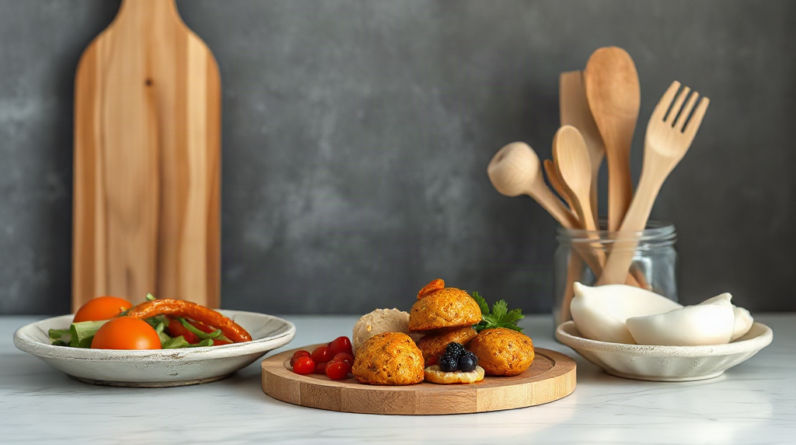
Thirty-minute family meals for busy evenings work best when dinner is organized into four steps: choose a fast-cooking protein, pair it with quick vegetables and a simple starch, use one flavor base, and overlap preparation tasks. Thin chicken cutlets, eggs, canned beans, frozen vegetables, couscous, and refrigerated grains reduce cooking time without limiting variety. Start the slowest component first, then prepare ingredients while it cooks. Keep the menu realistic by limiting complicated garnishes and separate side dishes.
How Does the Four-Step Dinner Method Work?
The four-step method treats dinner as a set of coordinated components rather than a demanding recipe. The cook chooses a protein, vegetables, a starch, and a flavor base, then makes sure all four can be ready on the same short schedule. This approach works because weeknight delays often come from mismatched timing: rice needs 40 minutes, vegetables require extensive chopping, or a thick piece of meat takes longer than expected. Selecting components by cooking time prevents those conflicts before the stove is turned on.
The first step is to choose the ingredient that controls the schedule, usually the protein or starch. Eggs, canned beans, tofu cubes, ground meat, thin cutlets, and modest fish fillets are practical because their size supports quick, even cooking. A full chicken breast may be too thick for a predictable half-hour meal, but slicing it horizontally into thin cutlets changes the timing without reducing the required degree of doneness. Raw meat and seafood must still reach an appropriate safe internal temperature. Speed should come from portion size and cooking method, not from serving food before it is safely cooked.
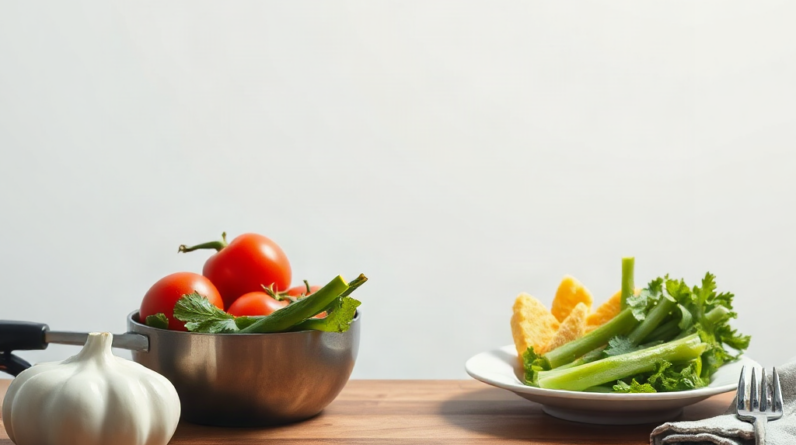
Step two is to add one or two vegetables with limited preparation. Shredded cabbage, baby spinach, frozen peas, broccoli florets, sliced mushrooms, cherry tomatoes, and bagged green beans can move from refrigerator or freezer to pan with little handling. Similar-sized pieces cook more evenly, while an overcrowded skillet traps moisture and encourages steaming rather than browning. If crisp edges matter, use a wide pan or cook the vegetables before adding a sauce. If tenderness matters more, a covered skillet can use steam to shorten the cooking time.
The third step is to select a starch that fits the same window. Couscous can hydrate while the main pan cooks, pasta can boil as a sauce is assembled, and tortillas or bread may need only warming. Refrigerated cooked grains are useful when reheated thoroughly with a splash of water or broth. Potatoes can also fit, but they should be cut into small, even cubes or softened briefly in the microwave before going into a skillet. Traditional brown rice, whole baked potatoes, and other long-cooking starches are better reserved for evenings when they were prepared earlier or can be started well in advance.
Step four is to connect the components with one clear flavor direction. Pesto and lemon can season chicken, pasta, and green beans. Salsa, lime, and a little cheese can unite black beans, cabbage, and tortillas. Curry paste and coconut milk can turn tofu, frozen vegetables, and quick-cooking noodles into one coherent dish. Using one flavor base reduces measuring and prevents the meal from becoming a collection of unrelated sides. Because prepared sauces vary in sodium, sweetness, heat, and allergens, labels should be checked against the household’s needs.
For example, a chicken couscous dinner can begin with water heating for couscous. While it heats, thin chicken cutlets are seasoned and placed in a skillet. Broccoli florets cook beside the chicken or in a second pan, depending on available space. Once the couscous hydrates, pesto and lemon are folded through it, and the same mixture can lightly dress the broccoli. The sequence uses inactive cooking time for preparation instead of completing every task before cooking begins.
This differs from traditional recipe-first planning, which may require several specialty ingredients, separate sauces, and a fixed sequence. A detailed recipe can provide precise results, but it may be less tolerant of a missing ingredient or an interruption. The component method offers more flexibility, although it asks the cook to make a few judgment calls about seasoning and doneness. Families can reduce that uncertainty by keeping two or three familiar combinations in rotation.
The practical implication is that a 30-minute limit should shape the menu itself. Adding a homemade dressing, elaborate garnish, and separate side may turn a manageable meal into a rushed one. Four compatible components are usually enough. When an evening is especially unpredictable, choose ingredients with a forgiving finish time, such as beans, ground meat, sturdy vegetables, or a covered grain, rather than foods that become dry or overcooked within minutes.
Which Ingredients Can Reliably Cook in 30 Minutes?
Reliable 30-minute ingredients share at least one useful trait: they are naturally quick to cook, cut into small portions, or partially prepared before purchase. Reliability matters as much as raw speed. A thin fish fillet may cook in minutes, but it can dry out if a child needs attention at the wrong moment. Canned chickpeas take slightly longer to heat and season, yet they tolerate delays well. The best choice therefore depends on both the clock and the amount of attention available that evening.
For protein, eggs, tofu, canned beans, lentils sold fully cooked, ground meat, thin poultry cutlets, and appropriately sized seafood portions can fit the schedule. Small pieces expose more surface area to heat, so they cook faster than thick portions. Ground meat also browns quickly when spread across a wide skillet instead of left in large clumps. Canned beans should be drained and rinsed when appropriate, then heated with a sauce or seasoning so they absorb flavor. Tofu browns more effectively when excess surface moisture is removed and the cubes are given room in the pan.
Vegetables are dependable when they need little trimming and cook evenly. Frozen peas, corn, spinach, shelled edamame, mixed vegetables, and broccoli florets remove most of the washing and cutting work. Fresh options such as zucchini, mushrooms, snap peas, shredded cabbage, prewashed greens, and cherry tomatoes are similarly efficient. Frozen produce is not automatically slower or less useful than fresh produce. It may release additional water, but that can be managed by using higher heat, avoiding an overcrowded pan, or adding the vegetables directly to soups and saucy skillets where extra moisture is not a drawback.
Quick starches include couscous, pasta shapes with moderate cooking times, tortillas, bread, instant polenta, and refrigerated cooked grains. Rice and potatoes require more careful selection. Quick-cooking rice or safely stored precooked rice can work, while many dry whole-grain varieties will not finish within the available window. Small potato cubes cook much faster than whole potatoes, especially when covered briefly or microwaved before browning. Package directions remain useful because products that appear similar can have substantially different cooking times.
| Meal part | Dependable choices | Preparation that saves time | Main timing concern |
|---|---|---|---|
| Protein | Eggs, tofu, canned beans, ground meat, thin cutlets | Drain, pat dry, crumble, or portion thinly | Meat and seafood still require safe doneness |
| Vegetables | Spinach, peas, broccoli florets, cabbage, mushrooms | Use frozen, prewashed, or evenly sliced options | Crowded pans can produce excess moisture |
| Starch | Couscous, pasta, tortillas, bread, cooked grains | Heat water first and reheat stored grains thoroughly | Some rice and potato preparations exceed 30 minutes |
| Flavor base | Pesto, salsa, curry paste, tomato sauce, yogurt sauce | Measure or mix while the main component cooks | Prepared products can be concentrated or salty |
Prepared flavor bases make the largest difference when they replace several separate tasks. Jarred tomato sauce avoids chopping aromatics and simmering tomatoes. Pesto supplies herbs, fat, seasoning, and richness in one spoonful. Salsa can function as both sauce and seasoning for a bean-and-vegetable skillet. Curry paste creates depth quickly when loosened with coconut milk or broth. These products should be tasted before extra salt, sugar, or heat is added, and substitutions may be needed for allergies or dietary preferences.
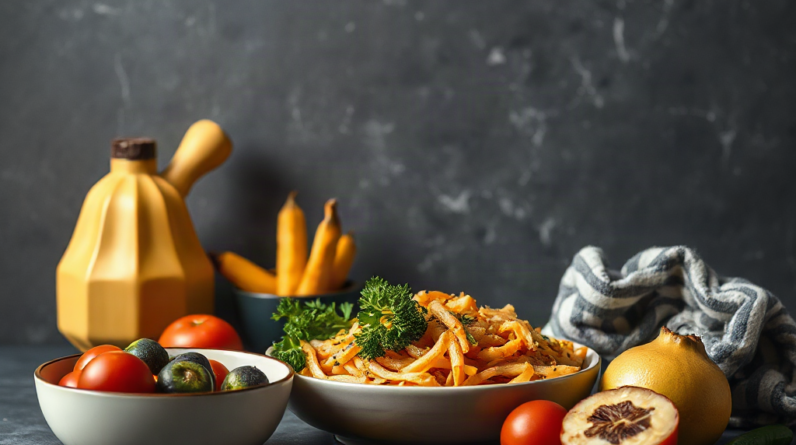
Consider two versions of a pasta dinner. One begins with whole vegetables that must be peeled and diced, meatballs that need shaping, and a sauce built and simmered from scratch. The other browns ground turkey, adds jarred tomato sauce and frozen spinach, then folds in cooked pasta. The first version offers more control over every ingredient and may suit a relaxed evening. The second leaves enough margin to drain pasta, set the table, and handle a brief interruption while still finishing near the 30-minute mark. Convenience is not inherently better, but it is strategically useful when it removes the labor most likely to derail dinner.
Shopping with this timing logic creates more options than buying for one rigid recipe. A useful combination might include two quick proteins, several low-preparation vegetables, one pantry starch, and two contrasting sauces. Ground meat, canned chickpeas, frozen broccoli, spinach, pasta, tortillas, tomato sauce, and salsa can produce multiple dinners without requiring unrelated specialty items. This also makes substitutions easier when an ingredient has spoiled or a family member wants a meatless serving.
The real-world test is not whether every ingredient can technically cook in half an hour; it is whether the entire meal can be prepared, cooked, and served in that period. Whole squash, dried beans, roasts, thick bone-in cuts, and long-cooking grains may be excellent foods, but they generally need advance preparation. On busy evenings, choosing ingredients with compatible cooking times and some tolerance for delay creates a more dependable family meal than trying to compress a slow recipe into an unsuitable schedule.
Meal Formats That Accommodate Different Family Preferences
Flexible meal formats reduce conflict because the main components can be served together or separately. Tacos, rice bowls, pasta skillets, flatbreads, soups, and egg-based suppers all permit small adjustments without requiring multiple dinners. The cook prepares one shared foundation, while each person chooses from a limited set of additions.
A taco dinner illustrates the approach. Warm tortillas while canned black beans simmer with cumin and a little salsa. Put shredded cabbage, grated cheese, diced avocado, and plain yogurt on the table. Someone who avoids spicy food can choose plain beans; another person can add hot sauce. The adaptation happens at serving time, so it does not double the preparation work. For younger children, unfamiliar components can be offered in small amounts beside familiar foods rather than hidden throughout the dish.
Bowls work similarly. Start with refrigerated brown rice or quick couscous, then add sautéed chicken strips or chickpeas, frozen broccoli, and a lemon-yogurt sauce. Keep the sauce separate if preferences differ. Vegetarian and meat options can sometimes share the same pan in sequence, but food-allergy needs require stricter separation and attention to cross-contact than ordinary taste preferences.
These formats are more efficient than accepting individual dinner requests, but they still need boundaries. Offering ten toppings creates chopping, extra dishes, and food waste. Two or three useful choices are usually enough. A practical rotation could include:
- Skillet night: protein, vegetables, sauce, and pasta or grains combined in one pan.
- Build-your-own night: tacos, bowls, or flatbreads with a shared base and a few toppings.
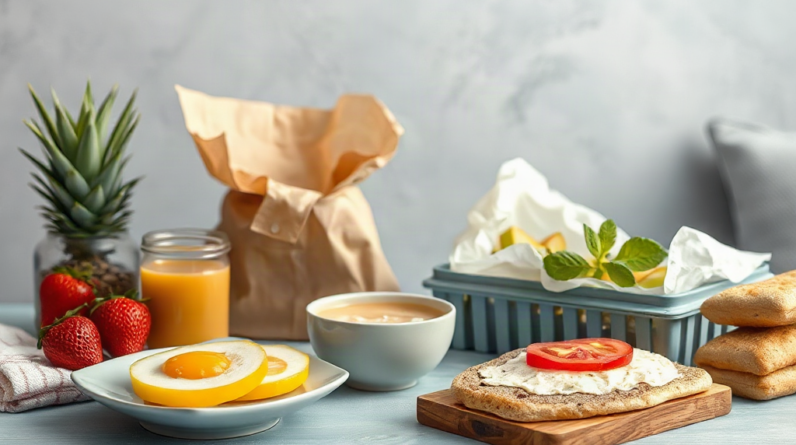
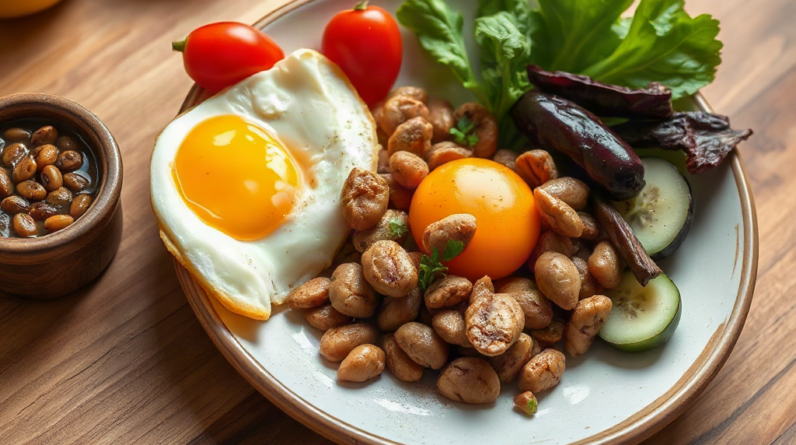
- Breakfast-style supper: eggs, whole-grain toast, fruit, and a quickly cooked vegetable.
- Soup-and-sandwich night: a simple vegetable or bean soup paired with toasted sandwiches.
The weak assumption is that every plate must look identical to count as one family meal. A better standard is shared core ingredients with controlled variation. If one person eats chickpeas instead of chicken or leaves sauce off the bowl, the kitchen is still producing one coordinated dinner. The format is failing when substitutions require separate pans, independent recipes, or a second round of cooking.
How Do You Keep Dinner on Schedule?
Thirty minutes should cover active preparation and cooking, so task order matters more than chopping speed. Read the full method before starting, clear enough counter space to work, and identify the component with the longest unattended cooking time. Preheating the oven for a recipe that cooks entirely on the stovetop wastes time; failing to boil pasta water early creates an avoidable delay.
Good Health Solution is Easier Than Most People Think! Take a Look for Yourself!
A useful sequence begins at minute zero with water, an oven, or a skillet heating. During that warm-up, gather ingredients and prepare the protein. Start the longest-cooking component by roughly minute five. Use the next ten minutes for vegetables and sauce, then combine or finish the parts between minutes 15 and 25. The final minutes provide a buffer for checking doneness, warming bread, setting the table, and correcting seasoning. This is a planning model rather than a guarantee; appliance strength, ingredient temperature, interruptions, and cooking experience affect the actual schedule.
Parallel work should involve safe, low-attention tasks. Pasta can boil while spinach wilts in a skillet, and couscous can rest while eggs cook. Trying to manage three high-heat pans at once often causes scorching or missed steps. A one-pan stir-fry plus microwaveable rice may be more dependable than an elaborate sheet-pan meal if the oven takes a long time to preheat.
Limited advance preparation can also preserve the evening window. Washing greens, mixing a sauce, or cooking a batch of grains on another day may help, provided foods are cooled promptly, refrigerated appropriately, and reheated safely. Labeling cooked components with the preparation date makes them easier to use while their quality is still good. When there is uncertainty about safe storage time or handling, consult current food-safety guidance rather than relying only on smell or appearance.
Signs the system is working include having all components ready within a few minutes of each other, using ingredients before they deteriorate, and finishing with a manageable number of dishes. Repeatedly waiting for one side dish signals a mismatch in cooking times. Burning food while chopping signals that preparation should happen before the pan becomes hot. Adjust the sequence or simplify the menu instead of trying to work faster under the same flawed plan.
What Should You Do When Dinner Runs Late?
A delayed dinner is best rescued by reducing unfinished work, not by increasing heat indiscriminately. First identify the bottleneck: an ingredient is taking too long, too many components remain, or the recipe demands more hands-on work than expected. Then remove, replace, or simplify that one element while protecting food safety.
If rice is still firm, switch the meal to tortillas or bread and refrigerate the rice once it has been handled and cooled appropriately for later use. If a tray of vegetables is roasting slowly, serve part of the meal with raw cucumbers, cherry tomatoes, fruit, or thawed peas instead. If chicken pieces are much thicker than expected, cover the pan to help them cook more evenly, reduce the heat if the exterior is browning too fast, and verify doneness before serving. Never use appearance alone to judge whether poultry or ground meat is safely cooked.
Keep two or three rescue foods available that require little preparation and fit existing dinners. Eggs can turn leftover vegetables into an omelet, canned beans can extend a small amount of taco filling, and frozen vegetables can replace produce that has spoiled. Bread, tortillas, shelf-stable couscous, and canned fish or legumes can bridge gaps between shopping trips. These are not merely emergency foods; they are schedule insurance.
The wrong rescue is often adding a second recipe because the first seems incomplete. A simple pasta with peas and white beans may not match the original plan, but it can provide starch, vegetables, protein, and fiber without another round of cooking. Balance across regular eating patterns matters more than forcing every rushed dinner to contain an elaborate set of dishes. Individual nutritional needs, allergies, medical diets, and feeding concerns may require advice from a qualified clinician or registered dietitian.
After dinner, note the reason for the delay in practical terms: cutlets were too thick, vegetables needed extensive trimming, or the sauce required constant stirring. Replace that ingredient, buy it in a more usable form, or reserve the recipe for a less crowded night. A 30-minute rotation becomes reliable through small corrections to real meals, not optimistic estimates printed for ideal kitchen conditions.
Frequently Asked Questions
What is the easiest type of 30-minute family dinner?
A skillet, taco bar, grain bowl, or egg-based supper is usually easiest because the components cook quickly and can be adjusted at the table without preparing separate meals.
Do frozen vegetables work well in quick dinners?
Yes. Frozen vegetables are washed and cut, and many can go directly into soups, pasta sauces, stir-fries, or microwave side dishes. Avoid crowding the pan if browning is the goal.
How can I make quick dinners more filling?
Combine a protein source with vegetables and a satisfying starch. Beans with rice, eggs with whole-grain toast, or chicken with couscous and broccoli offer more staying power than a small portion of vegetables alone.
Should meal-prep time count toward the 30 minutes?
For a realistic weeknight promise, count chopping, cooking, and final assembly. Advance batch preparation can shorten the evening workload, but it still requires time elsewhere in the week.
How many quick meals should a family keep in rotation?
Start with three or four dependable formats using ingredients the household already accepts. Add variety through sauces, vegetables, and proteins rather than learning a completely new method every night.
Conclusion
A useful weeknight rotation is built around dependable timing, not ambitious recipe claims. Choose proteins that cook in small portions, vegetables that need little trimming, and starches that can finish within the same window. Connect them with one flavor base, then schedule the tasks so heating, chopping, and cooking overlap safely.
Begin with three meal formats your household will actually eat, such as tacos, a pasta skillet, and breakfast-style supper. Stock a few rescue ingredients for evenings when the original plan stops working. After each dinner, adjust the ingredient or step that caused the delay instead of abandoning the entire method. The goal is not a perfectly composed plate every night; it is a varied, satisfying dinner that fits the available time, respects dietary needs, and does not create a second shift of cleanup.
 Good Health Solution is Easier Than Most People Think! Take a Look for Yourself!