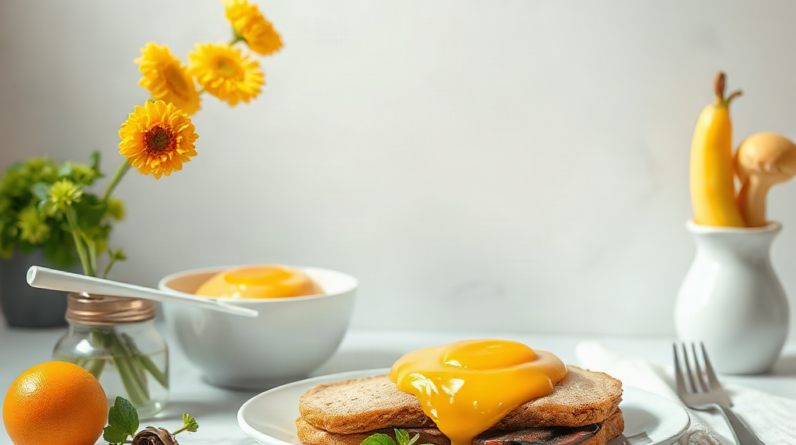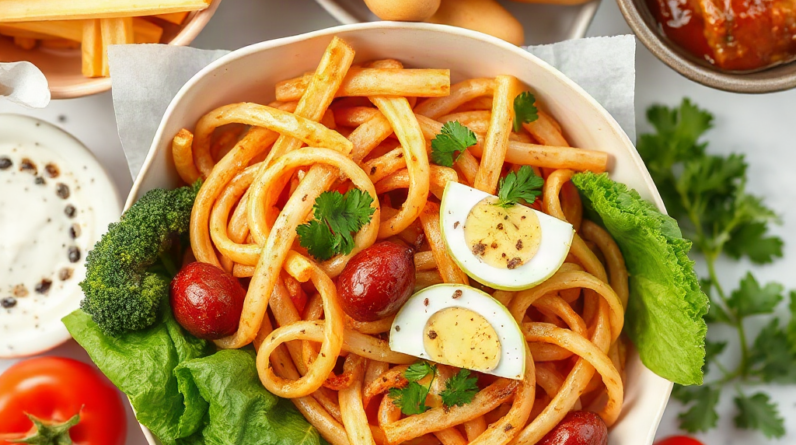
Healthy summer dinners using seasonal produce work best when vegetables or fruit set the direction, then protein, whole grains, and a flavorful sauce make the meal complete. Pair tomatoes with white beans, zucchini with chicken, corn with shrimp, or peaches with lentils and greens. Favor grilling, quick sautéing, and no-cook assembly to limit kitchen heat while preserving contrasting textures. Buy produce according to local ripeness rather than a rigid calendar, wash it under running water, refrigerate cut items promptly, and repurpose delicate ingredients early so appealing food does not become avoidable waste.
What Makes a Summer Dinner Satisfying?
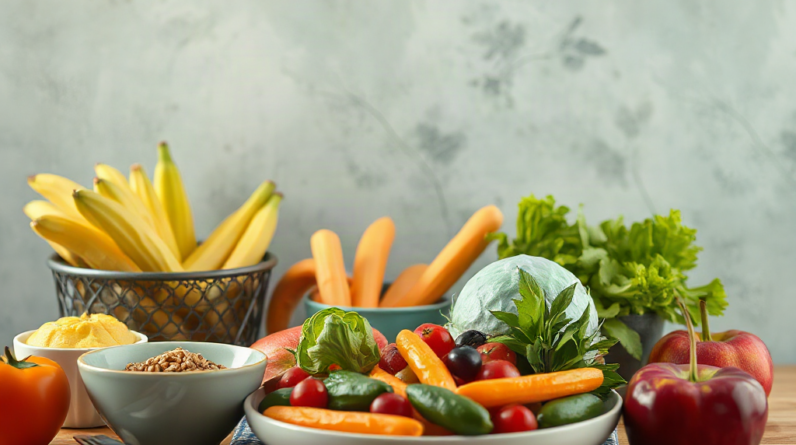
A satisfying summer plate needs more than a generous pile of vegetables. Seasonal tomatoes, cucumbers, peppers, zucchini, corn, eggplant, berries, peaches, and melons bring color, water, fiber, and varied textures, but most need a substantial partner. Adding beans, lentils, eggs, fish, poultry, tofu, yogurt, or cheese gives the dinner staying power. A whole grain, potato, corn tortilla, or piece of crusty whole-grain bread can round out the plate when appetite and activity call for it.
The most useful formula is produce plus protein plus a grounding carbohydrate, finished with fat and acidity. Fat carries flavor and makes lean ingredients feel less austere; olive oil, tahini, avocado, seeds, and nuts are practical choices. Lemon juice, vinegar, tomatoes, pickled onions, or yogurt supply acidity, which keeps ripe produce from tasting flat. Herbs and spices then create a clear direction without requiring a heavy sauce.
Consider a tomato and cucumber salad. Served alone, it may feel like a side dish. Add chickpeas, farro, feta, olive oil, lemon, and dill, and it becomes a composed dinner with creamy, chewy, crisp, and juicy elements. The same logic turns grilled zucchini into a meal when it is paired with chicken or tofu, brown rice, and a basil sauce. Portions should follow appetite rather than a universal ratio, especially for children, athletes, older adults, and people with specific nutrition needs.
A common mistake is treating “light” as synonymous with nutritionally thin. A dinner consisting only of raw vegetables and fruit may leave some people hungry soon afterward, while an oversized serving of pasta with a few tomato slices underuses the produce. Aim for visible abundance without pushing protein and energy-rich foods to the margins.
Another weak assumption is that seasonal automatically means local, inexpensive, or nutritionally superior in every case. Growing seasons differ by region, weather, and farming method. Frozen corn, peas, or berries remain useful when fresh choices are costly or disappointing, and canned beans or tomatoes can shorten preparation. The practical test is whether the ingredients are appealing, affordable, and likely to be eaten—not whether every component came from the same shopping aisle.
Seven Seasonal Produce Combinations That Work
Strong combinations balance sweetness, acidity, savoriness, and texture while sharing compatible cooking times. The produce can lead the meal, but it should not be forced into a recipe that hides its best quality. Very ripe tomatoes are better in a quick sauce or panzanella than on a grill, while firm zucchini and eggplant benefit from direct heat that browns their surfaces.
- Tomatoes, white beans, and whole-grain toast: Toss chopped tomatoes with cannellini beans, basil, olive oil, and red wine vinegar. Spoon the mixture over toast and add mozzarella if desired.
- Zucchini, chicken, and couscous: Grill zucchini planks beside chicken, then serve both over couscous with parsley and lemon. Tofu can replace the chicken with little change to the rest of the meal.
- Corn, shrimp, and black beans: Sauté corn kernels and shrimp briefly, then fold in black beans, lime, cabbage, and avocado. Serve in corn tortillas or over brown rice.
- Eggplant, lentils, and yogurt: Roast or grill eggplant until tender, then layer it with seasoned lentils, tomatoes, and a garlicky yogurt sauce. Use tahini sauce for a dairy-free version.
- Peaches, greens, and farro: Combine sliced peaches with peppery greens, cooked farro, toasted walnuts, and goat cheese. Lentils can replace the cheese when a plant-based protein is preferred.
- Peppers, eggs, and potatoes: Sauté sliced peppers with previously cooked potatoes, add beaten eggs, and cook as a skillet frittata. A green salad supplies a cool contrast.
- Cucumbers, salmon, and barley: Pair cooked salmon with chilled barley, cucumbers, herbs, and lemon-yogurt dressing. Canned salmon is a budget-conscious option that avoids heating the oven.
These are templates rather than fixed recipes. If peaches are firm and flavorless, use ripe melon or berries. If fresh salmon stretches the budget, substitute canned salmon, tuna, eggs, or chickpeas. Allergies, dietary preferences, and local availability should guide substitutions; a combination is only useful when the household can comfortably eat it.
Pay attention to water content. Cucumbers and tomatoes release liquid after salting, so grain salads can become soggy if assembled too early. Keep dressing separate, drain especially juicy produce, or place greens on top until serving. By contrast, lentil and bean dishes often improve after a short rest because the legumes absorb the dressing. Recognizing that difference prevents a fresh meal from becoming watery or dull.
How Should You Choose the Right Cooking Method?
Choose the cooking method according to the produce’s structure, ripeness, and the amount of indoor heat you can tolerate. Grilling suits sturdy vegetables such as corn, peppers, zucchini, onions, and eggplant because high heat creates browned edges before the interiors collapse. Quick skillet cooking works for green beans, cherry tomatoes, summer squash, and corn kernels. Raw preparation is best for ripe tomatoes, cucumbers, tender greens, melon, and stone fruit when their texture and flavor need little intervention.
High heat is not automatically better. Thick eggplant slices need enough time to soften fully; intense heat alone can leave a burned exterior and spongy center. Zucchini has the opposite problem: overcrowding a pan traps steam, producing limp pieces with little browning. Leave space between pieces, salt with restraint, and cook in batches if necessary. A wide skillet often delivers better results than a crowded sheet pan.
On a hot weekday, compare three versions of the same dinner. A no-cook tomato and white bean bowl takes the least energy but depends on flavorful tomatoes. A skillet version can soften underripe tomatoes and concentrate their juices. A grilled version adds smoke but requires outdoor equipment and more cleanup. The “healthiest” choice is not determined by the appliance; it is the option that produces an enjoyable, balanced dinner without excessive effort or unwanted additions.
Use this sequence when dinner needs to move quickly:
- Start the slow component: Put a grain on to cook, warm canned beans, or use a previously cooked base.
- Prepare the sauce: Mix lemon and olive oil, yogurt and herbs, or tahini and water before handling raw protein.
- Cook the protein and firm produce: Keep raw meat or seafood and its utensils separate from ready-to-eat ingredients.
- Add delicate produce last: Fold in herbs, greens, ripe fruit, and raw tomatoes shortly before serving.
- Adjust the finish: Taste for acidity, salt, texture, and temperature rather than adding more oil by default.
A meal is working when the vegetables retain character, the protein is properly cooked, and the sauce connects rather than overwhelms the ingredients. Warning signs include pooled water, mushy produce, scorched seasonings, or a plate that still feels incomplete. Correct those problems with crunch, acidity, a more substantial base, or a gentler cooking method next time—not by abandoning the produce.
Good Health Solution is Easier Than Most People Think! Take a Look for Yourself!
How Can You Shop, Store, and Use Produce Efficiently?
Shop for a flexible three-meal pattern instead of assigning every vegetable to one exact recipe. Select one delicate item to eat first, two sturdy vegetables for later, two protein options, and a dependable grain or legume. For example, use ripe peaches and greens on the first night, zucchini and chicken on the second, then peppers, eggs, and potatoes on the third. Shared herbs, lemons, and yogurt can flavor all three without making the dinners taste identical.
Ripeness should outrank a printed seasonal calendar. A peach that smells fragrant and yields slightly may be ready for dinner, while a hard one needs time at room temperature. Tomatoes generally retain better texture outside the refrigerator until fully ripe, although refrigeration can slow deterioration once they reach that point; letting chilled tomatoes warm before serving can improve their eating quality. Leafy greens and herbs usually benefit from refrigeration and protection from excess moisture.
Wash produce under clean running water before cutting or eating it, even when the peel will be removed. Avoid washing berries far ahead of use because retained moisture encourages faster deterioration. Cut fruit, prepared salads, cooked grains, seafood, meat, and other perishable components should not sit through a long, warm evening. Refrigerate leftovers promptly in shallow containers, and discard food when its safety is uncertain rather than relying only on smell.
Cost control comes from using ingredients in descending order of fragility. Tender herbs, ripe berries, cut melon, and soft greens deserve early attention. Peppers, cabbage, carrots, and unopened frozen vegetables provide backup later in the week. “Seasonal” shopping can become wasteful when people buy a large market haul without matching it to their schedule. A smaller quantity eaten at peak quality is usually more useful than a bargain box that cannot be finished.
Plan a deliberate second use for every high-risk ingredient. Extra corn can become a black bean salad; grilled peppers can be folded into eggs; herbs can be blended with yogurt; cooked barley can anchor a chilled cucumber bowl. Reuse should change the format or seasoning so dinner does not feel repetitive. If produce is soft but still sound, cooking may rescue its texture. Visible mold, sliminess, or an off odor is a reason to discard it, not conceal it in a sauce.
Households managing food allergies, digestive conditions, kidney disease, diabetes, or other medical concerns may need individualized choices and portions. Seasonal produce can fit many eating patterns, but it should not be presented as treatment. A registered dietitian or other qualified clinician can help adapt meals when potassium, carbohydrate, fiber, allergens, or food–medication interactions require closer attention.
Frequently Asked Questions
Which summer produce is easiest to build dinner around?
Tomatoes, zucchini, corn, peppers, eggplant, cucumbers, peaches, and leafy greens are versatile starting points. Choose the ripest affordable options locally, then add a protein and a grain, potato, bread, or tortilla as needed.
Can frozen vegetables be used in a summer dinner?
Yes. Frozen corn, peas, spinach, and berries can reduce waste and fill gaps when fresh produce is expensive or poor quality. Use them in cooked dishes rather than recipes that depend on a crisp raw texture.
How can I make a produce-heavy dinner more filling?
Add a meaningful source of protein, such as beans, lentils, eggs, fish, poultry, tofu, or yogurt, plus a suitable carbohydrate. Nuts, seeds, avocado, or olive oil can add richness and texture.
What summer dinners require little or no cooking?
Try tomato and white bean toast, a cucumber-barley bowl made with precooked grain, or peaches with greens, lentils, and walnuts. Canned beans or salmon and leftover grains keep preparation brief.
How do I keep summer salads from becoming watery?
Drain very juicy tomatoes or cucumbers, cool cooked ingredients before combining them with greens, and add dressing close to serving. Store wet components separately when preparing the meal ahead.
Conclusion
Let the best available produce determine the flavor of dinner, but build the rest of the plate with equal intention. A ripe tomato needs little cooking, sturdy eggplant benefits from sustained heat, and delicate peaches are often better added at the end. Pair those ingredients with a practical protein, an appropriate carbohydrate, and a bright sauce so the meal feels complete rather than merely light.
For the next shopping trip, choose produce for three flexible dinners, rank it by how quickly it must be used, and keep one frozen or shelf-stable backup. Cook firm ingredients first, protect raw and ready-to-eat foods from cross-contact, and refrigerate perishable leftovers promptly. This approach makes seasonal cooking responsive to price, ripeness, appetite, weather, and time—the constraints that actually shape a useful summer dinner.
 Good Health Solution is Easier Than Most People Think! Take a Look for Yourself!