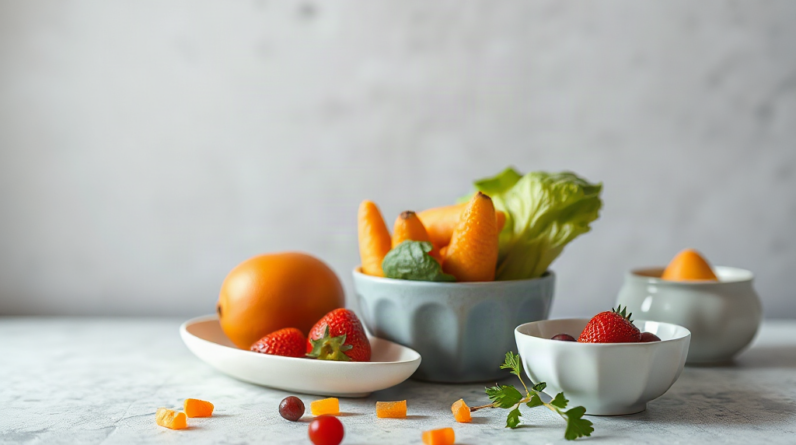
Fresh versus frozen produce can both support healthy eating, and neither form is consistently more nutritious in every situation. Fresh fruits and vegetables offer appealing texture and seasonal flavor, while frozen produce is usually processed soon after harvest, lasts longer, and reduces preparation time and household waste. Nutrient differences depend on storage duration, blanching, cooking method, and the specific vitamin or mineral rather than the package label alone. Choose fresh produce for raw dishes and immediate use, frozen options for convenient cooked meals, and products without added sugar, heavy sauces, or excess sodium whenever possible.
How Do Processing and Storage Affect Nutrients?
The nutritional comparison begins before produce reaches a kitchen. Fruits and vegetables intended for fresh sale may be harvested before full ripeness so they can tolerate transport and display. Frozen produce is commonly harvested near maturity and processed relatively quickly. Neither route guarantees a higher nutrient content because the result varies by crop, handling, temperature, and time.
Freezing itself preserves food by greatly slowing the chemical reactions and microbial activity that cause deterioration. Vegetables are generally blanched in hot water or steam before freezing. Blanching limits changes in color, flavor, and texture during storage, but it can reduce some water-soluble, heat-sensitive nutrients, including vitamin C and certain B vitamins. Minerals and fiber are more stable because they are not destroyed by heat in the same way, although minerals can move into discarded cooking water.
Fresh produce also changes after harvest. Light, oxygen, and warmer temperatures can gradually affect delicate compounds. A bag of spinach kept in the refrigerator until its leaves wilt is not nutritionally identical to spinach eaten shortly after purchase. By contrast, frozen spinach remains usable for months when continuously frozen, though its softened texture makes it better suited to soups, eggs, pasta dishes, or curries than salads.
Comparisons based on a single nutrient can be misleading. Broccoli may lose some vitamin C through blanching or prolonged cooking, yet it still supplies fiber, folate, vitamin K, and plant compounds. Frozen berries may soften after thawing, but they remain useful sources of fiber and naturally occurring pigments. The practical question is not whether every vitamin survives unchanged; it is whether the food remains nutrient-dense and is actually eaten.
Cooking can matter as much as freezing. Boiling vegetables in a large amount of water and draining them may carry away water-soluble nutrients. Steaming, microwaving with little water, roasting, or adding frozen vegetables directly to a stew can retain more of what would otherwise enter discarded liquid. Long storage, repeated thawing, freezer burn, and overcooking are stronger warning signs than the word “frozen” on the package.
When Is Fresh Produce the Better Choice?
Fresh produce has a clear advantage when crispness, aroma, or raw presentation defines the meal. Lettuce for a salad, tomatoes for a sandwich, apples for snacks, and cucumber for a cold side dish generally deliver textures that freezing cannot preserve. High-water foods develop ice crystals during freezing, which damage cell structure and make them softer after thawing.
Season and distance influence quality. Produce bought during its local growing season may spend less time in transport and storage, offering better flavor and a longer usable refrigerator life. That advantage can disappear when an item has traveled far, sat on display, and then remains unused at home. Appearance alone is not a complete measure: unusual shape or minor surface marks do not necessarily indicate poor nutritional quality, while limp leaves, mold, leaking packages, or unpleasant odors signal deterioration.
Fresh is particularly practical for households that shop frequently and have a plan for each item. Consider a person preparing salads on three consecutive workdays. A small head of cabbage, carrots, peppers, and oranges may remain crisp throughout the week and require no thawing. Buying a large assortment without assigning it to meals, however, often produces a crowded crisper drawer and avoidable waste.
Use purchase timing rather than aspiration to decide quantity. Tender greens, ripe berries, herbs, and cut fruit should be scheduled early in the week. More durable choices such as cabbage, whole carrots, apples, and citrus can wait longer. Store produce according to its needs, keep refrigerator temperatures appropriately cold, and separate damaged pieces before spoilage spreads.
A common mistake is treating “fresh” as a nutritional guarantee. Sweetened fruit cups, heavily dressed salad kits, or vegetables served with rich toppings differ from plain whole produce even if the ingredients began fresh. Convenience products can still fit a balanced meal, but the full ingredient list and serving context matter. Fresh produce works best when its sensory quality makes it more likely to be eaten before it deteriorates—not when it is purchased as a symbol of good intentions.
When Does Frozen Produce Make More Sense?
Frozen produce is often the more functional option when time, budget predictability, or irregular meal schedules are the main constraints. It is washed, cut, and available in measured amounts, allowing a cook to use one portion and return the rest to the freezer. That flexibility is valuable for people cooking for one, households with changing schedules, or anyone who cannot shop every few days.
It also makes nutritious ingredients easier to add to ordinary meals. Frozen peas can be stirred into rice near the end of cooking, chopped spinach can enrich lentil soup, and mixed vegetables can turn eggs or noodles into a more complete meal. Frozen berries work well in oatmeal, smoothies, and yogurt because their softer thawed texture is not a disadvantage in those uses. These applications reduce preparation without requiring a separate vegetable dish.
Cost comparisons should account for edible yield rather than package price alone. Fresh broccoli includes stalks that may or may not be used, berries can spoil quickly, and leafy greens shrink considerably during cooking. A frozen bag may provide more predictable portions and less waste. Fresh seasonal produce can still cost less and taste better, so comparing the price per usable amount is more informative than assuming one form is always cheaper.
| Decision Factor | Fresh Often Fits Best | Frozen Often Fits Best |
|---|---|---|
| Meal use | Salads, raw snacks, sandwiches | Soups, stir-fries, oatmeal, cooked sides |
| Timing | Planned use within several days | Uncertain schedule or longer storage |
| Texture | Crispness is central | Softening will not affect the dish |
| Preparation | Washing and chopping are manageable | Minimal preparation is a priority |
| Waste risk | Most of the purchase will be eaten promptly | Only small portions are needed at a time |
Not every frozen product is equivalent to plain produce. Vegetables packaged with cheese sauce, butter, or salty seasoning can contain substantially different ingredients from an unseasoned bag. Frozen fruit may include syrup or added sugar. Read the ingredient list rather than relying on front-label images. For a flexible staple, choose packages in which the fruit or vegetable is the only ingredient, then season it for the meal.
Good Health Solution is Easier Than Most People Think! Take a Look for Yourself!
Poor freezer management can erase some advantages. A package left open may develop freezer burn, which damages texture and flavor even though it does not automatically make the food unsafe. Keep bags sealed, return them promptly to the freezer, and avoid thawing the entire package when only one portion is needed. Follow package storage and cooking directions, especially for products that are intended to be cooked before eating.
How to Choose and Use Both Forms Well
A mixed purchasing strategy usually works better than declaring one form the winner. Match each item to a meal, realistic storage window, and preferred preparation. Fresh greens might cover lunches early in the week, while frozen cauliflower, green beans, or berries remain available for later meals. This approach protects texture where it matters and keeps convenient produce on hand when plans change.
Start by checking what is already in the refrigerator and freezer. Then choose several specific uses rather than buying an unrelated assortment. If fresh peppers are intended for fajitas and raw snacks, estimate whether both uses will occur before the peppers soften. If the schedule is uncertain, a frozen pepper-and-onion blend may be the lower-waste choice for cooked dishes.
A compact buying checklist keeps the decision focused:
- Use: Decide whether the produce will be eaten raw, blended, roasted, steamed, or added to a mixed dish.
- Timing: Buy fragile fresh items only for meals likely to happen soon.
- Ingredients: Check frozen packages for added sugar, sodium, sauces, or flavorings.
- Condition: Avoid fresh produce with mold or decay and frozen bags with damaged seals.
- Yield: Compare the amount likely to be eaten, not merely the package weight.
Preparation should preserve both eating quality and practicality. Wash fresh produce under running water before cutting or eating it; soap and household cleaners are not appropriate for washing food. Use clean hands, utensils, and cutting surfaces. Frozen vegetables can often go directly into a pan, microwave-safe dish, soup, or casserole without thawing, but the label should guide handling and cooking. Frozen fruit can be thawed in the refrigerator when a soft texture is acceptable.
Signs that the strategy is working are visible: produce is used before spoilage, vegetables appear in routine meals without excessive effort, and the freezer contains recognizable ingredients rather than forgotten open bags. Warning signs include repeatedly discarding wilted fresh food, buying frozen vegetables that no one likes, or choosing elaborate seasoned products that do not fit planned recipes.
The weak assumption to avoid is that nutritional optimization requires finding a universal winner. Dietary value depends heavily on variety, portion context, and consistency. Rotating dark leafy greens, orange vegetables, legumes, berries, cruciferous vegetables, and other options provides a broader nutrient mix than repeatedly choosing one supposedly superior item. People with medical conditions that require individualized control of potassium, carbohydrates, sodium, or other nutrients should discuss food choices with a qualified clinician or registered dietitian rather than treating fresh or frozen status as the deciding factor.
Frequently Asked Questions
Is frozen produce as nutritious as fresh produce?
It can be nutritionally comparable. Blanching may reduce some heat-sensitive vitamins, while long refrigeration can also affect fresh produce. The specific food, storage time, and cooking method shape the final nutrient content.
Should frozen vegetables be thawed before cooking?
Many frozen vegetables can be cooked directly from frozen, which limits preparation and helps prevent a watery texture. Follow package directions because cooking and food-safety instructions vary by product.
Are frozen fruits with added sugar a healthy choice?
They still contain fruit, but added sugar changes the product’s nutritional profile. Plain unsweetened fruit is usually the more versatile everyday choice because sweetness can be adjusted in the finished dish.
Why do frozen vegetables sometimes become mushy?
Ice crystals and pre-freezing blanching soften plant cells, and overcooking adds further texture loss. Use shorter cooking times and methods with little added water when a firmer result is preferred.
Can frozen produce reduce grocery waste?
Yes, especially when only small amounts are needed or meal plans change frequently. Reseal the package, remove individual portions, and keep an inventory so opened bags are not forgotten.
Conclusion
The strongest produce choice is the one that fits the dish, remains appealing, and gets used. Reserve fresh items for meals where crisp texture, raw preparation, or seasonal flavor matters. Keep plain frozen fruits and vegetables for cooked meals, unpredictable schedules, and ingredients that would otherwise spoil before use.
Build the next shopping list around actual meals: identify which produce must be fresh, choose frozen backups for flexible dishes, and inspect labels for sauces, sodium, or added sugar. Store each form correctly and adjust future quantities based on what was eaten or discarded. Variety and regular use deserve more attention than small, inconsistent nutrient differences between forms. When dietary restrictions or a medical condition affect food selection, individualized professional advice should take priority over general comparisons.
 Good Health Solution is Easier Than Most People Think! Take a Look for Yourself!