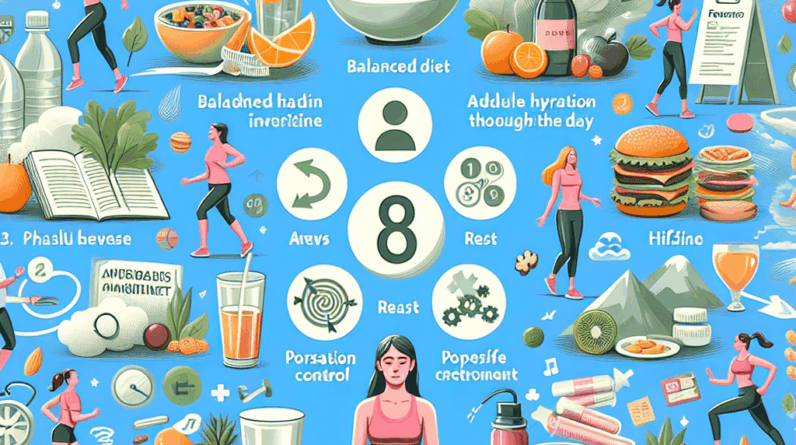
Healthy weight management without extreme dieting relies on modest portions, filling foods, regular movement, adequate sleep, and habits that can continue after weight loss. Build meals around vegetables or fruit, protein, fiber-rich carbohydrates, and measured sources of fat rather than banning entire food groups. Track trends in weight, waist fit, hunger, and energy over several weeks, because daily scale changes often reflect water and digestion rather than body fat. A workable approach permits enjoyable foods while keeping them proportionate to overall intake.
What Makes Weight Management Sustainable?
Sustainable weight management creates a modest gap between the energy the body uses and the energy consumed without making ordinary life revolve around restriction. The gap may come from slightly smaller portions, fewer calorie-dense extras, more daily movement, or a combination of those changes. Severe restriction can produce a larger short-term gap, but it also tends to increase hunger, fatigue, food preoccupation, and the difficulty of eating normally in social settings.
Body weight is influenced by more than willpower. Appetite, sleep, medications, medical conditions, stress, food access, work schedules, and past dieting all affect what is realistic. Someone working rotating shifts may need portable meals and a reliable late-night option; a person taking medication associated with appetite or weight changes may need individualized clinical advice. Treating every plateau as a discipline problem can lead to unnecessary restriction while missing a practical or medical constraint.
The useful target is not the lowest intake a person can tolerate for a few weeks. It is a pattern that reduces average intake enough to move toward an appropriate goal while preserving concentration, strength, social flexibility, and nutritional variety. Progress may be gradual and uneven. Sodium, carbohydrate intake, bowel contents, menstrual cycles, and hard exercise can alter scale weight temporarily, so a single reading says little about whether a routine is working.
A practical starting point is to change one repeated eating occasion. If weekday lunches are mostly refined snacks grabbed between meetings, replace them with a prepared meal containing protein, produce, and a fiber-rich carbohydrate. A bowl with beans, chopped vegetables, brown rice, salsa, and a small amount of cheese is more structured and often more filling than grazing from several packages. The change is specific enough to evaluate without forcing a complete menu overhaul.
Common failure modes include skipping meals to compensate for overeating, labeling foods as morally good or bad, and setting a goal that requires declining every shared meal. A better test is repeatability: can the routine work on a busy Tuesday, during a weekend meal, and after an imperfect day? If not, reduce its complexity before tightening it further. People with a history of disordered eating, pregnancy, certain medical conditions, or unexplained weight changes should seek individualized guidance rather than intentionally restricting intake.
Build Filling Meals Without Rigid Rules
Filling meals combine food volume, protein, fiber, and enough fat for satisfaction. Vegetables, fruit, legumes, whole grains, eggs, fish, poultry, tofu, yogurt, nuts, and seeds can all contribute, but no single ingredient controls weight. The pattern matters: foods that take up more space and require chewing can make a meal feel substantial, while protein and fiber often slow the return of hunger.
A flexible plate can use roughly half the space for vegetables or fruit, one quarter for a protein-rich food, and one quarter for a starch or whole grain, with fat and sauces added deliberately. This is a visual planning tool, not a prescription. A lentil curry with vegetables and rice will not occupy neat sections, yet it can provide the same functional mix. People with higher activity levels, larger bodies, pregnancy, or particular health needs may require different proportions.
Whole foods are useful because they usually retain more water, fiber, and structure than highly refined alternatives. Compare an apple with apple juice: the whole fruit takes longer to eat and includes intact fiber, while juice can be consumed quickly. Processing is not automatically harmful, however. Frozen vegetables, canned beans, whole-grain bread, plain yogurt, and tinned fish are processed foods that can make balanced eating affordable and convenient. The more meaningful distinction is whether a product contributes nourishment and satiety or mainly adds calories that are easy to overlook.
Use a short meal-building sequence when deciding what to eat:
- Choose a protein anchor: beans, eggs, fish, lean meat, tofu, cottage cheese, or yogurt.
- Add produce: fresh, frozen, canned, or roasted vegetables and fruit all count.
- Include a satisfying carbohydrate: potatoes, oats, rice, corn, whole-grain bread, or pasta.
- Flavor intentionally: add oil, avocado, nuts, cheese, dressing, or sauce in an amount that improves the meal without dominating it.
Removing carbohydrates or fat entirely is usually less useful than noticing portions and context. A large restaurant salad can carry more energy than expected when it includes generous dressing, cheese, fried toppings, and nuts, while a sandwich with vegetables and a protein filling may be easier to portion. Conversely, choosing only low-calorie foods can leave a person hungry and prone to evening overeating. If hunger repeatedly returns within an hour or two, first check whether meals contain enough protein, fiber, and total food rather than assuming more restraint is needed.
How Much Movement Is Realistic?
Movement is most useful when it combines ordinary daily activity, aerobic exercise, and muscle-strengthening work at a level the person can recover from. Exercise can increase energy use, preserve function, improve fitness, and provide progress markers beyond the scale. It should not be treated as punishment for eating or as a precise way to erase a meal; machines and wearable devices provide estimates, and hard workouts can also increase appetite.
For a sedentary beginner, adding a ten-minute walk after one meal is more actionable than committing immediately to daily high-intensity sessions. Once that walk feels routine, duration or frequency can increase. Someone already active may gain more from two or three structured strength sessions than from adding another long cardio workout. The right choice depends on current fitness, joint comfort, schedule, preferences, and any clinical restrictions.
Strength training deserves attention because weight loss can include lean tissue as well as fat. Exercises such as supported squats, hip hinges, wall or counter push-ups, rows, and loaded carries can train major movement patterns. Resistance bands, machines, free weights, and body-weight movements can all work when the difficulty increases gradually and technique remains controlled. Soreness is not proof of an effective session, and pain that is sharp, persistent, or alters movement is a reason to stop and seek appropriate advice.
Daily activity outside formal workouts can also matter. Walking while taking a call, using stairs when comfortable, doing household tasks, or taking short standing breaks may be easier to sustain than relying on a single exhausting session. A parent with limited uninterrupted time might take three short walks rather than waiting for a free hour that rarely appears. The total pattern is more relevant than whether activity occurs in one block.
A failing movement plan commonly shows up as dread, skipped sessions, worsening sleep, persistent fatigue, or recurring pain. Scale changes alone are a poor reason to keep increasing exercise. Signs of a workable plan include improving stamina, stable or better energy, gradual strength gains, and the ability to resume after a disrupted week. People with chest pain, fainting, severe breathlessness, significant mobility limitations, or medical restrictions should obtain professional guidance before escalating activity.
Good Health Solution is Easier Than Most People Think! Take a Look for Yourself!
How Should You Measure Progress and Adjust?
Progress should be judged from trends and behaviors rather than a single weigh-in. If weighing is comfortable and appropriate, use comparable conditions—such as the same time of day—and consider a weekly pattern over several weeks. Waist measurements, clothing fit, walking pace, strength, energy, hunger, and consistency with planned meals can add context. For anyone whose weighing triggers distress or compulsive behavior, non-scale measures may be safer and more informative.
Begin with a brief audit instead of immediately cutting more food. Record several typical days of meals, drinks, snacks, hunger, sleep, and activity without trying to make the record look ideal. Look for repeated opportunities: sweetened drinks consumed automatically, large gaps that lead to intense evening hunger, portions eaten directly from packages, or restaurant meals that have become more frequent. The aim is to identify a change with enough impact to matter and little enough friction to repeat.
| What you notice | Likely issue to check | Reasonable next step |
|---|---|---|
| Strong hunger between meals | Meals may be too small or low in protein and fiber | Add a protein food, produce, or a planned snack |
| No trend change after several consistent weeks | Portions, drinks, extras, or activity may offset the intended gap | Adjust one repeated item rather than overhauling everything |
| Rapid loss with fatigue or dizziness | Restriction may be excessive or another issue may be present | Stop tightening the plan and consult a qualified clinician |
| Frequent weekend rebound eating | Weekday rules may be too rigid | Use more consistent meals and allow planned flexibility |
When progress stalls, distinguish inconsistency from adaptation. A routine followed for only a few scattered days has not been tested. If it has been followed consistently for several weeks and measurements remain unchanged, make one modest adjustment: reduce a calorie-dense extra, portion snacks into a bowl, replace a regular sugary drink, or add a manageable walk. Changing several variables at once makes it difficult to tell what worked and raises the risk of excessive restriction.
Sleep and stress also affect execution. Short sleep may increase appetite and reduce the energy available for shopping, cooking, or exercise. Stress can prompt either overeating or missed meals followed by rebound hunger. Neither issue is solved by a perfect menu, so the practical response may be an earlier bedtime, a stocked freezer meal, or a planned afternoon snack. Seek clinical assessment for persistent fatigue, dizziness, binge episodes, menstrual disruption, rapid unexplained change, or weight concerns associated with a medication or medical condition.
Conclusion
A workable weight-management routine should be nutritionally varied, measurable, and flexible enough for ordinary weeks. Start by improving one repeated meal, establishing regular movement, and watching several indicators rather than reacting to each scale reading. If hunger becomes intrusive, energy falls, or social eating feels impossible, the plan needs adjustment rather than greater severity.
Review the pattern after several consistent weeks. Keep changes that improve satiety, meal structure, fitness, or trend measures without creating distress. Modify one variable at a time when progress genuinely stalls, and avoid compensating for an indulgent meal with fasting or punishing exercise. Clinical support is appropriate when symptoms, medications, health conditions, pregnancy, or disordered-eating concerns complicate the process. The next useful step is a small, observable change you can repeat and evaluate—not a temporary set of extreme rules.
Frequently Asked Questions
Can I lose weight without cutting out carbohydrates?
Yes. Portion size and the overall eating pattern matter more than banning carbohydrates. Potatoes, oats, beans, fruit, rice, and whole-grain bread can fit, especially when paired with protein and produce.
Do I need to count calories?
No. Tracking may help some people identify portions and patterns, but structured plates, regular meals, measured extras, and trend monitoring can provide useful guidance without numerical counting.
Why does my weight change from day to day?
Water retention, sodium, carbohydrate intake, digestion, exercise, and menstrual cycles can shift scale weight. Compare readings under similar conditions and focus on the pattern across several weeks.
Can enjoyable foods still fit?
Yes. Serve them intentionally, eat them without compensatory restriction, and consider frequency and portion alongside the rest of the week. Planned flexibility is often easier to sustain than strict avoidance.
When should I seek professional help?
Consult a qualified healthcare professional for unexplained weight change, persistent dizziness or fatigue, binge eating, menstrual changes, pregnancy-related needs, medication concerns, or a history of disordered eating.
Further Reading
Authoritative Sources
- CDC Healthy Weight and Growth
cdc.govOffers public-health information on weight, nutrition, physical activity, sleep, and gradual lifestyle changes
- USDA MyPlate
myplate.govProvides practical food-group guidance and meal-planning tools for building varied, balanced meals
- NIDDK Weight Management
niddk.nih.govExplains factors that affect body weight and when medical guidance may be useful
- Move Your Way
health.govTranslates federal physical-activity guidance into practical options for different abilities and schedules
 Good Health Solution is Easier Than Most People Think! Take a Look for Yourself!