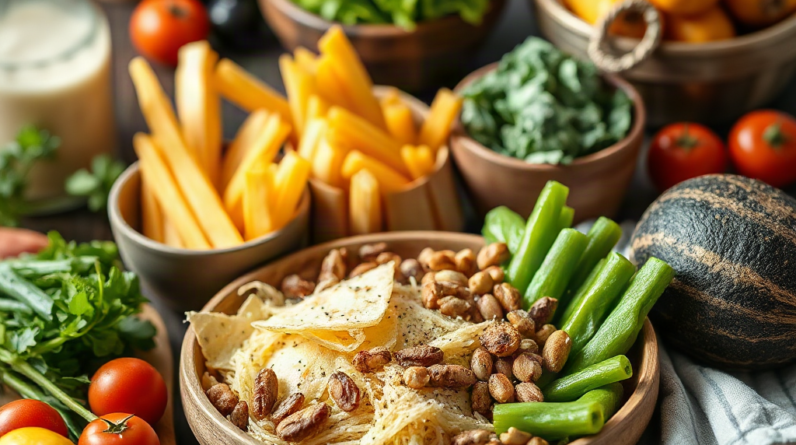
If your diet lacks diversity, expand it gradually by rotating produce, protein sources, whole grains, legumes, nuts, seeds, and cooking methods rather than rebuilding every meal at once. Begin with one familiar dish and change a single component each week, such as replacing white rice with barley or adding lentils to ground meat. This approach broadens fiber, vitamins, minerals, and plant compounds while limiting waste, cost, and digestive discomfort. Keep medically necessary restrictions in place, and consult a registered dietitian if allergies, swallowing problems, gastrointestinal symptoms, sensory issues, or unexplained weight changes are restricting your choices.
Recognize Where Variety Is Actually Missing
Dietary repetition becomes more relevant when the same few ingredients dominate entire food groups, not simply when breakfast or lunch repeats. Eating oatmeal most mornings may be perfectly workable if dinners include varied vegetables, legumes, grains, seafood, poultry, eggs, or other suitable choices. By contrast, a menu built almost entirely around refined bread, cheese, chicken, and potatoes leaves fewer opportunities to obtain different fibers, micronutrients, and plant compounds.
Start with a seven-day record of foods and drinks, but do not count recipes as separate foods when their main ingredients are identical. A turkey sandwich, turkey wrap, and turkey salad may look like three meals while still relying on the same protein and similar vegetables. Sort the record into vegetables, fruits, grains or starchy foods, protein sources, dairy or fortified alternatives, and fats. The thinnest categories reveal where a change is likely to have the greatest value.
Color can be a useful prompt for produce, but it is not a nutritional scoring system. Carrots and sweet potatoes share a color and some nutrients, yet they do not make beans, leafy greens, berries, or whole grains unnecessary. Likewise, buying several flavors of a highly refined snack does not meaningfully diversify the underlying ingredients. Focus on distinct whole or minimally processed foods rather than packaging, brands, or seasonings alone.
A practical audit should also explain why repetition is happening. Limited time may make convenience the priority. A small grocery budget can discourage experimentation that might create waste. Sensory sensitivities, cultural preferences, dental problems, food allergies, gastrointestinal symptoms, or a prescribed therapeutic diet may narrow the menu for valid reasons. The response should fit that cause. Someone short on time may need frozen vegetables and canned beans; someone avoiding foods because they cause pain needs clinical assessment rather than a larger shopping list.
Use the audit to choose one underrepresented category, not to label the entire menu as bad. If vegetables appear only twice in a week, begin there. If produce is varied but every protein comes from processed meat, rotate the protein source first. This targeted reading of what to do if your diet lacks diversity is more useful than purchasing unfamiliar ingredients with no plan for using them.
Use a 6-Step Food Rotation
A food rotation works best when each change is small enough to repeat. Sudden overhauls often produce unused groceries, complicated preparation, and meals that feel disconnected from familiar preferences. A six-step sequence lets a household test flavor, tolerance, price, and convenience before making an ingredient routine.
- Choose one reliable meal. Select a dish eaten at least weekly, such as pasta, tacos, soup, oatmeal, or a rice bowl.
- Identify its repeated component. Look for the grain, vegetable, protein, topping, or sauce that never changes.
- Add before replacing. Mix spinach into pasta sauce, combine lentils with ground meat, or add berries to a familiar breakfast.
- Change one variable. Keep the seasonings and preparation familiar while testing a new ingredient.
- Use the ingredient twice. Plan a second meal for the package so the experiment does not become waste.
- Keep, modify, or release it. Retain foods that suit taste, digestion, budget, and preparation time; variation does not require forcing disliked choices.
Consider a person who eats chicken with white rice four nights a week. The first rotation might keep the chicken but mix brown rice with white rice. The next could replace part of the chicken with black beans in a seasoned bowl. A later meal might use salmon, tofu, eggs, or chickpeas, depending on dietary preferences and cost. Each change introduces a different nutritional profile without requiring a completely unfamiliar recipe.
Rotating within categories is usually more manageable than collecting random novelty foods. Alternate oats, whole-grain bread, brown rice, barley, or quinoa where appropriate; rotate beans, lentils, eggs, fish, poultry, tofu, or lean meat according to personal needs; and vary fresh, frozen, or canned produce. Whole foods deserve priority, but convenient forms still count. Frozen broccoli and no-salt-added canned tomatoes can be more practical than fresh produce that spoils before use.
The common mistake is equating diversity with a new ingredient at every meal. Variety is more useful across the week and month than within a single crowded plate. Familiar staples provide affordability and consistency, while rotations fill gaps around them. If a new food causes persistent symptoms, do not continue solely to satisfy the rotation. Record the food, portion, preparation, and response, then seek qualified advice when symptoms are significant or recurring.
Broaden Meals Without Raising the Budget
More variety does not have to mean a larger grocery bill. Cost rises when shoppers buy many perishable ingredients in full-size packages without assigning them to meals. A better method is to keep an economical base and rotate one or two additions through several dishes.
Beans, lentils, peas, oats, potatoes, brown rice, canned fish, eggs, peanut butter, seasonal produce, and frozen vegetables can widen a menu while remaining useful beyond one recipe. Prices vary by location, so compare cost per usable serving rather than assuming fresh, dried, canned, or frozen is always cheapest. Dried beans may cost less but require soaking and cooking; canned beans cost more per serving but save time and fuel. The economical choice is the one a household can actually prepare and finish.
Plan around ingredient overlap without making every meal identical. A bag of frozen spinach might go into scrambled eggs, lentil soup, and pasta sauce. Cabbage can become a slaw, a stir-fry ingredient, and a soup addition. Plain yogurt may serve as breakfast, a dip base, or a topping if dairy is suitable. This differs from batch-cooking one recipe for seven consecutive days: the ingredient repeats, but its meal context and accompanying foods change.
Use a compact purchasing priority when money or storage is tight:
- First: add an affordable food to the category missing most often.
- Second: select shelf-stable or frozen options when spoilage is likely.
- Third: buy the smallest practical amount of an unfamiliar food.
- Fourth: assign every perishable item to at least two meals.
Convenience foods require judgment rather than blanket rejection. Pre-cut vegetables, microwaveable grains, canned lentils, and rotisserie chicken may make variation realistic for a person with limited time or mobility. Check labels when sodium, added sugar, or another nutrient is a personal concern, but do not assume a minimally processed ingredient is useless because it comes in a package. Conversely, a snack product containing a trace of several grains is not nutritionally equivalent to eating meaningful portions of intact grains.
A successful budget rotation reduces discarded food and produces meals that remain easy on busy days. If the refrigerator fills with aspirational ingredients or takeout replaces planned dinners because preparation is too demanding, simplify. The best next addition is often a versatile item already compatible with familiar seasonings, equipment, and cooking skills.
Manage Taste, Digestion, and Dietary Restrictions
New foods may require adjustment, especially when the existing menu is narrow because of texture, strong flavors, digestive discomfort, or fear of a reaction. Gradual exposure is appropriate for ordinary preference-building, but it is not a substitute for medical evaluation when eating causes hives, breathing difficulty, repeated vomiting, severe pain, choking, or other concerning symptoms.
For taste and texture, modify the format before rejecting the ingredient. Roasted cauliflower differs markedly from boiled cauliflower; blended beans in soup feel different from whole beans; raw apples differ from unsweetened applesauce or baked apple. Pair a small portion with a familiar seasoning or meal rather than serving a large amount alone. Children and adults may need multiple neutral encounters with a food, but pressure and oversized servings can strengthen aversion.
Fiber deserves a measured approach. A person moving quickly from refined grains and few vegetables to large servings of bran, beans, and cruciferous vegetables may experience gas or bloating. Increase portions over time, maintain adequate fluids when medically appropriate, and spread higher-fiber foods across meals. Rinsing canned beans and starting with a modest amount may improve acceptability. Persistent or severe digestive symptoms should not be dismissed as a normal price of eating better.
Restrictions change the decision. Someone with celiac disease cannot diversify grains by casually adding conventional barley or wheat. A person with a confirmed food allergy should not test that allergen at home. Kidney disease, swallowing disorders, diabetes, gastrointestinal conditions, pregnancy, and interactions with some medicines may also affect suitable choices. A registered dietitian or treating clinician can help preserve variety inside necessary boundaries and reduce the risk of avoidable deficiencies.
Good Health Solution is Easier Than Most People Think! Take a Look for Yourself!
Plant-based eaters can vary beans, lentils, tofu, tempeh, nuts, seeds, whole grains, vegetables, and fortified foods, while paying attention to nutrients that may require deliberate planning, such as vitamin B12. Omnivorous diets can still be narrow if meat displaces legumes, seafood, vegetables, and whole grains. Neither dietary label guarantees diversity.
The mistake to avoid is removing more and more foods based on unverified intolerance tests, online lists, or isolated symptoms. Unsupervised restriction can make the original problem worse. When deciding what to do if your diet lacks diversity, distinguish preference from a suspected reaction and a suspected reaction from a diagnosed condition.
Measure Progress Without Chasing Perfection
Progress is visible when a wider set of foods becomes routine without increasing stress, waste, or symptoms. Counting every ingredient indefinitely is unnecessary. A brief monthly check can show whether the menu has expanded beyond its former defaults.
Review a typical week and note whether several kinds of vegetables and fruit appear, whether grains include more than one option, and whether protein comes from more than one source when medically and culturally appropriate. Also check preparation: a vegetable served raw, roasted, blended, or added to soup can create useful sensory variety even when the ingredient has appeared before. Herbs, spices, and sauces improve enjoyment, although they should complement rather than substitute for variety among the main foods.
Signs the approach is working include finishing what was purchased, gaining two or three dependable meals, tolerating new portions, and choosing alternatives without extensive planning. A rotation is failing when shopping becomes more expensive without changing what is eaten, unfamiliar produce repeatedly spoils, digestive symptoms escalate, or meals become so complicated that familiar convenience foods take over. Those signals call for a smaller rotation, a different preparation method, or professional support—not more novelty.
A realistic benchmark might be adding one new or previously neglected food each week and repeating successful options later in the month. For example, week one introduces red lentils in soup, week two adds frozen berries to oatmeal, and week three tests barley in place of some rice. If barley is unsuitable because gluten must be avoided, certified gluten-free grains such as brown rice, quinoa, buckwheat, or millet may be considered instead, subject to individual needs and cross-contact concerns.
Do not judge the menu by the number of colors in one photograph or by whether every meal looks different. Nutritional adequacy depends on portions, total intake, fortification, health status, and dietary restrictions as well as variety. Someone eating very little overall may need more than a rotation plan, particularly if there is fatigue, dizziness, unintended weight loss, or anxiety around eating. Under those circumstances, clinical support should take priority over self-directed experimentation.
Once several additions become dependable, keep a short list of accepted grains, proteins, vegetables, fruits, and quick meals. Rotate from that list when planning groceries, then test occasional additions. This creates a stable menu with meaningful range rather than an endless search for novelty.
Frequently Asked Questions
How can I tell whether my diet is too repetitive?
Record a typical week and group foods by their main ingredients. If entire food groups are absent or the same few grains, proteins, and vegetables dominate nearly every meal, targeted rotation may be useful.
How quickly should I add unfamiliar foods?
For ordinary menu expansion, one addition per week is a manageable starting point. Use a small portion in a familiar meal, then repeat it before deciding whether it belongs in your regular rotation.
Do frozen and canned foods count toward dietary variety?
Yes. Frozen produce, canned beans, canned fish, and similar staples can provide practical variety. Choose forms that fit your needs, and review sodium, added sugar, and allergen information when relevant.
Can I improve variety if I dislike many textures?
Try changing preparation rather than changing several ingredients at once. Roasting, blending, grating, or mixing a small amount into a familiar dish may make the same food more acceptable.
When should I ask a dietitian or doctor for help?
Seek qualified support when restriction involves allergies, severe or persistent digestive symptoms, swallowing trouble, a medical diet, fear around eating, nutrient concerns, or unintended weight change.
Further Reading
Authoritative Sources
- MyPlate
myplate.govUSDA meal-planning resources show how different food groups can fit into everyday eating patterns
- Dietary Guidelines for Americans
dietaryguidelines.govThis federal resource provides evidence-based context on dietary patterns, nutrient-dense choices, and food-group variety
- NIH Office of Dietary Supplements
ods.od.nih.govIts nutrient fact sheets help readers investigate specific vitamins and minerals without relying on unsupported supplement claims
- Nutrition.gov
nutrition.govThis government portal collects practical nutrition, shopping, and meal-planning information from federal agencies
Conclusion
A more varied menu should remain affordable, tolerable, and easy enough to repeat. Begin by identifying the food group with the narrowest range, then introduce one compatible ingredient through a meal you already prepare. Rotate meaningful staples—such as grains, legumes, vegetables, fruits, and protein sources—instead of counting flavors or packaged variations as diversity.
Track whether additions are eaten, enjoyed, and tolerated rather than pursuing a perfect number of foods. Frozen and canned ingredients can reduce waste, while familiar seasonings and gradual portions can lower the barrier to change. If symptoms, medically required restrictions, sensory difficulties, or unintended weight changes are driving the limited menu, professional assessment should come before aggressive expansion. The next useful step is a seven-day food record followed by one deliberate, low-risk addition.
 Good Health Solution is Easier Than Most People Think! Take a Look for Yourself!