Understanding Nutritional Needs
Understanding your nutritional needs is the first step in planning healthy meals at home. Different individuals have varying dietary requirements based on factors like age, sex, activity level, and health conditions. For instance, athletes may require higher protein intake, while those with certain health issues might need to limit sodium or sugar. Consulting with a healthcare professional or a registered dietitian can provide personalized recommendations that cater to your specific needs.
Once you have a grasp of your nutritional requirements, you can better select ingredients and recipes that support these goals. This ensures that your meals are not just calorie-focused but also rich in essential vitamins and minerals. A practical approach is to utilize food tracking apps or journals that help you monitor your intake and make adjustments as needed.
Creating Balanced Menus
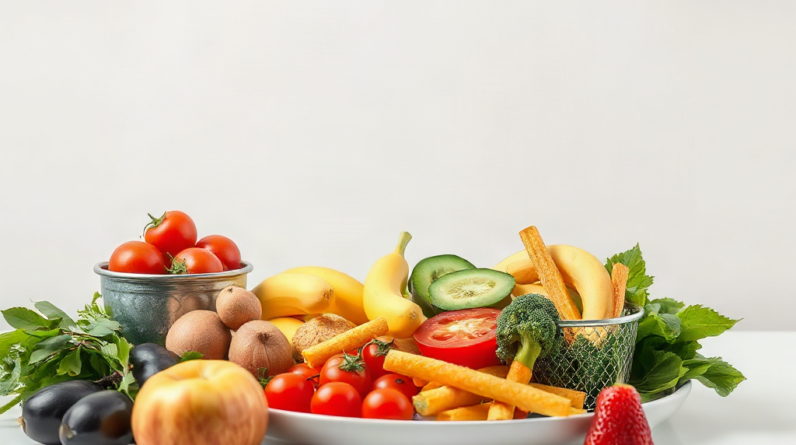
Creating balanced menus is crucial for ensuring that your meals are both nutritious and enjoyable. A well-structured menu typically includes a variety of food groups, such as fruits, vegetables, whole grains, protein, and healthy fats. Aim for a colorful plate, as different colors often represent different nutrients.
To make meal planning easier, consider themes for each day of the week, like Meatless Mondays or Taco Tuesdays. This can simplify your decision-making process and keep meals exciting. Additionally, batch cooking certain staples, like grains or proteins, can streamline your meal prep and save time during the week.
Meal Preparation Techniques
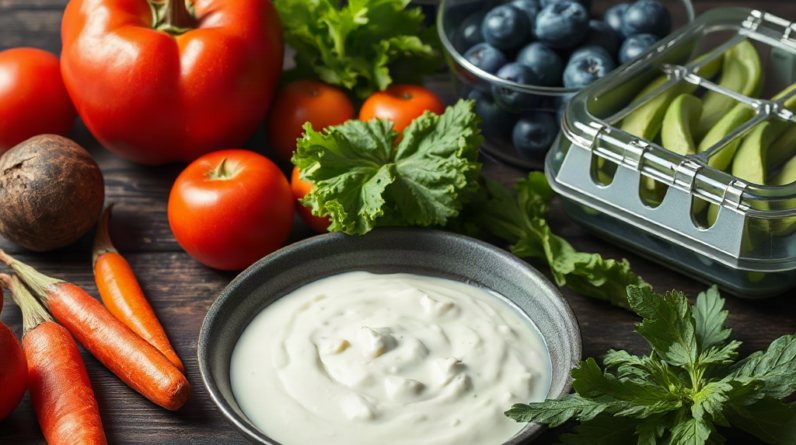
Effective meal preparation techniques can significantly enhance your ability to plan healthy meals at home. Start by dedicating a specific day each week for meal prep. During this time, wash and chop vegetables, cook grains, and portion out snacks. Using containers to store prepped foods can help maintain freshness and make it easy to grab meals on the go.
Consider using cooking methods that preserve nutrients, such as steaming, grilling, or baking, rather than frying. Incorporating a variety of cooking techniques can also help maintain interest in your meals, preventing boredom with your diet. Don’t forget to label your containers with dates to ensure food safety and minimize waste.
Avoiding Common Mistakes
While planning healthy meals at home can be rewarding, there are common mistakes that can derail your efforts. One frequent pitfall is underestimating the importance of meal prep, which can lead to last-minute unhealthy choices. Another mistake is neglecting to keep a diverse range of foods in your diet, which can result in nutrient deficiencies.
To avoid these errors, establish a consistent meal planning routine, and continually seek new recipes to try. Engaging with cooking communities online can provide inspiration and accountability. Remember, the goal is to create a sustainable and enjoyable eating pattern that supports your health.
Further Reading
Authoritative Sources
- Library of Congress Research Guides
guides.loc.govResearch guides that help readers locate reliable background sources on a wide range of subjects. Good Health Solution is Easier Than Most People Think! Take a Look for Yourself!
- USA.gov Official Information and Services
usa.govOfficial U.S. government information and public resources for practical reference
- Google Scholar
scholar.google.comAcademic search resource for finding research literature and source material
Frequently Asked Questions
What are the benefits of planning meals at home?
Planning meals at home helps ensure balanced nutrition, saves money, and reduces food waste. It allows for better control over ingredients and portion sizes.
How can I make meal prep easier?
Meal prep can be simplified by dedicating specific days for cooking, using batch cooking techniques, and organizing meals in labeled containers for easy access.
What should I consider when choosing recipes?
Consider your nutritional needs, the seasonality of ingredients, preparation time, and the variety of flavors and textures to keep meals interesting.
How can I avoid unhealthy eating habits when busy?
To prevent unhealthy eating habits, prepare meals in advance, keep healthy snacks on hand, and plan for quick, nutritious options during busy days.
Is it necessary to follow a strict meal plan?
No, a strict meal plan is not necessary. Flexibility is key; adapt your meals based on cravings, seasonal ingredients, and your schedule.
Conclusion
In conclusion, planning healthy meals at home is a strategic approach to improving your dietary habits and overall health. By understanding your nutritional needs, creating balanced menus, and employing effective meal preparation techniques, you can foster a sustainable eating pattern. Prioritize variety and be flexible in your planning to maintain enjoyment in your meals. The next step is to start experimenting with different recipes and meal prep strategies to find what works best for you.

Good Health Solution is Easier Than Most People Think!
Take a Look for Yourself!