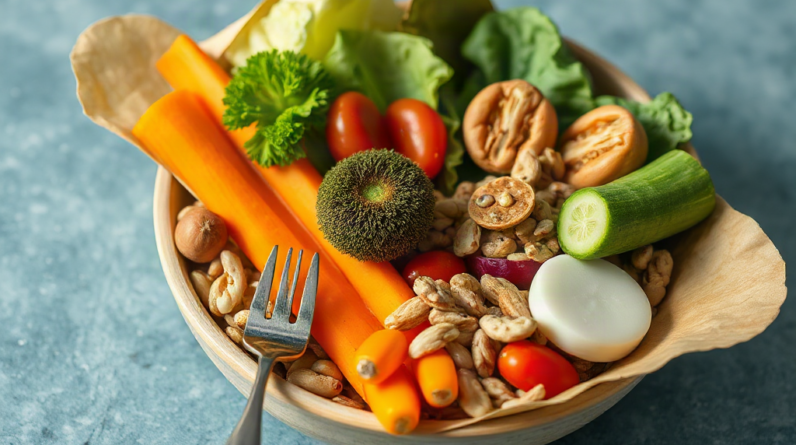
To tweak recipes for healthier versions, identify the ingredient’s structural job before replacing it, then change one variable at a time and compare the result. Reduce added sugar, sodium, or saturated fat gradually; add vegetables, legumes, whole grains, or nuts where they suit the dish; and preserve moisture, binding, browning, and flavor with appropriate substitutes. A swap that works in soup may fail in cake because cooking chemistry differs. Keep portions and toppings in view as well, since a nutrient-rich recipe can still become energy-dense when served generously or finished with heavy sauces.
Decide What the Recipe Actually Needs to Change
A useful recipe adjustment begins with a specific nutritional priority. “Healthier” could mean less sodium for one household, more fiber for another, or fewer added sugars in a frequently eaten breakfast. Trying to reduce sugar, remove fat, increase protein, add vegetables, and cut calories in the same attempt often produces disappointing food and makes it impossible to identify which change caused the problem.
Start by considering how often the dish is eaten and which ingredients make the largest contribution to the issue you want to address. A weekly birthday cake does not need the same scrutiny as muffins eaten every morning. In a creamy pasta dinner, the sauce quantity, vegetable proportion, and serving size may matter more than replacing a teaspoon of cooking oil. In canned-bean chili, rinsing the beans and choosing lower-sodium broth may be more practical than rebuilding the entire recipe.
Look at the complete meal rather than treating the recipe in isolation. A modest portion of rich curry served with vegetables and plain brown rice presents a different nutritional pattern from a large bowl served with fried bread and a sweet drink. Likewise, making pancakes with whole-grain flour adds fiber, but syrup, butter, and portion count still shape the finished breakfast. No single substitution gives a dish a permanent “healthy” status.
A short priority check keeps the process focused:
- Frequency: Give routine meals more attention than occasional foods.
- Main contributor: Find the ingredient or serving habit responsible for most of the sodium, added sugar, saturated fat, or low fiber.
- Nonnegotiable quality: Decide whether tenderness, crispness, creaminess, or convenience must be preserved.
- Small first change: Modify the most influential variable without redesigning everything else.
The common mistake is equating unfamiliar or expensive ingredients with better nutrition. Specialty sweeteners are still added sugars, and coconut oil remains rich in saturated fat despite its plant origin. A simpler change—such as using fewer sweetened toppings, adding lentils to ground meat, or increasing the vegetables in a casserole—may have a clearer effect and cost less. Readers exploring how to tweak recipes for healthier versions should therefore define the target before shopping for substitutes.
Match Every Swap to the Ingredient’s Function
Ingredients perform jobs that extend beyond flavor, especially in baking. Fat tenderizes pastry and carries flavor; sugar sweetens but also promotes browning, retains moisture, and affects spread; eggs bind, emulsify, and create structure. Removing one of these ingredients entirely can change texture and cooking behavior even when the replacement appears nutritionally sensible.
Flexible dishes tolerate substitutions better than precision recipes. In soup, stew, chili, grain bowls, and pasta sauce, vegetables or beans can usually be added without threatening the basic structure. A cup of lentils can replace part of the ground meat in taco filling while contributing fiber and maintaining a hearty texture. Plain yogurt may replace some sour cream in a cold dip, although heating low-fat yogurt aggressively can cause separation. These are comparatively forgiving changes because exact ratios are not responsible for a delicate rise or crumb.
Baked goods require a more conservative approach. Replacing part of the white flour with whole-wheat flour can add fiber and a fuller flavor, but whole grains absorb more liquid and may make a loaf or muffin denser. Letting batter rest briefly can improve hydration, while adding a small amount of liquid may be necessary if it looks unusually stiff. Substituting unsweetened applesauce for all the oil in brownies may lower fat but often creates a cakier, less rich result. Replacing only part of the oil preserves more of the intended texture.
Flavor compatibility matters too. Mashed banana supplies moisture and sweetness in breakfast muffins, but its recognizable taste is a poor fit for every cake. Pureed beans can work in strongly flavored brownies, yet they are not an invisible replacement in a lightly flavored vanilla bake. Choose substitutes that belong in the dish rather than expecting them to disappear.
The failure sign is a result that is gummy, dry, pale, crumbly, or unable to hold together. When that happens, restore some of the original functional ingredient instead of adding several new fixes at once. For a first test, replacing roughly part—not all—of a structural ingredient makes the outcome easier to control. Cooking is adaptable, but baking chemistry sets firmer limits on how to tweak recipes for healthier versions.
Adjust Sugar, Salt, and Fat Without Losing Flavor
Gradual reductions are usually more successful than eliminating sugar, salt, or fat outright. These ingredients influence sensory qualities that make food satisfying, and sharp cuts can leave a dish flat enough that diners compensate with salty condiments, extra cheese, or larger portions. A measured reduction paired with stronger aromas, acidity, herbs, and texture is more likely to become a lasting change.
For savory food, build flavor before reaching for more salt. Brown onions and mushrooms, toast spices briefly in oil, roast vegetables until their edges caramelize, and finish suitable dishes with lemon juice or vinegar. Garlic, ginger, fresh herbs, chile, black pepper, cumin, smoked paprika, and citrus zest add distinct flavor without relying exclusively on sodium. Salt still has a culinary role, but measuring it is more reliable than shaking it into the pot repeatedly. Compare broth, canned tomatoes, sauces, seasoning blends, cheese, and cured meats because several moderate-sodium ingredients can accumulate in one recipe.
Sweet recipes benefit from distinguishing sweetness from flavor. Cinnamon, vanilla, cocoa, toasted nuts, and ripe fruit can make a reduced-sugar dish taste more complete, but they do not reproduce sugar’s structural effects. In oatmeal, yogurt bowls, sauces, and fruit crisps, reducing added sweetener is fairly forgiving. In cookies, jam, candy, or meringue, sugar contributes more heavily to texture, preservation, or structure, so use a tested lower-sugar recipe rather than improvising a drastic cut. Honey, maple syrup, and agave are not nutritionally free substitutions; they remain concentrated sweeteners and may alter liquid balance.
Fat changes deserve similar judgment. Olive or other unsaturated plant oils can replace butter in vinaigrettes, sautés, and some quick breads, but equal-volume replacement is not universally successful because butter contains water and behaves differently when chilled or creamed. Pureed vegetables, yogurt, or beans can create body in sauces and soups, although they will not deliver the same richness. A blended white-bean soup, for example, can feel creamy with less cream, while a classic pastry depends on solid fat for flakiness.
Watch for an important tradeoff: reducing fat may prompt manufacturers or home cooks to add more starch or sugar, and replacing salt with bottled sauces may increase sodium rather than decrease it. Signs that the adjustment works include balanced flavor, a recognizable texture, and no urge to cover the serving with extra toppings. If the dish tastes hollow, add acidity, aroma, browning, or a modest amount of the original ingredient before declaring the recipe unsuccessful.
Build More Nutrients Into Familiar Meals
Adding nourishing ingredients is often more rewarding than concentrating only on removal. Vegetables, legumes, whole grains, fruit, nuts, and seeds can contribute fiber, vitamins, minerals, texture, and volume while allowing the dish to retain its identity. The best addition fits the existing flavor and does not turn every meal into the same mixture of hidden vegetables.
Increase plant ingredients where they naturally belong. Add mushrooms and grated carrot to meat sauce, fold spinach and peas into pasta, mix beans into chili, or include roasted vegetables in a grain-based casserole. Replacing a portion of ground beef with lentils can reduce the meat proportion while keeping a substantial texture; replacing all of it creates a different dish and may require changes to seasoning and moisture. Frozen vegetables are a practical option because they reduce preparation time and are useful when fresh produce is costly or likely to spoil.
Whole grains require attention to cooking behavior. Brown rice usually takes longer than white rice, and whole-wheat pasta may taste firmer. Oats, barley, quinoa, and whole-grain breads each bring distinct textures rather than acting as interchangeable “healthy” upgrades. A gradual blend can suit households adapting to a stronger grain flavor. People who need gluten-free meals must also distinguish naturally gluten-free grains from wheat-based whole grains and check packaging for their specific needs.
Good Health Solution is Easier Than Most People Think! Take a Look for Yourself!
Protein additions should complement, not simply enlarge, a meal. Beans in soup, Greek-style plain yogurt in a dip, eggs in a vegetable dish, tofu in a stir-fry, or nuts on oatmeal can improve substance. Yet more protein is not automatically necessary for everyone, and additions such as cheese, processed meat, or large amounts of nuts may bring substantial sodium, saturated fat, or energy. Nutritional value depends on the full ingredient pattern and portion.
A common mistake is hiding so much produce that flavor and texture deteriorate, especially when watery vegetables dilute casseroles or sauces. Cook moisture-rich additions such as zucchini, spinach, or mushrooms before combining them with a recipe that must set. Keep some vegetables visible as well; this preserves their intended texture and makes the dish easier to reproduce. For practical how to tweak recipes for healthier versions decisions, favor additions people genuinely enjoy over ingredients chosen only for a health label.
Test Changes and Judge the Whole Serving
A controlled kitchen test reveals whether a modification is useful or merely sounds good on paper. Write down the original quantity, alter one major variable, and record cooking time, appearance, flavor, and texture. Memory is unreliable when several versions are made weeks apart, while brief notes make successful adjustments repeatable.
Begin with a half batch when the recipe permits. If reducing cheese in a casserole, keep the sauce, pasta, and baking method stable for the first trial. If the result tastes balanced but seems dry, the problem may be reduced moisture rather than insufficient cheese; a little more sauce could solve it. Changing the cheese, pasta, milk, vegetables, and oven temperature simultaneously would hide the cause. For family meals, serve optional finishing ingredients at the table so each person can adjust heat, saltiness, or richness without changing the whole dish.
Evaluate the plated portion as carefully as the pot. A modified lasagna may contain more vegetables and less saturated fat, but a very large square with garlic bread can overwhelm the intended change. Conversely, shrinking a portion until it is unsatisfying may lead to grazing later. Pair an appropriate amount of the main dish with vegetables, fruit, legumes, or another filling side rather than assuming smaller is always better.
Useful signs include acceptable texture after cooling or reheating, flavor that does not require corrective condiments, and a process simple enough to repeat on a busy day. Warning signs include constant hunger after the meal, excessive reliance on specialty products, digestive discomfort after a sudden fiber increase, or a recipe that only works when masked with sugary or salty toppings. Increase fiber gradually and drink fluids according to personal needs; anyone with a medical condition, food allergy, swallowing concern, or prescribed diet should seek individualized guidance rather than treating general recipe advice as medical care.
Cost and waste belong in the final judgment. A familiar canned bean, frozen vegetable, or store-brand whole grain may be more sustainable for a household than a costly substitute used once. Keep changes that improve the meal without creating extra work, expense, or discarded food. The strongest version is not the one with the most substitutions; it is the one that meets the chosen nutritional goal and still earns a regular place at the table.
Frequently Asked Questions
What is the easiest first change to make to a recipe?
Choose the ingredient that contributes most to your specific goal, then make a modest change. Adding vegetables to a sauce or rinsing canned beans is usually less disruptive than replacing structural ingredients in baking.
Can applesauce replace oil in every baking recipe?
No. Applesauce adds moisture but does not reproduce fat’s tenderness, richness, or aeration. Partial replacement is generally more predictable in muffins and quick breads than in pastry or crisp cookies.
Are honey and maple syrup healthier replacements for sugar?
They provide distinctive flavors, but they still count as added sweeteners and can change a recipe’s moisture. Use them for taste rather than assuming an equal swap automatically transforms the dish.
How can I reduce sodium without making food bland?
Measure salt, compare packaged ingredients, and strengthen flavor with browning, herbs, spices, citrus, vinegar, garlic, or ginger. Change salty components gradually so the dish remains enjoyable.
Should I change several ingredients at once?
Usually not. Altering one major variable per test shows what improved or damaged the recipe. Once that version works, make the next adjustment and keep brief notes on quantities and results.
Further Reading
Authoritative Sources
- USDA MyPlate
myplate.govUSDA food-group guidance can help readers assess the balance of a complete meal rather than judging a recipe by one substituted ingredient
- How to Understand and Use the Nutrition Facts Label
fda.govFDA guidance explains how serving size, sodium, added sugars, saturated fat, and fiber appear on packaged-food labels
- Dietary Guidelines for Americans
dietaryguidelines.govThis federal resource provides broader context for food patterns, nutrient-dense choices, and limits on selected dietary components
- DASH Eating Plan
nhlbi.nih.govThe National Heart, Lung, and Blood Institute offers practical context for meals emphasizing vegetables, fruit, whole grains, and lower-sodium choices
Conclusion
Successful recipe changes protect the qualities that make a dish worth eating while addressing a clearly chosen nutritional priority. Focus first on meals eaten frequently, identify the ingredient or serving habit with the greatest influence, and respect each ingredient’s role in moisture, binding, browning, texture, and flavor. Flexible dishes can accept generous additions of vegetables, beans, or whole grains; baking usually calls for smaller, measured experiments.
For the next recipe, select one adjustment, make a half batch if practical, and record the result. Judge the finished plate—not only the ingredient list—and include toppings, sides, convenience, cost, and satisfaction. Keep a change when it tastes good, works reliably, and is realistic enough to repeat. If it fails, restore part of the original ingredient or choose a tested recipe designed around the nutritional feature you need.
 Good Health Solution is Easier Than Most People Think! Take a Look for Yourself!