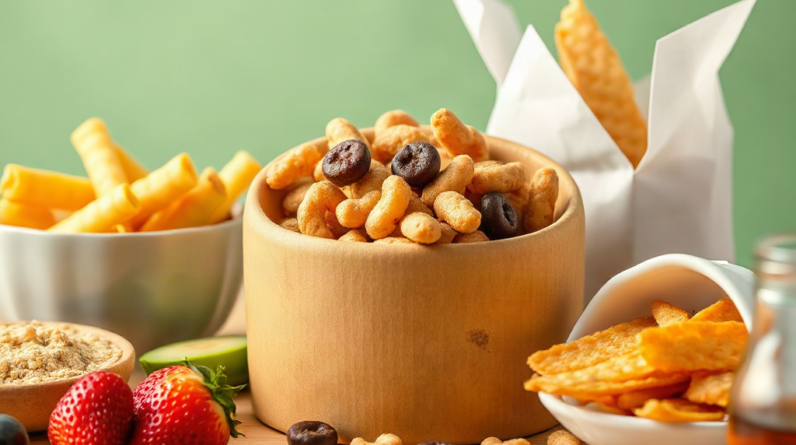
Replace Willpower With Reliable Eating Systems
Motivation naturally rises and falls, so a dependable food routine must still function on busy, stressful, or low-energy days. Decisions made in advance require less effort than deciding what to eat while hungry. A useful system covers three recurring moments: obtaining food, assembling meals, and handling days when the original plan becomes impractical.
Begin by identifying the decision that causes the most friction. Someone who regularly skips lunch and buys whatever is nearby has a different problem from someone who has groceries but lacks the energy to cook after work. The first person may need a packed lunch or a shortlist of suitable nearby orders. The second may benefit more from frozen vegetables, microwaveable grains, canned beans, eggs, rotisserie chicken, or another convenient protein that turns dinner into assembly rather than a lengthy recipe.
Make the preferred choice visible and easy. Store fruit where it can be seen, put ready-to-eat vegetables at eye level, and portion leftovers into lunch containers before cleaning up dinner. Keep less frequently chosen foods in a less prominent location rather than treating them as forbidden. Environment cannot determine every choice, but it changes how often a tired person must actively resist one option and search for another.
A compact weekly system might include one grocery check, two meal-preparation tasks, and one backup meal. The preparation tasks do not need to produce seven complete dinners. Cooking a pot of rice and roasting a tray of vegetables can create components for grain bowls, egg dishes, or a side for fish or tofu. A backup meal could be lentil soup with whole-grain toast, a bean-and-cheese quesadilla with salad, or yogurt with oats, fruit, and nuts when cooking is unrealistic.
The common mistake is designing the routine for an ideal week. Elaborate menus may feel motivating initially but often collapse under overtime, caregiving, travel, or a tight grocery budget. A smaller system that survives ordinary disruption is more valuable than an ambitious plan used briefly. For a broader review of routines related to how to maintain motivation for healthy eating long term, focus first on reducing repeated decisions rather than collecting more recipes.
Build Meals That Are Satisfying Enough to Repeat
A meal plan becomes difficult to maintain when it leaves you hungry, feels monotonous, or ignores foods you genuinely enjoy. Satisfaction is practical rather than indulgent: meals that provide enough food, appealing flavor, and a suitable mix of nutrients are less likely to trigger constant grazing or a rebound toward whatever feels most rewarding later.
For many people, a useful meal includes a source of protein, a fiber-containing carbohydrate, produce, and some fat or flavorful accompaniment. Breakfast might combine plain or lightly sweetened yogurt, oats, berries, and walnuts. Lunch could pair beans or chicken with brown rice, vegetables, avocado, and salsa. Dinner might include salmon or tofu, potatoes, and roasted broccoli with olive oil. These are templates, not nutritional prescriptions; portions and ingredients should reflect appetite, culture, access, allergies, medical needs, and personal preferences.
Whole foods often provide fiber, texture, and nutrient variety, but convenience foods are not automatically poor choices. Frozen vegetables, canned fish, pre-cooked grains, hummus, and lower-sodium canned beans can make balanced meals possible when time is limited. Highly processed snacks can also fit, although relying on them as meal replacements may leave some people less satisfied because the meal lacks protein, fiber, volume, or variety. The better comparison is not fresh cooking versus failure; it is a workable convenient meal versus the option you are likely to choose when no practical food is available.
Notice the difference between physical hunger and dissatisfaction with the plan. If you routinely become hungry an hour after lunch, examine meal size and composition before blaming weak discipline. Adding beans, eggs, tuna, tofu, whole grains, fruit, or a modest amount of nuts may make the meal more sustaining. If hunger is manageable but every meal feels joyless, change seasoning, texture, temperature, or cuisine. A nutritionally balanced dish that you dislike is not a strong long-term default.
Restrictive plans often fail because they remove too much at once. Eliminating bread, desserts, restaurant meals, and familiar family dishes can create social and practical costs that exceed any benefit. Unless a diagnosed condition requires specific restrictions, gradual adjustments are generally more workable: add vegetables to a familiar pasta dish, serve dessert intentionally instead of eating it while distracted, or alternate restaurant portions with a take-home serving. Healthy eating should support daily life, not demand continuous preoccupation with food.
Use Flexible Standards Instead of Perfection
Long-term consistency depends on treating individual meals as part of a larger pattern. One restaurant dinner, holiday meal, or convenience-food lunch does not erase previous choices. The damaging response is often not the meal itself but the conclusion that the entire plan has failed, followed by days of disengagement or compensatory restriction.
Set a minimum standard for difficult days and a fuller standard for days with more capacity. A minimum-standard dinner could be a frozen entrée plus vegetables, scrambled eggs and toast with fruit, or canned soup supplemented with beans. On a less pressured evening, you might cook a multi-component meal and save leftovers. Both versions move in the same direction; they simply reflect different time and energy constraints.
Planned flexibility also makes social eating easier. Before a celebration, avoid arriving extremely hungry because you tried to “save” food for later. Eat regular meals, choose the foods that matter to you, and pay attention to comfort without requiring perfect control. If restaurant portions are larger than you want, you can stop when comfortably satisfied or take some home. If you eat beyond comfort, the next useful action is an ordinary meal at the usual time—not fasting, punishment, or an extreme workout.
Use this brief recovery sequence when the routine breaks:
Good Health Solution is Easier Than Most People Think! Take a Look for Yourself!
- Name the disruption: Identify whether travel, stress, poor planning, limited money, hunger, or an unrealistic rule contributed.
- Resume at the next eating opportunity: Do not wait for Monday or a new month.
- Make one repair: Restock breakfast, pack tomorrow’s lunch, or choose a practical dinner.
- Adjust the system: If the same breakdown repeats, change the plan rather than demanding more self-control.
Flexibility should not become an excuse to abandon every useful boundary. The distinction is whether a choice is intentional and compatible with your broader pattern. Scheduling takeout on a demanding evening can preserve the routine; repeatedly ordering without considering hunger, cost, portions, or available alternatives may signal that the current plan needs revision. Readers exploring how to maintain motivation for healthy eating long term should aim for resilient consistency: enough structure to guide decisions and enough flexibility to survive real life.
Measure Progress and Repair Motivation Slumps
Progress is easier to sustain when you measure actions within your control. Body weight can fluctuate for reasons unrelated to a single day’s food choices, and it may be an inappropriate or distressing measure for some people. Behavioral indicators provide faster, clearer feedback: eating breakfast before a long shift, bringing lunch, including produce at dinner, cooking at home, or using a planned snack before becoming intensely hungry.
Select two or three behaviors to review weekly rather than tracking every bite indefinitely. A simple note might record how often you followed your grocery plan, ate a satisfying lunch, or used your backup meal instead of skipping dinner. The purpose is diagnosis, not grading. If the behavior happened only once, ask what blocked it. Perhaps ingredients spoiled, preparation took too long, or the meal was not enjoyable. Each answer points toward a practical adjustment.
Signs the approach is working include fewer urgent food decisions, steadier access to suitable meals, less guilt after flexible choices, and a routine that returns quickly after interruption. Signs it is failing include persistent hunger, frequent food waste, growing resentment, repeated weekend rebounds, social withdrawal, or extensive time spent calculating and compensating. These signals suggest that the plan is too restrictive, complex, expensive, or disconnected from your preferences.
Motivation slumps can also reflect a vague goal. “Eat better” offers no clear next action, while “pack lunch on Tuesday and Thursday” can be scheduled and reviewed. Connect the behavior to an immediate benefit you can observe, such as avoiding an afternoon energy crash, reducing rushed purchases, or having dinner ready before an evening commitment. Long-range health aims may matter, but immediate functional benefits often provide more useful day-to-day feedback.
Medical conditions, pregnancy, food allergies, digestive symptoms, medication effects, a history of disordered eating, or significant weight changes can alter what is appropriate. Generic nutrition advice should not replace individualized care. Seek help from a registered dietitian or qualified healthcare professional if eating rules are becoming rigid, you experience recurrent bingeing or compensatory behavior, meals cause substantial anxiety, or symptoms limit your food choices. Support is not a failure of motivation; it may be the safest way to create a plan that meets nutritional and medical needs.
Frequently Asked Questions
Why do I lose motivation to eat healthfully after a few weeks?
The initial plan may require too many decisions, restrict favorite foods, or demand more cooking than your schedule allows. Simplify it to several repeatable meals, convenient staples, and a backup option for demanding days.
Should I track every meal to stay consistent?
Not necessarily. Tracking two or three behaviors, such as packing lunch or preparing vegetables, may reveal useful patterns without making food feel like a constant accounting task.
How can I stay on track when eating at restaurants?
Eat normally earlier in the day, choose a meal you will enjoy, and respond to fullness without demanding perfection. Resume your usual pattern at the next meal rather than compensating.
What should I do after several days of less balanced eating?
Restart with the next practical meal and repair one part of your routine, such as buying breakfast ingredients or preparing lunch. Avoid severe restriction, which can perpetuate another disruption.
Can convenience foods be part of healthy eating?
Yes. Frozen produce, canned beans, yogurt, pre-cooked grains, and prepared proteins can reduce workload. Compare options by how well they satisfy you, fit your needs, and support a varied eating pattern.
Conclusion
Durable eating habits come from a plan that remains usable when time, energy, money, and enthusiasm are limited. Prioritize satisfying meals, accessible ingredients, a few dependable defaults, and a defined backup for disrupted days. Review behaviors you can change rather than interpreting every food choice or weight fluctuation as a verdict.
Choose one recurring friction point this week. If mornings are rushed, prepare a two-minute breakfast option; if dinner repeatedly falls apart, stock one complete freezer or pantry meal. Test the adjustment under normal conditions, then keep, simplify, or replace it based on what actually happened. A useful routine should reduce food-related effort and recover readily after exceptions. If the process creates persistent anxiety, extreme restriction, bingeing, or physical symptoms, pause self-directed changes and seek individualized professional support.
 Good Health Solution is Easier Than Most People Think! Take a Look for Yourself!