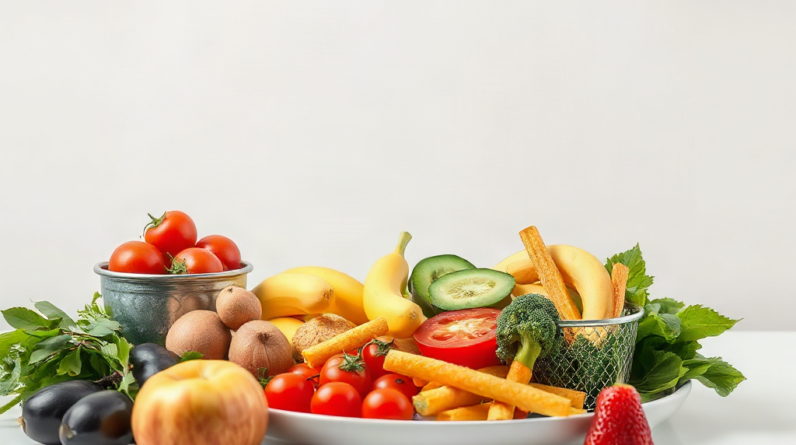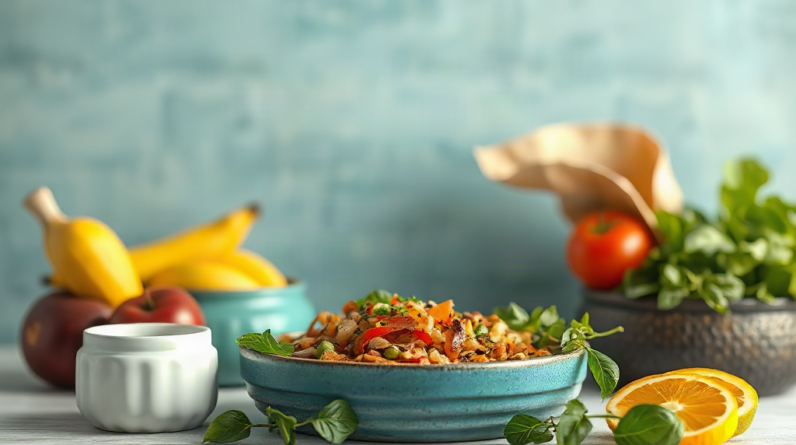
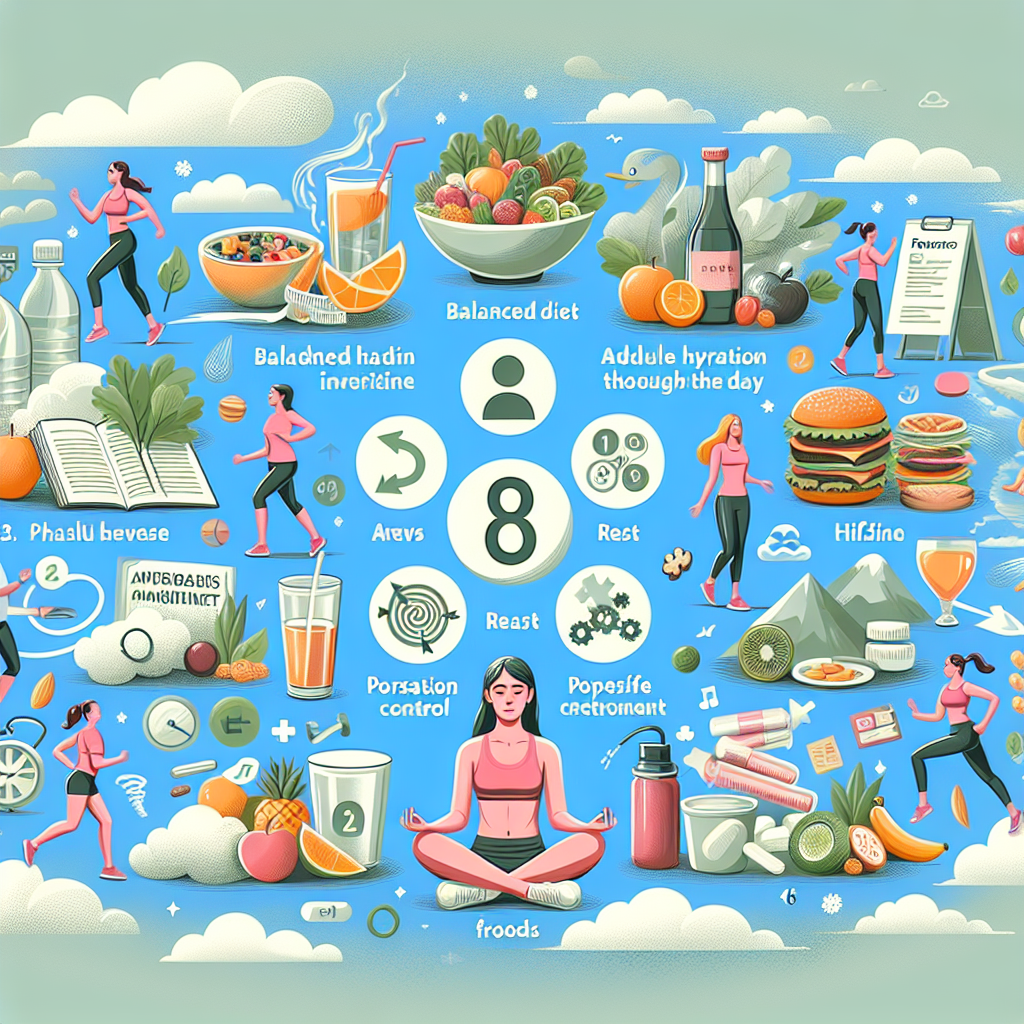
Incorporating a wide range of colorful fruits and vegetables ensures that you receive a broad spectrum of nutrients. For example, dark leafy greens are rich in iron and calcium, while berries provide antioxidants that combat oxidative stress. Additionally, whole grains like quinoa and brown rice offer fiber and essential B vitamins, contributing to digestive health and energy metabolism.
However, many individuals make the mistake of relying too heavily on processed foods that may seem convenient but lack nutritional value. It’s crucial to read labels and be mindful of added sugars and unhealthy fats. Prioritizing whole, minimally processed foods can lead to better health outcomes. Meal planning and preparation can also aid in making healthier choices consistently.
Nutrient-Dense Foods for Optimal Health
Nutrient-dense foods are those that provide the most nutrients per calorie. These include fruits and vegetables, which are high in vitamins and minerals while being low in calories. For example, leafy greens like spinach and kale offer iron, calcium, and vitamins A, C, and K. Fruits such as oranges and bananas provide vitamin C and potassium, essential for heart health.
Incorporating these foods into your diet can be done easily by adding fruits to breakfast cereals, snacking on vegetables, or using them in salads and smoothies. This not only enhances your nutrient intake but also adds flavor and variety to your meals.
The Role of Hydration in Physical Health
Hydration is often overlooked when discussing physical health, yet it plays a vital role in overall well-being. Water is essential for digestion, nutrient absorption, and temperature regulation. Dehydration can lead to fatigue, headaches, and decreased physical performance.
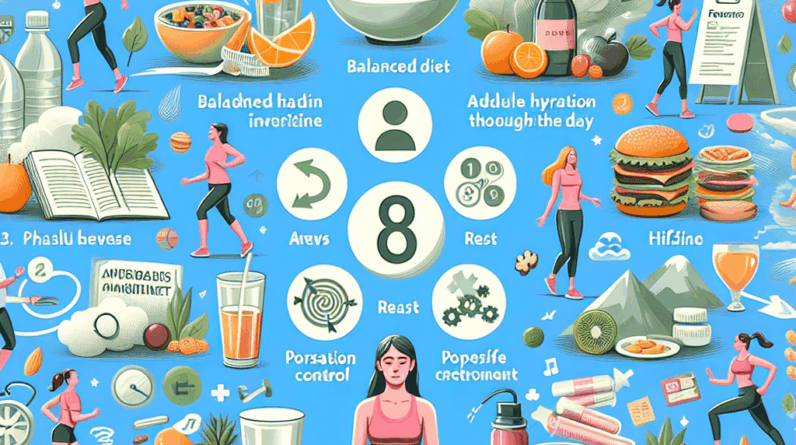
To ensure proper hydration, aim to drink plenty of water throughout the day. Incorporating hydrating foods such as cucumbers, oranges, and watermelon can also contribute to your fluid intake. Avoid relying solely on caffeinated or sugary beverages, as they can lead to dehydration.
Common Mistakes to Avoid
One common mistake people make is underestimating portion sizes. Even healthy foods can contribute to weight gain if consumed in excess. It’s important to be mindful of serving sizes, especially with calorie-dense foods like nuts and oils.
Another pitfall is neglecting to read food labels. Many packaged foods contain hidden sugars and unhealthy fats, which can undermine health goals. Always check the ingredient list and nutritional information to make informed choices.
Practical Tips for Incorporating Healthy Foods
Incorporating healthy foods into your diet doesn’t have to be difficult. Start by planning your meals for the week, focusing on including a variety of fruits, vegetables, whole grains, and lean proteins. Preparing meals in advance can help you avoid the temptation of fast food or unhealthy snacks.
Additionally, consider trying new recipes that highlight healthy ingredients. This can make eating nutritious foods more enjoyable and prevent dietary boredom. Engaging in cooking with family or friends can also create a supportive environment for healthy eating.
Good Health Solution is Easier Than Most People Think!
Take a Look for Yourself!
Further Reading
Authoritative Sources
- NIH Office of Dietary Supplements
ods.od.nih.govEvidence-based information on vitamins, minerals, supplements, and nutrition-related questions
- USDA FoodData Central
fdc.nal.usda.govUSDA nutrient data for foods and ingredients used in nutrition decisions
- Harvard T.H. Chan School of Public Health Nutrition Source
hsph.harvard.eduPublic health nutrition guidance and educational resources
Frequently Asked Questions
What types of foods should I eat to boost my physical health?
Focus on whole foods like fruits, vegetables, whole grains, and lean proteins for optimal physical health.
How can I ensure I’m getting enough nutrients?
Incorporate a variety of colorful fruits and vegetables into your meals to cover a broad range of nutrients.
What are common mistakes to avoid when eating healthy?
Be mindful of portion sizes and read food labels to avoid hidden sugars and unhealthy fats.
How important is hydration for physical health?
Proper hydration is essential for digestion, nutrient absorption, and maintaining energy levels.
What are some practical tips for incorporating healthy foods?
Meal planning, trying new recipes, and cooking with others can make healthy eating more enjoyable and sustainable.
Conclusion
In conclusion, prioritizing foods that boost physical health is crucial for achieving overall well-being. A diet rich in nutrient-dense fruits, vegetables, whole grains, and lean proteins can enhance energy levels, support bodily functions, and prevent chronic diseases. By being mindful of portion sizes, staying hydrated, and avoiding processed foods, you can make significant strides towards better health. Take actionable steps today by planning your meals, experimenting with new recipes, and making informed choices about what you eat.

Good Health Solution is Easier Than Most People Think!
Take a Look for Yourself!