Consider factors such as your activity level, any dietary restrictions, and specific health objectives. It’s essential to understand your body’s needs, as this will guide your food choices and portion sizes. A common mistake is underestimating calorie intake or relying too heavily on convenience foods, which can lead to imbalanced nutrition.
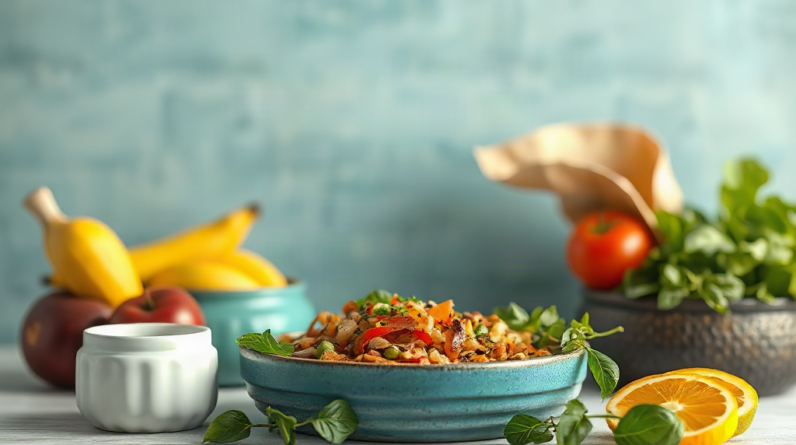
Next, develop a weekly menu that includes a mix of meals and snacks. Aim for a variety of colors and textures on your plate, which often indicates a range of nutrients. Planning your meals ahead of time can help you avoid the temptation of unhealthy options when you’re hungry. Remember, meal prepping can significantly streamline your week, allowing you to prepare several meals in advance, which saves time and promotes healthier eating habits.
Planning your meals ahead of time can help you avoid the temptation of unhealthy options when you're hungry. A common mistake is underestimating calorie intake or relying too heavily on convenience foods, which can lead to imbalanced nutrition.
Assessing Your Nutritional Goals
Understanding your nutritional goals is the first step in creating a healthy meal plan. This involves evaluating your current health status, activity level, and any specific dietary requirements you may have. For instance, athletes may require higher protein intake, while someone managing diabetes might focus on carbohydrate control. Setting clear, achievable goals can guide your food choices and meal preparation.
To assess your goals, consider keeping a food diary for a week. This can help you identify patterns in your eating habits and areas that need adjustment. Be mindful of portion sizes and how different foods affect your energy levels. An important aspect is to ensure that your meals are not only nutritious but also enjoyable, which can help maintain long-term adherence to your meal plan.
Creating a Balanced Menu
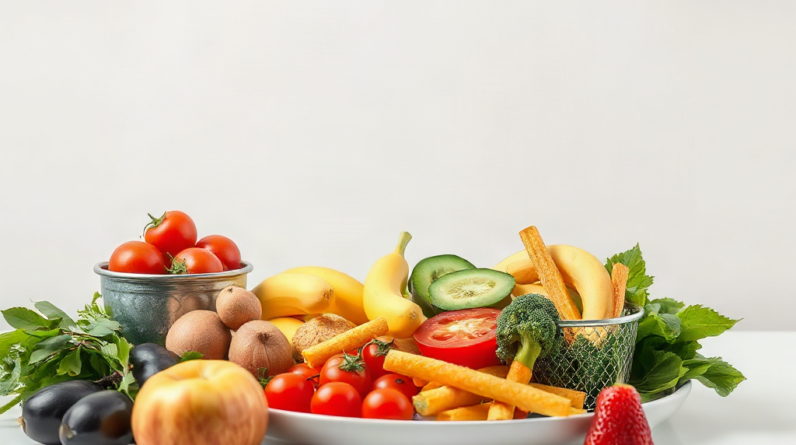
A balanced menu should include a variety of food groups to ensure you receive all necessary nutrients. Aim for meals that incorporate lean proteins, healthy fats, whole grains, and a wide range of fruits and vegetables. This diversity not only enhances nutrient intake but also keeps meals interesting.
When planning your menu, consider the following tips:
- Include a source of protein in every meal to promote satiety.
- Incorporate healthy fats, such as avocados and nuts, to support overall health.
- Choose whole grains over refined grains to increase fiber intake.
- Plan for a variety of snacks that are nutritious and satisfying.
Meal Prep Strategies
Meal prepping can be a game-changer in maintaining a healthy eating routine. By preparing meals in advance, you can save time during busy weekdays and avoid unhealthy food choices. Start by selecting a day of the week to cook and prepare your meals.
Consider batch cooking staples like grains and proteins, and then mix and match them throughout the week. Store portions in clear containers for easy access. Labeling your meals with dates can also help keep track of freshness. One common pitfall is preparing too many similar meals, which can lead to boredom; ensure a variety of flavors and textures.
Common Mistakes to Avoid
When creating a healthy meal plan, being aware of common mistakes can help you stay on track. One frequent error is not having a clear plan for snacks, which can lead to reaching for unhealthy options. Another mistake is underestimating portion sizes, particularly with high-calorie foods.
To avoid these pitfalls, always include healthy snacks in your meal plan, such as fruits, nuts, or yogurt. Additionally, measure out portion sizes when preparing meals to ensure consistency and avoid overeating. Lastly, be flexible and willing to adjust your plan as needed to maintain balance and enjoyment.
Good Health Solution is Easier Than Most People Think!
Take a Look for Yourself!
Further Reading
Authoritative Sources
- Whole Grains Council Grain Resources
wholegrainscouncil.orgPractical grain education covering whole grains, oats, milling context, and food-use guidance
- USDA FoodData Central Grain Nutrition Data
fdc.nal.usda.govUSDA food composition data useful for oats, flour, meal, and grain-based nutrition references
- USDA Agricultural Research Service
ars.usda.govAgricultural research resources related to grains, crops, processing, and food quality
Frequently Asked Questions
What are the key components of a healthy meal plan?
A healthy meal plan includes a variety of foods from all food groups, focusing on lean proteins, whole grains, fruits, and vegetables.
How can I ensure my meal plan is balanced?
To ensure balance, include a mix of macronutrients—proteins, fats, and carbohydrates—and aim for colorful plates with various food types.
What are some easy meal prep tips?
Batch cook staples, use clear containers for portioning, and label meals with dates to maintain freshness and variety.
How often should I change my meal plan?
Review and adjust your meal plan weekly to keep it fresh and aligned with your nutritional goals and preferences.
What common mistakes should I avoid in meal planning?
Avoid underestimating portion sizes and neglecting healthy snack options, which can lead to unhealthy eating patterns.
Conclusion
Creating a healthy meal plan is essential for maintaining balanced nutrition and overall well-being. By assessing your nutritional goals, developing a diverse menu, and utilizing effective meal prep strategies, you can create a plan that fits your lifestyle. Remember to avoid common mistakes such as neglecting snacks or underestimating portions. Prioritize enjoying your meals while staying committed to your health objectives, and don’t hesitate to adjust your plan as needed for long-term success.

Good Health Solution is Easier Than Most People Think!
Take a Look for Yourself!