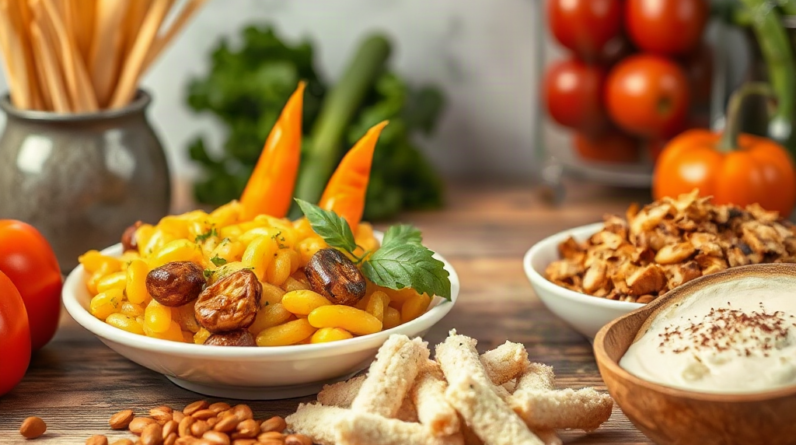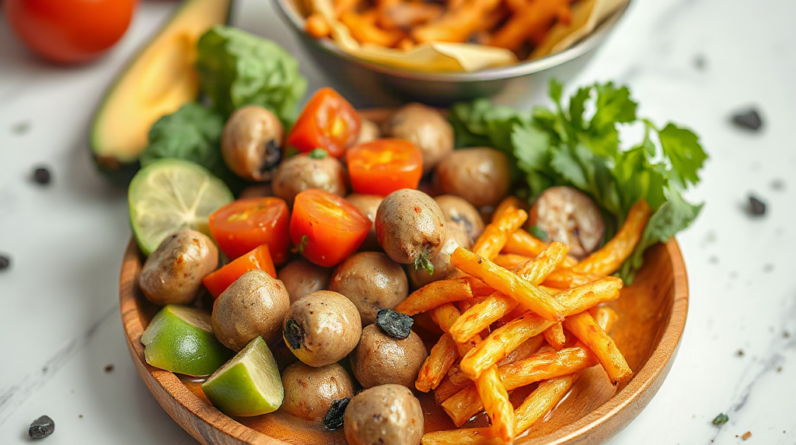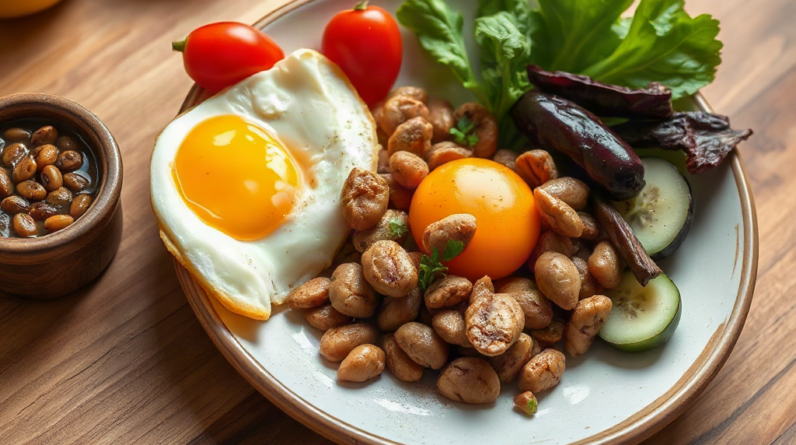
Healthy savory breakfast ideas without sweet foods combine a protein-rich base, vegetables or beans, a high-fiber carbohydrate, and a modest amount of flavorful fat. Eggs with spinach and whole-grain toast, tofu with peppers, or lentils with roasted vegetables offer more staying power than a breakfast built mainly from refined bread. Prepare cooked grains, chopped vegetables, or bean fillings ahead, but refrigerate perishable ingredients promptly and reheat them thoroughly. Choose lower-sodium canned goods when convenient, adjust portions to your appetite and activity, and avoid assuming that every savory packaged breakfast is nutritionally balanced.
What Makes a Savory Breakfast Balanced?
A balanced savory breakfast usually contains a meaningful protein source, a fiber-containing plant food, and enough energy to match the rest of the morning. Protein may come from eggs, plain Greek yogurt used as a sauce, cottage cheese, tofu, tempeh, beans, lentils, fish, or leftover poultry. Vegetables, legumes, fruit such as avocado or tomato, and whole grains contribute fiber and texture. Olive oil, seeds, nuts, cheese, or avocado can add fat and flavor, although portions matter because these ingredients are energy-dense.
The useful test is not whether a meal looks like conventional breakfast food. A bowl of leftover brown rice, black beans, sautéed cabbage, and an egg can function well in the morning because it combines several food groups. By comparison, a plain white bagel or two slices of toast may be convenient but provide limited protein and fiber on their own. Adding mashed beans, tomato, and an egg changes both the nutrient mix and how substantial the meal feels.
Portion needs differ with appetite, body size, activity, medical needs, and the timing of the next meal. Someone eating lunch within three hours may prefer vegetable toast with cottage cheese. A person facing a long, active morning may need a larger plate containing eggs or tofu, potatoes or whole-grain bread, and vegetables. A breakfast does not need to be unusually large or high in protein to be worthwhile; it needs to fit the person’s day without leaving major nutritional gaps.
A common mistake is treating “savory” as shorthand for bacon, sausage, cheese, and refined bread. Those foods can fit occasionally, but using all of them as the foundation may produce a meal high in sodium and saturated fat with little fiber. A better priority is to make vegetables, beans, whole grains, eggs, or minimally processed proteins the foundation, then use stronger cheeses or cured meat as smaller flavor accents.
Another weak assumption is that every plate needs perfect proportions. Breakfast quality is better judged across ordinary eating patterns than by one meal. If vegetables are unrealistic first thing in the morning, try beans on whole-grain toast or add leftover greens to an egg wrap. A practical combination that gets eaten regularly is more useful than an elaborate recipe that creates waste or does not suit your appetite.
Savory Breakfast Combinations for Different Mornings
The best combination depends on time, cooking access, appetite, and whether the meal must travel. Instead of collecting complicated recipes, keep several flexible formats that work with ingredients already in the refrigerator. Each format should have a clear anchor—such as eggs, tofu, beans, or yogurt—rather than relying on a small garnish of protein.
| Morning situation | Practical combination | Useful adjustment |
|---|---|---|
| Five-minute breakfast | Whole-grain toast with cottage cheese, tomato, and pepper | Add cucumber or leftover roasted vegetables |
| Warm meal | Egg and spinach skillet with potatoes | Use precooked potatoes to shorten cooking time |
| Plant-based option | Tofu scramble with peppers, mushrooms, and toast | Add nutritional yeast or herbs for deeper flavor |
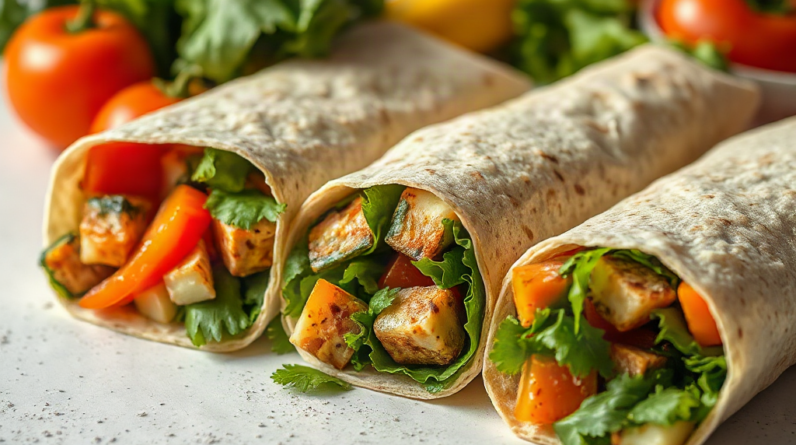
| Portable meal | Bean, egg, and cabbage breakfast wrap | Pack salsa separately to prevent sogginess |
| Use-leftovers meal | Brown rice bowl with lentils, greens, and tahini | Thin the tahini with lemon and water |
Eggs are flexible, but they do not have to appear every morning. A white-bean mash seasoned with lemon, black pepper, and herbs makes a substantial toast topping. Tofu absorbs cumin, smoked paprika, turmeric, garlic, or chili, making it useful for people who prefer plant-based food or simply want variety. Plain yogurt can become a savory base when mixed with cucumber, herbs, and a little olive oil, then served alongside chickpeas and whole-grain flatbread.
For a larger weekend breakfast, build a sheet-pan meal with chopped potatoes, peppers, onions, and chickpeas. Roast until the vegetables are tender, then add eggs near the end if desired. This approach is easier to scale than frying several separate items. The tradeoff is time: roasting takes longer, so it works better when the vegetables are chopped in advance or when leftovers will cover another morning.
Portable meals require different decisions. Wet tomatoes, salsa, and yogurt sauces can soften wraps or bread during a commute. Use a barrier such as hummus, mashed beans, or leafy greens, and carry runny condiments separately. If refrigeration is unavailable, choose an insulated bag with a cold pack for eggs, dairy, tofu, cooked grains, and other perishable fillings rather than leaving them at room temperature for an extended period.
Watch for signs that a combination is not meeting your needs. Repeated hunger soon after breakfast may indicate that the meal is too small or lacks protein, fiber, or fat. Feeling uncomfortably full may mean the portion is larger than necessary or especially rich. Adjust one component at a time—for example, add beans to toast or reduce a heavy cheese topping—rather than replacing the entire breakfast routine.
How Can You Build Flavor Without Excess Salt?
Strong savory flavor can come from acidity, browning, spices, herbs, and contrasting textures rather than salt alone. Lemon juice brightens chickpeas and greens, while vinegar sharpens sautéed mushrooms or cabbage. Toasting spices briefly in a pan releases their aroma, and browning potatoes, tofu, or vegetables produces deeper flavors than steaming everything together.
Use a simple flavor structure: choose one aromatic, one spice direction, and one acidic finish. Garlic, scallions, onions, or ginger can provide the aromatic base. Cumin and smoked paprika suit beans and eggs; turmeric, coriander, and black pepper work well with tofu; dill and parsley pair naturally with yogurt, cucumber, and potatoes. Finish with lemon, lime, or vinegar after cooking so its brightness remains noticeable.
Texture also changes how satisfying a simple breakfast feels. Creamy white beans benefit from crisp radishes or toasted seeds. Soft scrambled eggs become more interesting beside roasted potatoes or crunchy cabbage. A grain bowl gains contrast from cucumber, pumpkin seeds, or crisp chickpeas. This approach can reduce dependence on large amounts of cheese, cured meat, or salty bottled sauce without making the meal bland.
Packaged savory foods deserve a closer look because salt can accumulate across several ingredients. A wrap made with deli meat, cheese, a commercial tortilla, and bottled sauce may contain multiple concentrated sodium sources even if no salt is added during cooking. Compare labels within the same product category when sodium is a concern, rinse canned beans when practical, and use one strongly flavored ingredient instead of stacking several. For instance, a small amount of feta may provide enough seasoning for eggs, tomatoes, and spinach without also adding cured meat and a salty sauce.
Good Health Solution is Easier Than Most People Think! Take a Look for Yourself!
Lower-sodium choices are not mandatory for every person or every meal, and individual health needs vary. People who have been advised to limit sodium should follow guidance from their clinician or registered dietitian rather than relying on a generic breakfast formula. Conversely, removing nearly all salt without replacing it with acidity, herbs, or browning often produces an unsatisfying meal and makes the routine harder to maintain.
A quick taste check prevents overcorrection. Season gradually, add acid near the end, and taste before reaching for more salt. If the food still seems flat, it may need heat from chili, freshness from herbs, or contrast from a crisp topping. The goal is not flavor deprivation; it is a breakfast whose flavor does not depend entirely on processed meats, cheese, or condiments.
How Do You Prep Savory Breakfasts Ahead?
Efficient preparation focuses on versatile components rather than fully assembled meals. Cook one grain or potato, prepare one protein, and wash or roast several vegetables. These pieces can become a bowl, wrap, toast topping, or skillet during the week, which reduces repetition without requiring a different recipe every day.
A practical preparation sequence begins with the longest-cooking item. Roast potatoes or vegetables while lentils, quinoa, or brown rice cook. Meanwhile, chop raw toppings and mix one sauce, such as herbed yogurt or lemon-tahini dressing. Eggs are usually better cooked close to serving, while tofu scramble, cooked beans, and roasted vegetables reheat more predictably. Store wet sauces separately from bread and wraps.
- Choose a protein: cook beans, lentils, tofu, or a batch of hard-cooked eggs.
- Add a fiber-rich base: prepare oats for a savory porridge, whole grains, potatoes with skins, or whole-grain bread.
- Prepare vegetables: roast a tray or wash and chop quick-cooking options such as spinach, mushrooms, and peppers.
- Make one concentrated flavor: mix a herb sauce, spice blend, salsa, or lemon dressing.
- Assemble only what you need: keep components separate until the evening before or the morning of serving.
Food safety matters when breakfast includes cooked grains, eggs, dairy, beans, tofu, meat, or fish. Refrigerate perishable cooked components promptly in shallow containers so they cool efficiently. Use clean utensils, keep the refrigerator cold, and discard food that has developed an unusual odor, appearance, or texture. Reheat cooked items until thoroughly hot rather than warming only the surface. Anyone with heightened food-safety risks should seek current guidance appropriate to their circumstances.
Freezing can help, but not every component handles it equally well. Bean-and-vegetable burritos, cooked grains, and firm breakfast patties generally freeze more successfully than fresh tomatoes, cucumber, or yogurt sauces. Potatoes may change texture, and eggs can become rubbery if overcooked before freezing. Slightly undercooking vegetables and cooling fillings before wrapping can improve the final result.
The most frequent meal-prep failure is making too much of one finished dish. Eating the same dense egg casserole for several mornings can become unappealing, leading to waste or an unplanned convenience purchase. Preparing neutral components provides more options: roasted peppers can go into eggs, a grain bowl, or a bean wrap, while lentils can be seasoned differently each day.
A working system should make mornings easier without creating an exhausting weekend project. Start with two prepared components and one quick fresh item. If they are used before quality declines and breakfast takes less effort, the system is doing its job. If containers linger untouched, reduce the batch size, choose foods you already enjoy, or prepare only the slowest part of the meal.
Frequently Asked Questions
What can I eat for a savory breakfast without eggs?
Try tofu scramble, beans on whole-grain toast, lentil and vegetable bowls, savory oatmeal, hummus with vegetables and flatbread, or cottage cheese with tomatoes if dairy fits your diet.
Are leftovers appropriate for breakfast?
Yes. Properly stored rice, beans, roasted vegetables, chicken, fish, or soup can make a practical breakfast. Breakfast quality depends more on the meal's composition and safe storage than on traditional morning labels.
How can I make a savory breakfast more filling?
Add a clear protein source and a fiber-rich ingredient. Eggs with beans, tofu with vegetables and whole-grain toast, or yogurt with chickpeas and cucumber will usually be more substantial than bread alone.
What is a quick savory breakfast for work?
Pack a whole-grain wrap with mashed beans, chopped vegetables, and an egg or tofu. Keep salsa or yogurt sauce separate, and use an insulated lunch bag with a cold pack for perishable fillings.
Can oatmeal be savory instead of sweet?
Yes. Cook oats without sweetener, then add spinach, mushrooms, an egg, tofu, scallions, pepper, or a small amount of cheese. Choose plain oats rather than a flavored sweetened packet.
Conclusion
A useful savory breakfast routine begins with flexible ingredients rather than an ambitious collection of recipes. Keep eggs, tofu, beans, lentils, or plain dairy available as protein options, then pair one with vegetables and a whole grain or potato. Use herbs, spices, acidity, and browning to create flavor before relying on processed meat, heavy cheese, or salty sauces.
Choose the format that matches the morning: toast for speed, a wrap for travel, a skillet for a hot meal, or a grain bowl for using leftovers. Prepare only the components that genuinely save time, store perishable foods carefully, and adjust portions according to appetite and the length of the morning. Start by selecting two combinations you would willingly eat more than once, prepare one slow-cooking component ahead, and refine the routine based on hunger, convenience, waste, and enjoyment.
 Good Health Solution is Easier Than Most People Think! Take a Look for Yourself!