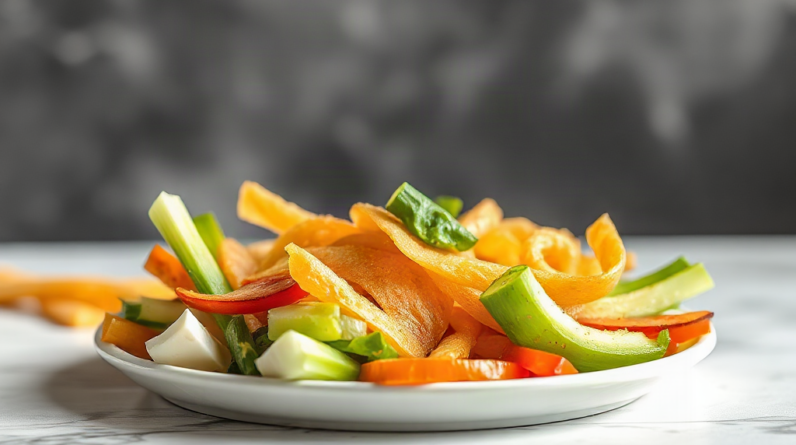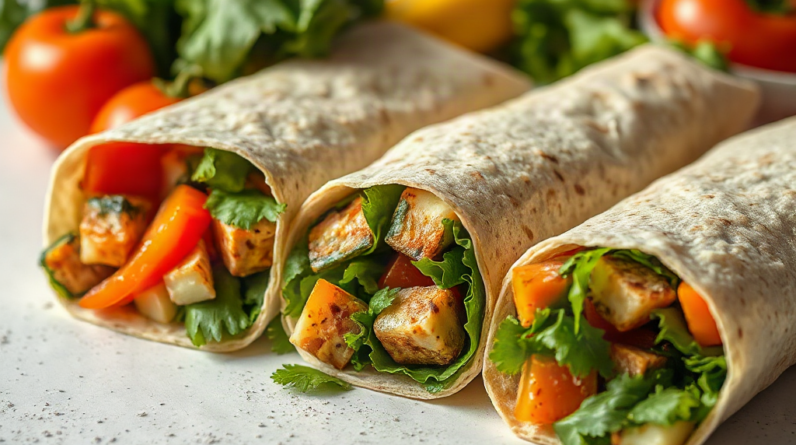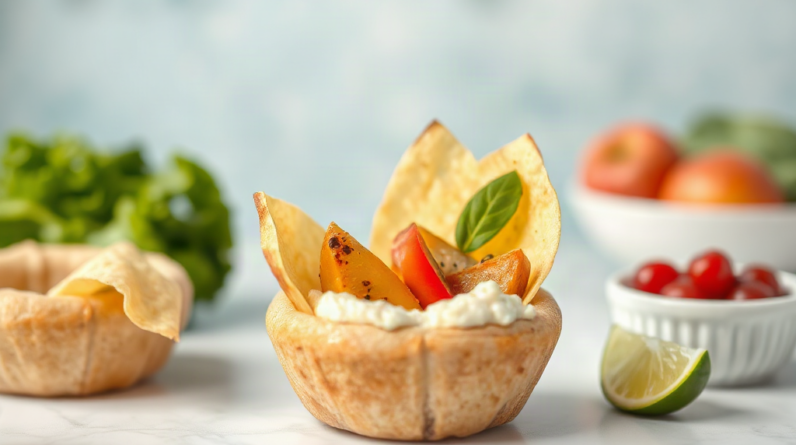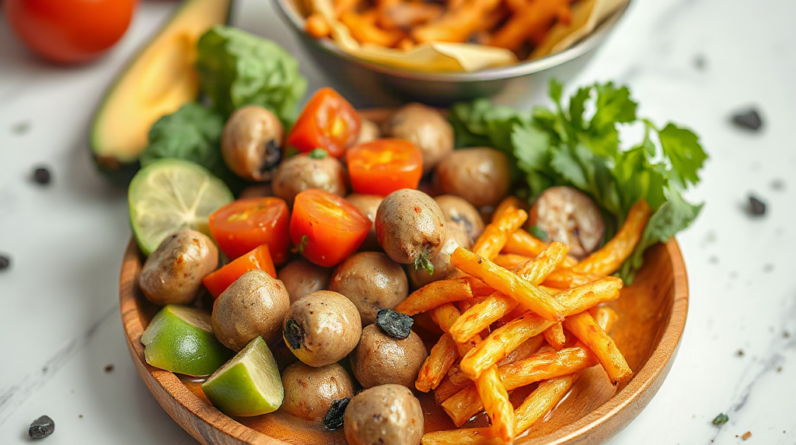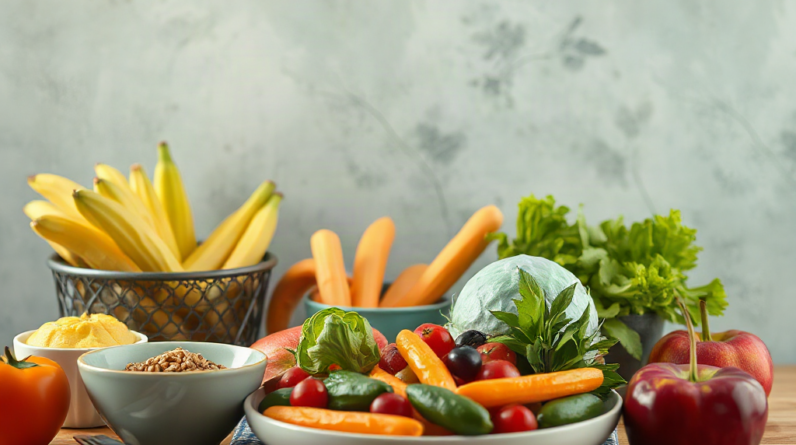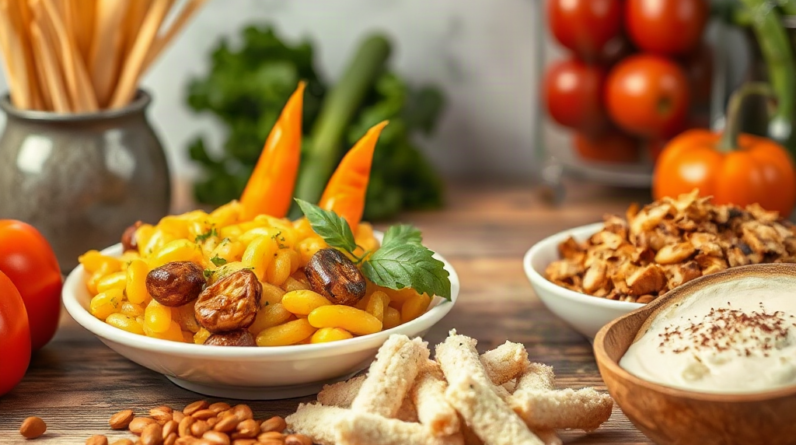
Healthy sides that add fiber to dinner include lentils, beans, roasted vegetables, whole grains, peas, baked sweet potatoes, leafy salads, and fruit-based slaws. These foods contribute fiber through intact plant cell walls, while their water, volume, and varied textures can make a meal more satisfying. Pair one legume or whole grain with a vegetable side rather than relying on a small garnish, and keep edible skins when appropriate. Increase fiber gradually, drink fluids regularly, and choose softer cooked options if a sudden jump in beans, bran, or raw vegetables causes bloating or discomfort.
Which Dinner Sides Provide Meaningful Fiber?
A useful fiber-rich side contains a substantial portion of intact plant food, not merely a sprinkling of herbs or a few decorative vegetables. Legumes, vegetables, whole grains, and fruit are the main dinner-side categories to consider. Their fiber remains in the parts of the plant that refining, peeling, straining, or juicing may remove.
The form of the food matters. A side of brown rice generally retains more of the grain than white rice, while a baked potato with its skin preserves plant material that is lost when the potato is peeled. Whole fruit contributes more fiber than strained juice. Beans and lentils are particularly practical because they combine fiber with plant protein and starch, allowing a modest side to add substance to a light dinner.
Portion size changes the result as much as ingredient choice. A tablespoon of corn in a salad is not equivalent to a scoop of peas, lentils, or barley. When fiber is the goal, give the plant side enough room on the plate to function as part of the meal. For example, grilled fish with half a plate of roasted broccoli and carrots offers a different eating experience from grilled fish with two broccoli florets beside a large serving of refined pasta.
Preparation affects comfort and practicality, although cooking does not automatically make a vegetable nutritionally inferior. Roasting, steaming, braising, or simmering can soften fibrous plant structures and make vegetables or legumes easier to eat. Raw cabbage slaw supplies crunch, but cooked cabbage may suit someone who finds large raw salads uncomfortable. The better choice is the one that can be eaten consistently without turning dinner into a digestive challenge.
Watch for sides that sound vegetable-forward but contain little actual produce. A creamy casserole with a small amount of spinach, for instance, may function more like a rich starch or sauce than a vegetable serving. Likewise, products labeled “multigrain” are not necessarily made mostly from whole grains. Check whether a whole grain appears prominently in the ingredient list, and assess the plate by the amount of intact plant food you can actually see and eat.
Eight Practical Fiber-Rich Sides
The most practical options use familiar ingredients and can share seasonings with the main course. Variety matters because different sides solve different dinner problems: legumes add staying power, cooked vegetables add volume, whole grains absorb sauces, and crisp slaws provide contrast to soft or rich foods.
| Side | Best Use | Practical Preparation |
|---|---|---|
| Lentil salad | Cold or room-temperature meals | Toss cooked lentils with chopped vegetables, lemon, and olive oil |
| Seasoned beans | Tacos, chicken, fish, or rice bowls | Warm rinsed canned beans with cumin, garlic, or herbs |
| Roasted mixed vegetables | Sheet-pan dinners | Cut vegetables evenly and leave edible skins on |
| Barley or quinoa pilaf | Saucy mains and meal prep | Cook in broth and fold in herbs or vegetables |
| Peas with herbs | Fast weeknight meals | Heat frozen peas and finish with mint, parsley, or lemon |
| Baked sweet potato | Spicy, smoky, or savory mains | Bake with the skin and serve with a savory topping |
| Leafy salad with additions | Heavy or rich entrées | Add chickpeas, seeds, pears, or shredded carrots |
| Cabbage-apple slaw | Burgers, beans, or roasted meats | Use a vinegar-based dressing and keep the fruit unpeeled |
Lentils and beans are strong choices when the main dish is small or low in plant foods. Canned versions reduce preparation time; draining and rinsing them can improve flavor and remove some of the packing liquid. A warm white-bean side with tomatoes and rosemary can accompany chicken, while black beans with lime fit tacos or roasted squash. Start with a comfortable portion if legumes are not already part of your routine.
Roasted vegetables are better suited to cooks who want one pan and flexible quantities. Brussels sprouts, cauliflower, carrots, onions, and broccoli can cook together if the pieces are sized according to how quickly they soften. Crowding the pan traps steam and limits browning, so use two pans when preparing a large batch. Frozen vegetables are also legitimate dinner ingredients; peas and mixed vegetables can go directly from freezer to pan with little waste.
Whole-grain sides work best when the main course has juices, broth, or sauce. Barley has a chewy texture, while quinoa cooks more quickly and suits meals where a lighter grain is preferred. A common failure is treating a tiny amount of grain as the only plant component. Combine the grain with mushrooms, spinach, peas, or diced peppers so the side delivers more variety and volume.
Salads and slaws need substantial additions to move beyond garnish status. Chickpeas, pumpkin seeds, pears, cabbage, and grated carrots contribute more than a bowl of delicate leaves alone. Keep dressing proportional: enough to coat the ingredients, but not so much that sweetness, salt, or richness overwhelms the plants the side was meant to feature.
How Do You Build a Balanced, Fiber-Rich Plate?
A workable dinner pairs a familiar main dish with one deliberate fiber source and, when appetite permits, a second plant food. Trying to transform every component at once can produce an oversized meal or flavors that do not fit together. Begin by identifying what the entrée lacks. Meat with mashed potatoes may need a green vegetable or beans; vegetable soup may benefit more from whole-grain bread than another bowl of vegetables.
Flavor matching makes the side feel integrated rather than medicinal. Use the same seasoning family across the plate: cumin and lime for black beans beside tacos, rosemary and garlic for white beans beside roasted poultry, or sesame and ginger for broccoli beside tofu or fish. Acid from lemon juice or vinegar can brighten earthy legumes and cooked greens, while toasted nuts or seeds add contrast to soft vegetables.
Texture deserves equal attention. A soft dinner of baked fish and mashed vegetables may be more appealing with crisp cabbage slaw. A dry grilled entrée often pairs better with a moist lentil salad or tomato-braised beans. Matching texture and moisture reduces the temptation to cover the side with heavy sauces simply to make it enjoyable.
A simple dinner-building sequence keeps the decision manageable:
Good Health Solution is Easier Than Most People Think! Take a Look for Yourself!
- Assess the entrée. Note whether it already contains beans, vegetables, or a whole grain.
- Choose the missing plant category. Add a legume for substance, vegetables for volume, or a whole grain for a sauce-friendly starch.
- Match seasoning and texture. Repeat one flavor from the entrée and add contrast where the plate feels monotonous.
- Use a realistic portion. Serve enough for the side to matter, but avoid doubling several bulky foods when diners are not accustomed to them.
- Observe the result. A successful side is enjoyable, fits the cooking schedule, and leaves the meal satisfying without persistent discomfort.
Convenience is a valid decision factor. Canned beans, frozen peas, microwaveable plain whole grains, bagged shredded cabbage, and pre-cut vegetables can make a fiber-rich side possible on a busy night. Compare labels when products include sauces or seasoning packets, since these additions may change sodium, added sugar, and richness. Convenience foods built from recognizable whole plant ingredients can still be useful; the mistake is assuming every packaged vegetable or grain product is nutritionally identical.
People managing digestive conditions, fluid restrictions, kidney concerns, or medically prescribed diets may need individualized choices. Some commonly recommended high-fiber foods may not fit every clinical plan. A registered dietitian or other qualified clinician can help adapt portions and ingredients without treating fiber as a universal prescription.
What Common Mistakes Make Fiber Sides Less Useful?
Increasing fiber too quickly is a frequent reason a well-intended dinner plan becomes uncomfortable. A sudden meal containing bean chili, a large raw salad, whole-grain bread, and fruit may be far more plant material than someone usually eats at one sitting. Gas, pressure, or changes in bowel habits do not necessarily mean every high-fiber food must be abandoned; they may indicate that the amount, combination, or pace needs adjustment.
Build gradually by changing one side at a time. Replace white rice with a mixed brown-and-white rice side, add a small scoop of lentils to roasted vegetables, or increase beans across several meals rather than concentrating them in one dinner. Regular fluid intake generally matters as fiber intake rises, but anyone with a medically directed fluid limit should follow professional guidance rather than generic hydration advice.
Another mistake is equating “raw” with “better.” Cooking can make carrots, greens, cabbage, and legumes easier to chew and more comfortable for some people. Raw vegetables provide useful crunch, but an enormous salad is not automatically the best route to a higher-fiber dinner. Steamed broccoli, braised greens, vegetable soup, and roasted squash can be more approachable while still preserving the value of whole plant foods.
Peeling everything by habit can remove useful plant material, yet leaving every skin intact is not mandatory. Potato, sweet potato, apple, pear, carrot, and eggplant skins can often be eaten when washed and cooked appropriately. Tough, damaged, waxy, or personally intolerable skins may reasonably be removed. Food safety, texture, and enjoyment take priority over forcing an ingredient that makes the meal unpleasant.
Heavy additions can also obscure the purpose of the side. Large quantities of cheese sauce, butter, sugary glaze, or creamy dressing may make vegetables appealing, but they can shift the side toward a richer dish that no longer balances the entrée. That does not make these ingredients forbidden. Use enough for flavor, then rely on herbs, spices, citrus, vinegar, toasted aromatics, or a modest amount of oil for additional character.
Judge success by more than a single evening. A side is working when it appears regularly, complements the main dish, and does not create ongoing discomfort or excessive preparation demands. It is failing when ingredients repeatedly spoil, cooking time disrupts dinner, or the same oversized portion causes symptoms. In that case, choose a smaller serving, a softer preparation, or a convenient alternative rather than dropping plant sides entirely.
Frequently Asked Questions
What is the easiest high-fiber side for a busy dinner?
Warm rinsed canned beans or frozen peas with herbs and lemon. Both require little preparation and can be seasoned to match many main dishes.
Are cooked vegetables still useful sources of fiber?
Yes. Cooking softens vegetables but does not automatically remove their fiber. Straining, juicing, peeling, or heavily refining foods is more likely to discard fiber-rich plant material.
Which side works well for someone new to eating more fiber?
Try a moderate portion of cooked vegetables, peas, or a mixed whole-grain side. Add beans and large raw salads gradually if they tend to cause digestive discomfort.
Can potatoes count as a fiber-rich dinner side?
Potatoes contribute fiber, particularly when the edible skin remains. Pair a baked or roasted potato with another vegetable or beans when the rest of the meal contains few plant foods.
Do salads always add much fiber to dinner?
Not necessarily. A small bowl of tender leaves may contribute less than a salad containing cabbage, chickpeas, carrots, fruit, seeds, or other substantial plant ingredients.
Conclusion
Choose dinner sides by looking at what the entrée is missing, then add an intact plant food in a portion large enough to matter. Beans and lentils bring substance, whole grains work well with sauces, cooked vegetables add volume, and slaws or salads provide crisp contrast. Flavor compatibility, preparation time, and digestive comfort determine whether a choice will become routine.
For the next dinner, change one component rather than rebuilding the entire plate. Add seasoned peas to pasta, serve lentils beside fish, mix vegetables into barley, or keep the skin on a baked sweet potato. If the change causes persistent discomfort, reduce the portion or try a softer cooked option. Consistent, enjoyable sides are more practical than an occasional overloaded plate.
 Good Health Solution is Easier Than Most People Think! Take a Look for Yourself!