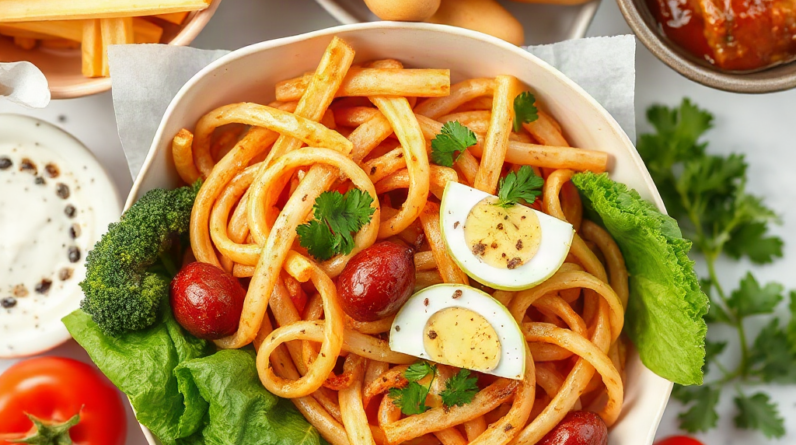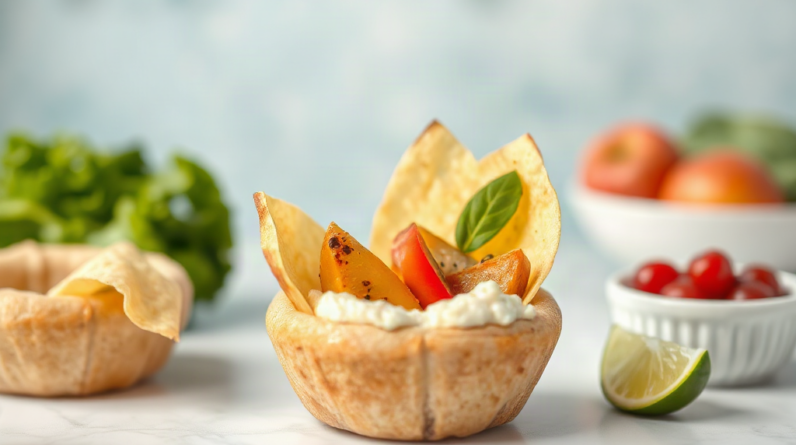
Healthy appetizers that offer filling nutrients combine protein, fiber, and produce-based volume rather than relying mainly on refined crackers, pastry, or cheese. Useful choices include lentil-stuffed peppers, hummus with crisp vegetables, eggs with avocado, yogurt-based dips, and bean-topped sweet potato rounds. Protein and fiber generally slow digestion, while water-rich vegetables add bulk without making portions excessively heavy. Include at least two of those elements in each appetizer, keep calorie-dense oils and nuts measured, and serve enough food to match whether the dish is a small starter or a meal replacement.
What Makes an Appetizer Filling?
A satisfying appetizer usually contains more than one source of staying power. Protein contributes substance, fiber adds bulk and slows the pace of digestion, and water-rich produce increases food volume. Beans, lentils, eggs, plain yogurt, fish, tofu, nuts, seeds, vegetables, and whole grains supply these qualities in different combinations.
Texture and eating pace matter as well. Crunchy vegetables, intact beans, and firm whole grains require more chewing than a thin dip or a handful of refined crackers. That does not make soft food inherently less nourishing, but a dish that can be swallowed quickly may be less satisfying unless its ingredients and serving size are considered. Thick hummus with peppers and snap peas, for example, offers a different experience from a small bowl of hummus eaten with delicate chips.
The strongest combinations pair a protein-rich base with fiber or produce. White bean spread on cucumber rounds supplies beans for protein and fiber, cucumber for volume, and olive oil for richness. A plain yogurt dip served with carrots combines protein with crisp vegetables. Neither appetizer depends on one nutrient alone, and both can be adjusted without rebuilding the entire recipe.
Fat can make an appetizer flavorful and satisfying, but it is easy to add more than intended through oil, cheese, nuts, seeds, avocado, and creamy dressings. These ingredients need not be avoided. Measure oil before mixing it into a dip, scatter nuts rather than pouring them freely, and use cheese as a distinct accent. The goal is a balanced bite rather than a dish in which calorie-dense toppings crowd out beans, vegetables, or other filling ingredients.
A common mistake is assuming that any vegetable appetizer will be filling. Raw cucumber slices or plain celery provide crunch and hydration, yet they contain little protein and limited energy. Add edamame dip, cottage cheese, hummus, or a bean salsa to turn vegetables into a more substantial starter. Conversely, cheese and cured meat may provide protein but little fiber, so fruit, vegetables, beans, or whole-grain accompaniments improve the overall balance.
Nine Nutrient-Dense Appetizer Options
The most practical nutrient-dense appetizers use familiar ingredients in combinations that hold their texture and remain easy to portion. The following choices can be served individually or grouped into a mixed platter. Exact nutrition varies with recipes and portions, so ingredient balance is more useful than attaching a universal health claim to any single dish.
- Lentil-stuffed mini peppers: Mix cooked lentils with chopped herbs, lemon, and a small amount of feta, then spoon the mixture into halved peppers. Lentils contribute protein and fiber, while peppers add crunch and vitamin-rich produce.
- Hummus with a vegetable trio: Pair hummus with carrots, cucumber, and snap peas instead of offering only pita chips. Chickpeas and tahini provide substance, and several vegetables create varied texture and volume.
- Egg and avocado cucumber bites: Top thick cucumber rounds with chopped hard-cooked egg and a thin avocado slice. Egg adds protein; avocado supplies fat and fiber. Lemon juice and pepper can provide flavor without a heavy sauce.
- Greek-style yogurt dip: Stir cucumber, dill, garlic, and lemon into plain strained yogurt. Serve it with radishes, peppers, or whole-grain pita wedges. Check the label when protein content or added sugar is a priority because yogurt products differ.
- Bean-topped sweet potato rounds: Roast thin sweet potato slices and add seasoned black beans, cabbage, and lime. This option offers fiber from both the beans and sweet potato, although overloaded toppings can make the rounds difficult to handle.
- Edamame lettuce cups: Combine shelled edamame with shredded carrot, scallion, and a modest amount of sesame dressing. Spoon the mixture into sturdy lettuce leaves shortly before serving so they remain crisp.
- Tuna and white bean endive boats: Fold tuna, white beans, parsley, and lemon together, using a little olive oil or yogurt for moisture. Endive leaves make natural portions, while the filling provides protein and fiber.
- Cottage cheese tomato toasts: Spread cottage cheese over small pieces of whole-grain toast and top with chopped tomato and herbs. This is more substantial than tomato-topped bread alone, but it should be assembled close to serving to limit sogginess.
- Apple, walnut, and ricotta slices: Add a spoonful of ricotta and a measured sprinkle of walnuts to apple wedges. The combination balances crisp fruit with protein and fat; keep the nut layer light enough that the apple remains the main component.
Choose among these options according to the rest of the menu. Before a rich dinner, crisp peppers, cucumber bites, or lettuce cups are less likely to feel overly heavy. For a gathering held between meals, lentils, beans, eggs, yogurt, or tuna offer more substance. If the appetizers are expected to function as dinner, provide several distinct protein sources and enough total food rather than assuming a decorative platter will meet everyone’s needs.
Presentation can expose whether an appetizer is genuinely practical. A bite that collapses, leaks, or requires several utensils may be ignored at a standing event. Test one assembled portion before preparing the full batch. Increase the thickness of a dip, drain wet ingredients, or switch from delicate leaves to cups or small plates when necessary.
How Do You Build a Balanced Appetizer Plate?
A balanced appetizer plate is easiest to assemble by assigning each item a job: one or two protein anchors, at least two produce choices, a fiber-rich carrier, and a restrained flavor accent. This approach prevents the common party spread of crackers, bread, cheese, and pastry with little produce or plant-based protein.
Begin with the occasion. A starter served 20 minutes before dinner should sharpen appetite without replacing the meal. A two-hour social gathering needs more staying power because guests may treat the spread as their main food. The same hummus platter can serve either purpose, but the second setting calls for more hummus, additional bean or egg dishes, whole-grain bread, and clearer portion replenishment.
| Plate Role | Practical Choices | What to Check |
|---|---|---|
| Protein anchor | Beans, lentils, eggs, yogurt, tofu, tuna | Enough filling for the guest count |
| Produce volume | Peppers, cucumber, carrots, tomatoes, fruit | Color, firmness, and easy handling |
| Fiber-rich carrier | Whole-grain toast, sweet potato, vegetables | Strength under moist toppings |
| Flavor accent | Herbs, citrus, olives, nuts, cheese | Salt, richness, and portion size |
Variety should come from ingredients and textures, not merely from offering several versions of refined starch. Crackers, crostini, and tortilla chips may look different but perform a similar role. Replacing one bowl with vegetables and another with roasted sweet potato rounds creates a more useful contrast. Likewise, two creamy dips are less varied than one creamy dip and one chunky bean salsa.
Portion size deserves context rather than a rigid rule. Small individual bites make intake and replenishment easier to judge, while a communal dip depends on the size of serving spoons and dippers. Put rich garnishes on each portion instead of leaving an unrestricted container nearby. When appetizers replace a meal, offer plates and utensils so guests can build a coherent serving rather than grazing without noticing how much—or how little—they have eaten.
Signs that the balance is working include guests choosing several types of food, protein-rich options lasting alongside the bread, and minimal sogginess or waste. A spread is failing when the vegetables remain untouched because the dip is inconvenient, the only protein disappears immediately, or fragile bites fall apart. Correct those issues by cutting vegetables to scoopable shapes, dividing popular fillings across two platters, and keeping reserve portions chilled until needed.
Good Health Solution is Easier Than Most People Think! Take a Look for Yourself!
How Should You Prep and Adapt Appetizers?
Efficient appetizer preparation separates sturdy components from ingredients that wilt, brown, or release water. Cook lentils, beans, eggs, and sweet potato rounds ahead; wash and thoroughly dry vegetables; then add wet toppings, avocado, herbs, and crisp garnishes near serving time. This sequence protects texture without forcing every task into the final hour.
Cold food should remain properly chilled, particularly dishes containing eggs, fish, dairy, or other perishable ingredients. Set out smaller batches and replenish them rather than leaving one large bowl on the table for an extended gathering. Use clean serving utensils and avoid returning food from a used platter to the storage container. When hosting outdoors or in a warm room, shorten display time and keep backup portions refrigerated or in an adequately chilled cooler.
Dietary adjustments work best when they preserve the nutritional role of the replaced ingredient. Removing cheese from lentil peppers still leaves lentils as a protein and fiber source. Replacing yogurt with an unsweetened soy-based alternative may be more functional than using a thin, low-protein substitute, although labels vary. For gluten-free service, vegetables, sweet potato rounds, or clearly labeled gluten-free crackers can replace regular bread; cross-contact remains relevant for guests with celiac disease or medically diagnosed allergies.
Do not assume that plant-based, gluten-free, or low-carbohydrate automatically means nutrient-dense or suitable for every guest. A vegan pastry may still be mostly refined flour and fat, while a gluten-free cracker can be low in fiber. Evaluate what the replacement contributes, not only what it excludes. For allergies, retain packaging, use separate utensils, and give guests accurate ingredient information rather than promising a dish is safe when the kitchen setup cannot prevent cross-contact.
A compact prep order keeps the menu manageable:
- Choose two fillings that can be prepared in advance.
- Select sturdy produce and one whole-grain or starchy carrier.
- Prepare sauces and toppings separately.
- Test one assembled bite for structure and seasoning.
- Chill perishable components and assemble in small batches.
Flavor often weakens when cooks remove salt, cheese, or rich dressings without replacing their function. Acidity from lemon or vinegar, fresh herbs, toasted spices, garlic, and contrasting textures can restore interest. Taste the complete bite rather than the filling alone: a well-seasoned bean mixture may become bland once spread over cucumber or bread. Adjust gradually, especially when salty olives, canned fish, cheese, or packaged sauces are already present.
Frequently Asked Questions
Which appetizer ingredients are most filling?
Beans, lentils, eggs, strained yogurt, tofu, fish, nuts, seeds, whole grains, and high-fiber produce tend to add staying power. Combining protein with fiber or vegetables is generally more satisfying than relying on either element alone.
Can healthy appetizers replace dinner?
They can when the spread includes enough total food, multiple protein sources, vegetables, and fiber-rich carbohydrates. A few decorative bites are unlikely to function as a complete meal, even if their ingredients are nutritious.
What can I serve instead of crackers?
Try cucumber rounds, mini peppers, endive leaves, roasted sweet potato slices, apple wedges, or sturdy lettuce cups. Match the carrier to the filling so it will not bend, leak, or become soggy.
How can I keep appetizers from becoming too calorie-dense?
Measure oils, nuts, cheese, avocado, and creamy dressings, then use vegetables or fruit as the largest visual component. Calorie-dense ingredients can remain part of the dish without dominating every bite.
How far ahead can appetizers be prepared?
Cooked fillings and sturdy vegetables can often be prepared in advance, but exact storage time depends on the ingredients. Assemble wet toppings, avocado, toast, and delicate leaves near serving, and keep perishable components refrigerated.
Conclusion
Build the appetizer menu around ingredient roles rather than health labels. Beans, lentils, eggs, yogurt, tofu, or fish can provide a protein anchor; vegetables and fruit add volume and texture; whole grains and starchy vegetables contribute additional substance. Rich accents such as nuts, cheese, avocado, and oil work best when measured and used for flavor.
Choose two or three combinations suited to the event, test whether each bite holds together, and prepare vulnerable components separately. Keep perishable dishes chilled and accommodate dietary restrictions by replacing the nutritional function of an ingredient, not merely removing it. For the next gathering, start with one dependable dip, one individually portioned protein-rich bite, and two sturdy produce choices, then scale the quantities according to whether appetizers precede dinner or serve as the meal.
 Good Health Solution is Easier Than Most People Think! Take a Look for Yourself!