Healthy potluck dishes that stay safe at room temperature are primarily shelf-stable foods such as whole fruit, dry roasted nuts, sturdy baked goods, unopened packaged snacks, and salads built without meat, eggs, dairy, cooked grains, or cut produce requiring refrigeration. Acidic dressings add flavor but do not automatically make a perishable dish safe. Keep cold foods at 40°F or below and hot foods at 140°F or above; otherwise, limit their time on the table to two hours, or one hour when the temperature exceeds 90°F. Label allergens, use clean serving utensils, and replace small portions rather than continually refilling the same bowl.
What Can Safely Sit on a Potluck Table?
A dish suitable for an unrefrigerated buffet should be shelf-stable by design, not merely sturdy-looking or plant-based. Whole, uncut produce; breads without perishable fillings; dry crackers; roasted nuts; seeds; and commercially packaged snacks are generally more dependable choices than moist mixtures containing cooked ingredients. Their lower moisture, intact protective surfaces, or stable packaging make them less supportive of rapid bacterial growth under ordinary serving conditions.
The word “healthy” does not establish food safety. A quinoa salad, hummus platter, yogurt dip, vegetable sushi tray, or bowl of cut melon may offer valuable nutrients, yet each still needs time and temperature control. Cooked grains and beans retain moisture, while cut fruit and vegetables lose the protection provided by their skins. Homemade dips may combine cooked legumes, fresh herbs, garlic, or dairy in a moist environment. Lemon juice or vinegar can sharpen the flavor, but a home recipe should not be assumed to have a reliably protective acidity throughout.
Use the ingredients and preparation method to classify a dish. A bowl of whole apples and clementines is different from a mixed fruit salad. Sealed nut packets are different from nuts stirred into a creamy dressing. A plain loaf is different from sandwiches filled with sliced turkey or soft cheese. When the dish contains meat, poultry, seafood, eggs, dairy, tofu, cooked rice, cooked pasta, cooked beans, sprouts, or cut melon, plan to keep it cold or hot rather than treating it as an all-day table item.
A practical first check is to ask how the food is sold and stored before opening. Products displayed unrefrigerated in intact packaging are often easier potluck choices, although their labels still control. Foods purchased from a refrigerated case generally remain perishable after being transferred to a serving bowl. The common mistake is equating homemade, vegetarian, acidic, or minimally processed with shelf-stable. None of those descriptions replaces refrigeration instructions or safe holding temperatures.
For a gathering with uncertain kitchen access, prioritize foods that remain acceptable without improvised safety measures. Whole fruit, dry trail mix, seeded crackers, a simple unsliced quick bread, and individually wrapped shelf-stable items place less pressure on the host. If a favorite recipe requires chilling, bring it with a proper cold source rather than altering a few ingredients and assuming the risk has disappeared.
Room-Temperature Potluck Dishes That Travel Well
The strongest room-temperature contribution is one that remains nutritious, appealing, and structurally sound without refrigeration. Whole produce provides fiber and naturally portioned servings, while nuts and seeds contribute protein, unsaturated fats, and satisfying texture. Whole-grain breads and dry baked items can add substance without relying on creamy fillings or delicate toppings.
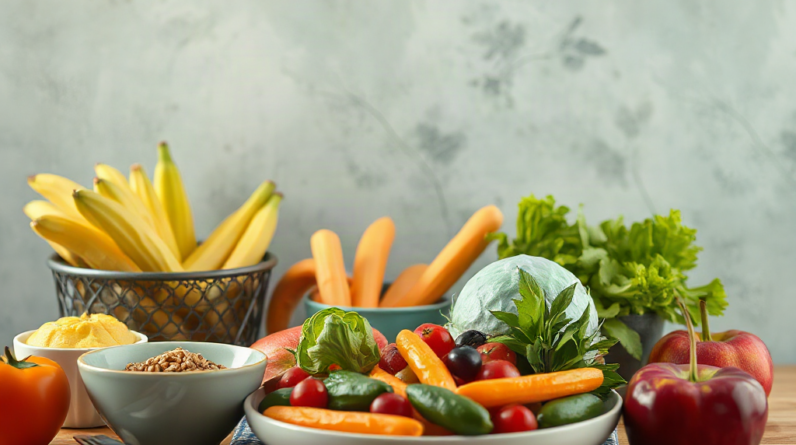
A whole-fruit board is a safer alternative to a pre-cut fruit tray when refrigeration is unavailable. Arrange washed apples, pears, bananas, mandarins, grapes left in small intact clusters, and other fruit that guests can peel or take whole. Wash produce at home and dry it before packing. Do not leave a communal knife beside the display unless clean cutting equipment and prompt service are available; once fruit is cut, its storage needs change.
For a savory choice, combine unsalted or lightly salted roasted nuts, pumpkin seeds, whole-grain cereal squares, and dried fruit. Keep the mixture dry, avoid fresh cheese or chocolate that will melt, and provide a scoop rather than inviting hands into the bowl. This option is energy-dense, so small cups help with portions. It also requires prominent allergen labeling because nuts, sesame, wheat, and other common allergens may be present.
Other workable choices include air-popped popcorn seasoned with dried herbs, whole-grain crackers, breadsticks, plain rolls, sturdy oat bars, and muffins without cream cheese frosting, custard, or fresh dairy filling. Commercially packaged olives or pickled vegetables may be shelf-stable before opening, but the product label determines what happens afterward. If it says to refrigerate after opening, serving it for hours from an open bowl is not a safe workaround.
| Potluck option | Why it works | Important limit |
|---|---|---|
| Whole-fruit basket | Intact skins reduce handling and moisture exposure | Wash and dry fruit; refrigerate leftovers after cutting |
| Dry nut and seed mix | No perishable dressing or fresh ingredients | Label allergens and use a dedicated scoop |
| Herbed popcorn | Dry, inexpensive, and easy to portion | Keep covered to protect it from hands and moisture |
| Plain whole-grain rolls | Travel well without chilled fillings | Avoid custard, meat, soft cheese, or creamy spreads |
| Packaged shelf-stable snacks | Labels and sealed portions simplify service | Follow package storage directions after opening |
A dry dish can still fail through careless handling. Damp serving tools, repeated hand contact, outdoor humidity, and cross-contact from neighboring dishes can undermine an otherwise sensible choice. Pack components in clean containers, bring a utensil, and offer modest quantities at a time. A smaller bowl replenished from a protected supply usually stays fresher and cleaner than one oversized container exposed throughout the event.
When Does a Healthy Dish Need Temperature Control?
Perishable food needs active temperature control even when every ingredient appears wholesome. U.S. food-safety guidance commonly uses 40°F or below for cold holding and 140°F or above for hot holding. Food left between those temperatures should generally return to safe storage within two hours, reduced to one hour when outdoor conditions exceed 90°F. Time already spent in transit, during setup, and on a kitchen counter counts toward that limit.
Cold dishes are manageable when the host can provide refrigerator space or the guest supplies a well-insulated cooler with enough ice or frozen gel packs. Place the serving bowl over a deeper pan of ice and check that the food itself remains cold; a few cubes beside a warm bowl provide little control. Keep backup portions in the cooler and swap them in as needed. Do not pour a new batch onto old food because the older layer retains its original exposure time.
Hot dishes require equipment designed to hold food hot, not merely warm it slowly. A slow cooker may be useful if the food was cooked safely before arrival and the appliance maintains adequate heat, but it should not be used as an excuse to transport a lukewarm dish for an extended period. Carry hot food in an insulated container, plug in promptly, and use a food thermometer rather than judging by steam or touch.
The following ingredients should trigger a temperature-control plan rather than a room-temperature assumption:
- Cooked meat, poultry, seafood, eggs, tofu, beans, rice, pasta, or other moist grains
- Milk, yogurt, soft cheese, cream-based sauces, and dairy-rich desserts
- Cut melon, cut tomatoes, sprouts, and prepared salads containing moist cut produce
- Homemade hummus, guacamole, bean dips, salsa, and other wet mixtures
Mayonnaise is often blamed for picnic problems, but removing it does not automatically make a salad shelf-stable. The cooked chicken, eggs, potatoes, pasta, or tuna in the bowl may still require refrigeration. Conversely, commercially prepared mayonnaise is formulated differently from a homemade raw-egg emulsion, yet the completed dish must still be handled according to its most perishable ingredients.
Discard a controlled dish when its exposure time is unknown, its ice has melted and the food is no longer cold, the warmer has been unplugged, or guests have contaminated it with used utensils. Smell and appearance cannot reliably establish safety. If holding conditions cannot be verified, replacing the dish is more prudent than tasting it to decide.
Good Health Solution is Easier Than Most People Think! Take a Look for Yourself!
How Should Potluck Food Be Packed and Served?
Safe service begins before the food reaches the buffet. Confirm whether refrigeration, electrical outlets, ice, shade, serving utensils, and handwashing facilities will be available. An indoor lunch with immediate refrigerator access can accommodate a chilled lentil salad; a park gathering in hot weather calls for whole fruit, sealed dry snacks, or a cooler that remains closed between uses.
Pack food in clean, leak-resistant containers and separate ready-to-eat dishes from raw ingredients or anything that could drip during transport. Use a cooler for food rather than treating a tote bag as insulation. Keep beverages in a separate cooler if possible, since frequent opening releases cold air. Put a thermometer inside when maintaining a cold temperature matters, and place the cooler in shade rather than in a hot vehicle or direct sun.
At the table, reduce exposure by serving food in shallow, modest portions. Keep protected reserves chilled or sealed until needed. Assign one utensil to each dish and replace a utensil that falls, is used for tasting, or moves between foods. Individual cups, paper sleeves, or wrapped portions can reduce handling, although they create more packaging waste. A communal bowl uses less material but requires closer attention to utensils and guest behavior.
Use this compact setup check before leaving home:
- Classify the dish: shelf-stable, cold-held, or hot-held.
- Plan transport: choose sealed containers, an insulated cooler, or an insulated hot-food carrier.
- Bring controls: pack ice, gel packs, a thermometer, serving utensils, and spare containers as needed.
- Mark the time: note when a perishable dish leaves controlled storage.
- Label clearly: identify common allergens and ingredients guests may need to avoid.
- Plan leftovers: return food to safe storage in time or discard it when conditions are uncertain.
Allergen management deserves the same forethought as temperature. A card stating “contains peanuts, milk, egg, wheat, soy, sesame, fish, shellfish, or tree nuts” is more useful than a vague recipe name. Keep dedicated utensils with each dish and avoid placing a nut-heavy snack where pieces can spill into neighboring food. Home kitchens and shared buffets cannot promise an allergen-free meal, so avoid making guarantees about cross-contact.
The approach is working when cold food remains measurably cold, hot food remains hot, utensils stay with their assigned dishes, and backup portions remain protected. Melted ice, warm bowls, missing utensils, uncertain setup times, or new food added over old are signs the service plan has failed. At that point, remove the affected dish rather than trying to reset its safety clock.
Conclusion
Choose potluck food according to how it must be stored, not according to whether it looks fresh, natural, or nutritious. Whole fruit, dry nuts and seeds, plain breads, popcorn, and appropriately labeled packaged snacks are practical when refrigeration is uncertain. Moist dishes containing cooked grains, beans, meat, eggs, dairy, tofu, dips, or cut produce need reliable cold or hot holding.
Before preparing a recipe, confirm the venue’s refrigerator space, power, shade, and serving schedule. Bring insulated transport, enough ice, a thermometer, clean utensils, and ingredient labels when the menu requires them. Serve smaller quantities while keeping reserves protected, track total time outside temperature control, and remove food when its history becomes uncertain. That combination protects guests without reducing the table to highly processed choices.
Frequently Asked Questions
Can a vinegar-based salad stay out all day?
No. Vinegar adds acidity and flavor, but a homemade dressing does not automatically make cooked grains, beans, pasta, potatoes, or cut vegetables shelf-stable. Keep the salad cold and observe the normal time limit for perishable food.
How long can perishable potluck food remain unrefrigerated?
Use two hours as the general maximum, or one hour when the surrounding temperature is above 90°F. Include travel and setup time, and discard food when its timeline or holding temperature cannot be confirmed.
Is hummus safe at room temperature?
Prepared hummus is typically a refrigerated, moist food. Serve it over ice in a small bowl, keep extra portions chilled, and follow the package storage directions for a commercially made product.
What is the easiest healthy potluck dish for an outdoor event?
A basket of washed, dried whole fruit is simple, portable, and naturally portioned. A dry nut-and-seed mix also travels well, but it needs clear allergen labeling and a serving scoop.
Can perishable leftovers go back into the refrigerator?
They can be refrigerated promptly if they remained within the recommended time and temperature limits. Discard leftovers that sat out too long, became warm, were contaminated, or have an unknown service history.
Further Reading
Authoritative Sources
- Four Steps to Food Safety
foodsafety.govExplains cleaning, separation, cooking, and chilling practices relevant to preparing and transporting potluck food
- Safe Food Handling
fda.govProvides federal consumer guidance on refrigeration, cross-contamination, preparation, and serving temperatures
- Preventing Food Poisoning
cdc.govSummarizes practical steps for reducing foodborne illness risks at home and at shared meals
 Good Health Solution is Easier Than Most People Think! Take a Look for Yourself!