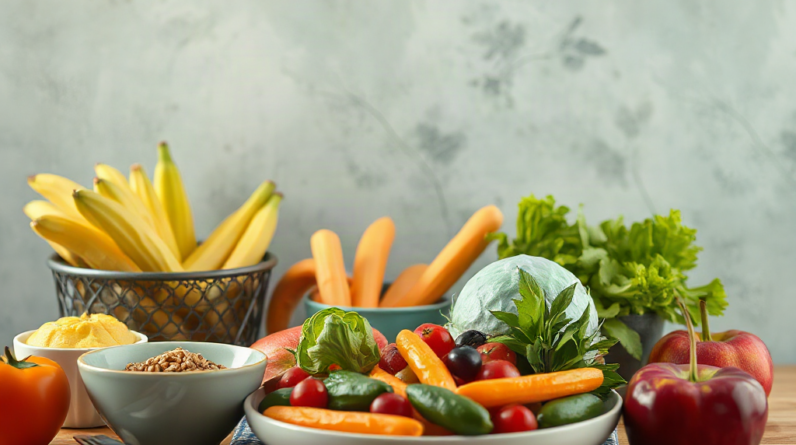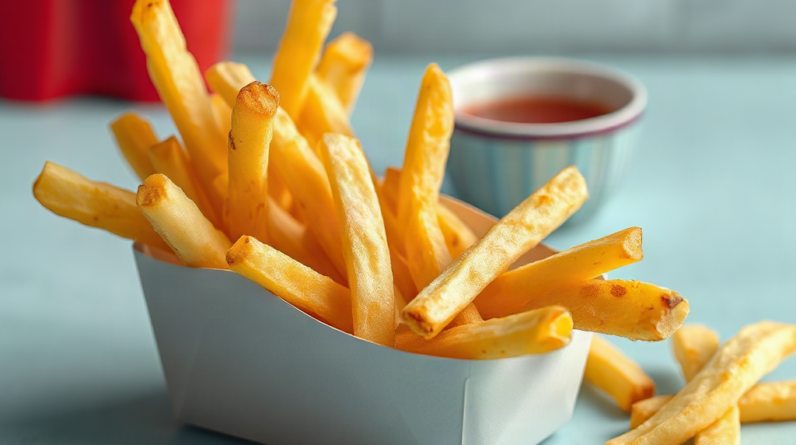
Alternatives to junk food for cravings work best when they match the flavor, texture, and eating experience you actually want rather than merely offering fewer calories. Choose air-popped popcorn or roasted chickpeas for crunch, fruit with yogurt for sweetness, and hummus with whole-grain pita when a craving reflects genuine hunger. Pairing fiber-rich carbohydrates with protein or fat generally produces a more filling snack than eating fruit or crackers alone. Portion the replacement before eating, and keep an occasional serving of the original food available when no substitute feels satisfying; rigid restriction can make some cravings feel more persistent.
What Is Your Craving Actually Asking For?
A useful replacement begins with identifying the experience behind the craving. Someone wanting potato chips may be looking for salt and crunch, while someone thinking about cookies may want sweetness, quick energy, comfort, or simply a familiar break in the day. Treating all cravings as hunger leads to poor matches: a plain apple is nutritious, but it rarely resolves a strong desire for something salty and crisp.
Physical hunger usually develops gradually and leaves several foods sounding acceptable. A specific craving can appear suddenly and remain focused on one taste or texture. The distinction is not perfect, however. A long gap between meals can create genuine hunger that presents as a desire for the fastest, most energy-dense option available. If lunch was small and dinner is hours away, trying to satisfy that appetite with cucumber slices alone is likely to fail.
Timing and context provide practical clues. A craving that appears during an afternoon energy dip may call for a substantial snack, such as Greek yogurt with berries and walnuts. A craving that consistently occurs while watching television may be tied more closely to routine, easy access, and the desire to keep the hands occupied. In that setting, a measured bowl of popcorn or sliced vegetables with a dip may preserve the snacking ritual without requiring an open-ended package.
Before choosing a substitute, check three points:
- Hunger: Would a small meal or balanced snack sound good, or is only one food appealing?
- Sensory target: Are you seeking sweet, salty, creamy, cold, chewy, or crunchy?
- Situation: Did the urge follow a missed meal, stress, boredom, food advertising, or a familiar daily cue?
A common mistake is interpreting every craving as a nutrient deficiency. Cravings can have many influences, and a desire for chocolate or chips does not by itself diagnose a medical or nutritional problem. Persistent appetite changes, cravings accompanied by other symptoms, or urges to eat nonfood substances warrant discussion with a qualified healthcare professional rather than self-diagnosis through food swaps.
The practical priority is to respond proportionately. If you are hungry, choose enough food to be satisfied. If the draw is sensory, match the dominant quality. If the pattern is situational, change the environment as well as the snack. That distinction prevents the cycle of eating several unsatisfying alternatives and then consuming the original food anyway.
Match the Flavor and Texture, Not Just the Food
Successful alternatives reproduce the most noticeable qualities of the desired food while adding useful nutrients or making portions easier to manage. The goal is not to pretend that roasted chickpeas taste identical to cheese puffs. It is to offer a credible option when crunch, salt, sweetness, or creaminess matters more than one exact product.
For a salty crunch, consider air-popped popcorn seasoned with herbs, lightly salted nuts, roasted chickpeas, whole-grain crackers with salsa, or crisp vegetables with hummus. Popcorn offers greater volume than many fried snacks, but heavy additions of butter, oil, sugar, or salt can change the nutritional tradeoff. Nuts supply protein, fat, and minerals, yet their compact size makes distracted overeating easy. A small bowl is more useful than eating directly from a large container.
Sweet cravings often respond better to options containing both sweetness and substance. Berries with plain or lightly sweetened yogurt, an apple with peanut butter, frozen grapes, banana slices with tahini, or dates filled with a small amount of nut butter provide distinct textures rather than functioning as generic “healthy desserts.” Dried fruit is portable and flavorful, but it is less bulky than fresh fruit and can be easy to consume quickly. Pairing it with nuts or yogurt may make the snack more satisfying.
When creaminess is the main draw, yogurt with fruit, blended frozen banana, cottage cheese with peaches, chia pudding, or hummus may fit. Check labels if added sugar or sodium is a concern, because products within the same category can differ substantially. A flavored yogurt, for example, may still be a reasonable convenience choice, but plain yogurt lets you control sweetness with fresh fruit or a small amount of honey.
| Craving | Practical Alternative | What It Matches | Tradeoff to Notice |
|---|---|---|---|
| Potato chips | Popcorn or roasted chickpeas | Salt and crunch | Seasonings and portions still matter |
| Candy | Fresh fruit with nuts | Sweetness and chew | Not identical to concentrated candy flavor |
| Ice cream | Yogurt with frozen fruit | Cold, sweet, and creamy | Choose a version you genuinely enjoy |
| Cookies | Oatmeal with banana and cinnamon | Warm sweetness | Better suited to hunger than casual nibbling |
The weak assumption is that the option with the fewest calories is automatically best. A snack that leaves you dissatisfied may lead to repeated grazing. A somewhat more substantial combination—such as crackers with cheese rather than plain rice cakes—can be the more practical choice when hunger is part of the craving.
How Do You Build a More Filling Snack?
A filling snack usually combines more than one nutritional role. Fiber-rich carbohydrates contribute volume and slower digestion, while protein and fat tend to add staying power and flavor. No combination guarantees a particular appetite response, but a mixed snack is often more useful than a single refined carbohydrate when the next meal is not soon.
Use a simple pairing method: choose a fruit, vegetable, or whole-grain food, then add a protein- or fat-containing partner. Examples include pear with cheese, carrots with hummus, whole-grain toast with peanut butter, or plain yogurt with oats and berries. These combinations are especially practical after a light meal, before a long commute, or during an afternoon when dinner will be delayed.
Portion size should reflect the situation rather than a universal snack rule. A person who ate lunch an hour ago may only want a clementine and a few nuts. Someone who has several hours until dinner may need yogurt, fruit, and granola or half a sandwich. Making every snack tiny can turn a straightforward hunger signal into prolonged grazing. Conversely, routinely eating meal-sized snacks without considering hunger may reduce appetite for regular meals.
Whole foods and minimally processed options are useful defaults, but “processed” is too broad to function as a complete decision rule. Frozen fruit, canned beans, whole-grain bread, hummus, and yogurt all involve processing and can still contribute valuable nutrients. Compare the actual product, serving, ingredients, and purpose. A packaged snack may also be preferable to skipping food and arriving at the next meal extremely hungry.
Preparation affects whether an alternative feels satisfying. Warm oatmeal may answer a comfort-food craving better than a cold piece of fruit. Toasting chickpeas or pita creates a crisp texture; freezing grapes changes both their temperature and eating pace. Seasonings such as cinnamon, smoked paprika, garlic, cocoa, or chili can make simple foods more appealing without requiring them to imitate a commercial snack exactly.
Signs the approach is working include feeling comfortably satisfied, moving on from thoughts about food, and reaching the next meal without urgent hunger. It may be failing if you repeatedly return to the kitchen, eat several substitutes in succession, or feel preoccupied with the restricted item. In that case, increase the snack’s substance, improve the sensory match, or choose a deliberate portion of the food originally wanted.
How Can Better Options Become the Convenient Choice?
Convenience frequently decides what gets eaten before nutrition knowledge has any influence. A whole pineapple is not a realistic alternative to an open bag of chips when someone has five minutes between meetings. Better choices need to be visible, ready, portable, and easy enough for the moment in which cravings usually occur.
Good Health Solution is Easier Than Most People Think! Take a Look for Yourself!
Prepare for the recurring situation rather than an ideal day. At home, keep washed fruit at eye level, divide popcorn or trail mix into bowls or small containers, and place hummus near ready-to-eat vegetables. At work, shelf-stable options might include nuts, plain oatmeal packets, roasted beans, whole-grain crackers, or unsweetened fruit cups. For commuting, choose foods that tolerate transport and do not require utensils, such as a banana and a small nut packet.
A compact setup works better than buying many aspirational foods that spoil. Pick two or three options for each common need:
- Stock one crunchy choice: popcorn, seeded crackers, or roasted chickpeas.
- Keep one sweet choice: fresh fruit, frozen fruit, or yogurt.
- Add a satisfying partner: nuts, cheese, hummus, eggs, or nut butter.
- Pre-portion when distraction is likely: move the serving to a plate or bowl and put the package away.
Food access and budget can narrow the options. Store-brand oats, bananas, peanut butter, popcorn kernels, canned beans, and seasonal fruit are often more economical than specialty snack products marketed as wellness foods. Frozen produce reduces spoilage and can be portioned as needed. If refrigeration is unavailable, shelf-stable combinations are more realistic than advice centered on yogurt or cut vegetables.
Environment changes should reduce friction, not create rigid rules. Keeping highly tempting foods out of immediate sight may interrupt automatic eating, but banning them from the home is not necessary or suitable for everyone. Shared households, children, dietary needs, and cultural food preferences all affect what is practical. The aim is to make the intended choice at least as easy as the default choice.
Review the system after a week. Spoiled produce signals that preparation or quantity needs adjustment. Repeated vending-machine purchases may mean the packed snack is too small, inconvenient, or unappealing. A workable setup is measured by what gets eaten under pressure, not by how virtuous the grocery cart looks.
When Does a Substitute Not Work?
A substitute is unlikely to satisfy when the craving is highly specific and the replacement shares none of its defining qualities. Eating plain celery while wanting chocolate may postpone the decision without resolving it. After several attempts, the total amount eaten can exceed what a deliberate serving of chocolate would have been, while also leaving the person frustrated.
In that situation, consider having the desired food intentionally. Put a reasonable portion on a plate, sit down, and eat it without simultaneously scrolling, driving, or working. Pairing it with something more filling can also make sense: a cookie with milk, chips alongside a sandwich, or a small serving of ice cream after a balanced meal. This is not a nutritional loophole; it is a way to avoid treating one food as forbidden and then eating it reactively.
Frequent cravings may also indicate that the broader eating pattern needs attention. Long gaps between meals, very restrictive dieting, inadequate portions, poor sleep, stress, and habitual cues can all influence appetite or food-seeking behavior. A snack swap cannot compensate for consistently insufficient meals. Adding protein, fiber-rich carbohydrates, and fats to meals may be more effective than searching for an ever-larger list of replacements.
Dietary restrictions require individual judgment. Someone with diabetes, food allergies, digestive conditions, kidney disease, pregnancy-related nutrition concerns, or a history of disordered eating may need advice tailored by a qualified clinician or registered dietitian. Foods commonly presented as wholesome alternatives—such as nuts, dairy, high-fiber snacks, or dried fruit—are not appropriate for every person or every medical context.
Watch for signs that the strategy is becoming counterproductive: anxiety around ordinary foods, escalating rules, hiding food, repeated loss-of-control eating, or persistent guilt after eating. Those patterns deserve compassionate professional support rather than tighter substitution rules. Cravings are not a moral failure, and food choices should not be used to diagnose an eating disorder without proper assessment.
The practical boundary is simple: use alternatives when they satisfy and fit your needs, not as a compulsory test of discipline. Sometimes a comparable snack is enough; sometimes a balanced meal is needed; and sometimes the original food, eaten attentively and in context, is the most straightforward response.
Frequently Asked Questions
What can I eat when I crave chips?
Try popcorn, roasted chickpeas, seeded crackers, or crisp vegetables with hummus. Choose based on whether you mainly want salt, crunch, or a filling snack, and portion it into a bowl before eating.
What is a satisfying alternative when I want something sweet?
Fruit paired with yogurt, nuts, cheese, or nut butter offers sweetness plus protein or fat. If the craving is specifically for dessert, a deliberate portion of that dessert may satisfy better than several unrelated substitutes.
Are low-calorie snacks always the best replacements?
No. A very light snack may be inadequate when genuine hunger is driving the craving. Consider satisfaction, nutrients, portion, and time until the next meal rather than calories alone.
Why do I still want junk food after eating fruit?
Fruit may not match the desired salt, fat, temperature, or crunch, and it may not be substantial enough if you are hungry. Add yogurt or nuts, choose a closer sensory match, or have a measured amount of the original food.
How can I reduce evening snacking cravings?
Check whether dinner was filling, then identify cues such as television, stress, or an accessible package. Plan one satisfying option, portion it before sitting down, and seek professional guidance if eating feels distressing or out of control.
Conclusion
The most useful swap is one that fits the actual craving, provides enough food for the level of hunger, and remains practical in the setting where the urge occurs. Start by separating sensory wants from physical hunger. Then match crunch, sweetness, saltiness, temperature, or creaminess while using protein, fiber-rich foods, or fats when greater staying power is needed.
Keep a small set of appealing choices ready rather than relying on willpower or buying specialty products that go unused. If repeated substitutions leave you grazing, increase the snack’s substance or eat a planned portion of the food you wanted. Review recurring patterns as well: missed meals, restrictive rules, stress, and routine cues may matter more than the individual snack. Persistent, distressing, or medically complicated cravings are better addressed with qualified professional support than increasingly strict food rules.
 Good Health Solution is Easier Than Most People Think! Take a Look for Yourself!