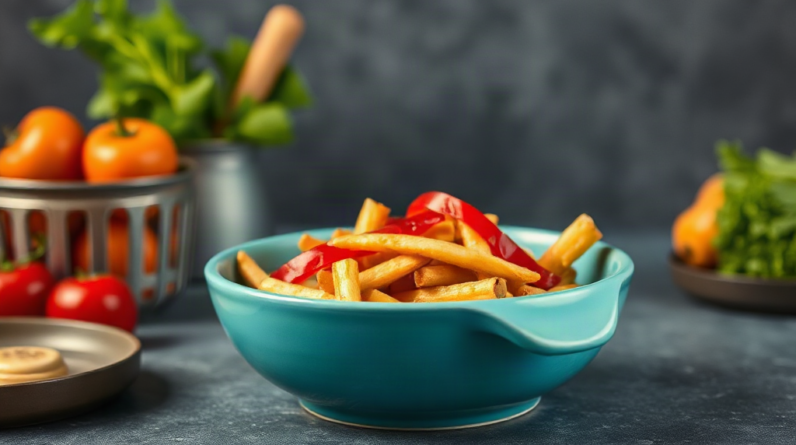
Diet changes supporting nutrition with high blood pressure should emphasize vegetables, fruit, beans, whole grains, unsalted nuts, fish, and minimally processed proteins while reducing sodium-rich packaged foods. Potassium, magnesium, fiber, and unsaturated fats contribute to a dietary pattern associated with better blood pressure control, although individual needs vary. Compare labels because breads, sauces, deli meats, canned meals, and restaurant dishes can supply substantial sodium without tasting especially salty. Make changes gradually, monitor blood pressure as directed, and consult a clinician before increasing potassium if you have kidney disease or take medicines that affect potassium.
Which Foods Deserve Priority?
A useful eating pattern gives plant foods and minimally processed staples more space without treating any single ingredient as a remedy. Vegetables, fruit, beans, lentils, whole grains, unsalted nuts, seeds, fish, and plain dairy or fortified alternatives can supply fiber, potassium, magnesium, calcium, protein, and unsaturated fats. These nutrients work within the whole diet rather than acting as isolated fixes for a blood pressure reading.
Potassium helps balance sodium and is involved in normal fluid regulation, but more is not automatically better for everyone. Potatoes, beans, lentils, leafy greens, squash, tomatoes, yogurt, bananas, oranges, and avocados are practical food sources. Magnesium is present in legumes, whole grains, nuts, seeds, and greens, while calcium can come from milk, yogurt, calcium-set tofu, canned fish with edible bones, or appropriately fortified alternatives. Choosing foods that provide several nutrients at once is generally more useful than buying a supplement for one nutrient.
Consider two lunches. A deli sandwich with processed meat, cheese, pickles, and bottled dressing may combine several concentrated sodium sources. A bowl made with no-salt-added beans, brown rice, roasted vegetables, avocado, and a lime-herb dressing provides fiber and a broader nutrient mix while allowing sodium to be controlled. The second meal is not automatically low in sodium if salted sauces or seasoned packaged components are added, so ingredients still matter.
Fresh produce is not the only suitable choice. Frozen vegetables without sauce, frozen fruit without added sugar, and canned beans or vegetables labeled no-salt-added can be affordable and convenient. Draining and rinsing standard canned beans may remove some surface sodium, but it does not make every canned product equivalent to a no-salt-added version. Compare labels when both are available.
A common mistake is concentrating on a few foods advertised as heart healthy while the rest of the day remains dominated by refined snacks, processed meats, or restaurant meals. Prioritize the recurring pattern: produce at most meals, legumes several times across the week if tolerated, whole grains in place of many refined options, and protein choices that are not routinely cured or heavily salted. The pattern matters more than whether one meal includes a particular fruit or vegetable.
How Can You Lower Sodium Without Undereating?
Sodium reduction works best when high-sodium foods are replaced with satisfying alternatives rather than simply removed. Sodium draws water into circulation and can contribute to higher blood pressure in people who are sensitive to it. Packaged and restaurant foods often matter more than the salt shaker because sodium can appear in bread, soup, pizza, sauces, seasoning blends, processed meat, cheese, and ready-made meals.
Nutrition labels make comparisons more reliable than taste. Check the serving size first, then review sodium per serving and the number of servings actually eaten. A soup may appear moderate until the full container is counted. Compare similar products—two breads, two pasta sauces, or two canned soups—because sodium can differ considerably within the same category. Claims on the front of a package should not replace reading the panel.
Use a short replacement sequence when changing a regular meal:
- Identify the largest sodium source. It may be the sauce, processed protein, seasoning packet, or restaurant portion rather than the main staple.
- Replace one component at a time. Try plain chicken instead of deli meat, no-salt-added tomatoes instead of seasoned sauce, or herbs and citrus instead of a full flavoring packet.
- Preserve energy and protein. Add beans, fish, eggs, yogurt, tofu, whole grains, or another suitable staple so the meal remains adequate.
- Recheck labels and portions. A reduced-sodium product can still contribute a substantial amount when several servings are eaten.
Flavor does not need to disappear with salt. Garlic, onion, ginger, black pepper, smoked paprika, cumin, vinegar, lemon, lime, fresh herbs, toasted spices, and salt-free blends can add contrast. Salt substitutes containing potassium chloride require more caution. They may be inappropriate for people with kidney disease or those taking medicines that raise potassium, so they should not be adopted automatically.
Cutting sodium too aggressively can backfire if meals become bland, too small, or impractical. Someone who relies on canned and frozen foods may do better by selecting lower-sodium versions than by aiming for an all-fresh menu that exceeds the budget or spoils before use. Signs that the approach needs revision include persistent hunger, skipped meals, unintended weight loss, or repeated returns to takeout because home meals are unsatisfying. Sustainable substitutions are more valuable than a restrictive plan followed briefly.
Building Balanced Meals for Blood Pressure and Nutrition
Balanced meals protect nutritional adequacy while sodium is being reduced. A practical plate often includes a substantial portion of vegetables or fruit, a fiber-rich carbohydrate, and a protein source, with an unsaturated fat where appropriate. This structure is flexible enough for different cuisines and budgets and avoids reducing blood pressure nutrition to a list of forbidden foods.
For breakfast, plain oatmeal topped with berries, walnuts, and yogurt offers a different nutritional profile from a pastry and processed breakfast meat. Lunch could be lentil soup prepared with no-salt-added stock, whole-grain toast, and fruit. Dinner might combine baked fish or tofu, a potato, and roasted broccoli seasoned with olive oil, lemon, and pepper. These examples can still contain sodium, but the amount is easier to manage than in meals assembled mostly from cured meats, commercial sauces, and seasoning packets.
Protein choice deserves attention because “lean” and “low sodium” are not interchangeable. Turkey deli meat may be low in fat yet heavily salted. Plain poultry, fish, eggs, beans, lentils, tofu, and unsalted nuts allow more control, although canned, marinated, smoked, or breaded versions may add sodium. Similarly, plant-based burgers and imitation meats vary widely; being plant based does not guarantee a favorable sodium profile.
Carbohydrates should not be removed automatically. Oats, barley, brown rice, quinoa, whole-grain pasta, potatoes, corn, and whole-grain bread can contribute energy, fiber, and minerals. The relevant distinction is often between minimally processed staples and products that combine refined starch with sodium, saturated fat, or large portions. People who cut both sodium and carbohydrates at once may find meals difficult to sustain or may compensate with processed meats and cheese, undermining the original goal.
Fat quality also matters. Olive or canola oil, nuts, seeds, avocado, and fish provide unsaturated fats, while frequent fried foods, fatty processed meats, and large amounts of butter or cream can crowd out more nutrient-dense choices. That does not require a fat-free diet. A small amount of oil can make vegetables more appealing, and nuts can improve the staying power of a snack—provided salted varieties are not the default.
Judge progress by the pattern over several weeks rather than a single meal or blood pressure measurement. Useful signs include cooking more often, finding lower-sodium staples that taste acceptable, eating a wider range of produce, and maintaining adequate energy. Home blood pressure records may help a clinician assess trends, but food changes should complement prescribed care rather than replace medication or medical follow-up.
Good Health Solution is Easier Than Most People Think! Take a Look for Yourself!
When Does a Blood Pressure Diet Need Personalization?
Kidney function, medications, diabetes, digestive tolerance, food access, and nutritional status can change which diet adjustments are appropriate. General advice to eat more potassium-rich food, for example, may be unsuitable when the kidneys cannot clear potassium effectively or when a medicine alters potassium balance. A clinician or registered dietitian can help interpret laboratory results and medication-related restrictions.
People taking diuretics, renin-angiotensin system medicines, or other blood pressure drugs should not assume every supplement or salt substitute is safe. Medication effects differ, and both high and low electrolyte levels can be consequential. Food-based changes are often easier to control than concentrated supplements, but even food choices may need limits in advanced kidney disease. Do not stop or adjust prescribed medication because dietary habits improve or a home reading changes.
Diabetes introduces another practical constraint. Fruit, beans, whole grains, and dairy can fit a nutritious plan, but carbohydrate portions and medication timing may need individual attention. Someone with poor appetite or unintended weight loss has a different priority from someone seeking gradual weight reduction. For the former, aggressively removing cheese, bread, sauces, and convenience foods without replacements could reduce calories and protein too far.
Budget and access also shape a workable plan. Dried beans are economical but require time and may cause digestive discomfort if portions rise quickly. Canned no-salt-added beans cost more in some stores but reduce preparation time. Frozen vegetables can prevent waste, while seasonal fresh produce may be cheaper when available. The best choice is the one that meets nutrition, sodium, cost, and preparation needs consistently—not the option that appears most ideal on paper.
Restaurant eating requires a different strategy because exact sodium content may be unavailable. Sauces, broths, cured proteins, cheese, pickled garnishes, and large portions are common pressure points. Requesting sauce on the side, selecting grilled rather than cured protein, adding vegetables, and saving part of a large serving may reduce exposure, but a restaurant dish should not be assumed low in sodium unless reliable nutrition information supports that conclusion.
Seek individualized advice if blood pressure remains high despite following the care plan, readings change unexpectedly, eating becomes overly restrictive, or symptoms such as dizziness occur. Those issues can involve medication, hydration, illness, measurement technique, or nutritional intake rather than a simple need to remove more salt. Diet is one part of blood pressure management and should be coordinated with appropriate clinical evaluation.
Conclusion
Put the most effort into foods eaten repeatedly: packaged lunches, sauces, breads, snacks, takeout, and processed proteins often offer more room for improvement than occasional treats. Replace their highest-sodium components with vegetables, fruit, legumes, whole grains, minimally processed proteins, and unsalted fats while keeping meals adequate and enjoyable. Label comparisons are more dependable than assumptions based on taste or front-of-package language.
Choose two or three realistic substitutions for the coming week, such as no-salt-added beans, a lower-sodium bread, and plain poultry instead of deli meat. Track whether the meals remain filling and affordable, and follow the blood pressure monitoring schedule provided by your clinician. Kidney disease, medication use, diabetes, poor appetite, or unexpected readings are reasons to obtain personalized guidance rather than intensifying restrictions independently.
Frequently Asked Questions
Is sea salt better than table salt for high blood pressure?
Sea salt and table salt both supply sodium. Crystal size can change how much fits in a spoon, but neither should be treated as a sodium-free choice.
Are canned vegetables unsuitable for a lower-sodium diet?
No-salt-added canned vegetables can be practical choices. For regular canned products, compare labels and drain and rinse when appropriate, recognizing that rinsing does not remove all sodium.
Should potassium supplements be used for blood pressure?
Do not start potassium supplements without professional advice. Kidney disease and several medicines can impair potassium handling, making concentrated supplements or potassium-based salt substitutes risky.
Can diet replace blood pressure medication?
Diet may support blood pressure management, but it should not be assumed to replace prescribed treatment. Medication changes require guidance from the clinician managing your care.
How quickly should diet be changed?
Gradual changes are often easier to sustain. Begin with recurring high-sodium foods, replace them one at a time, and monitor nutrition, satisfaction, and blood pressure according to your care plan.
Further Reading
Authoritative Sources
- DASH Eating Plan
nhlbi.nih.govThe National Heart, Lung, and Blood Institute explains a food pattern designed around nutrients relevant to blood pressure management
- Sodium in Your Diet
fda.govThe FDA provides practical information about sodium sources, package labels, and lower-sodium food choices
- About High Blood Pressure
cdc.govThe CDC outlines high blood pressure basics, risk considerations, and the role of ongoing management
- Potassium: Tips for People With Chronic Kidney Disease
niddk.nih.govNIDDK explains why potassium intake may require individual limits when kidney function is reduced
 Good Health Solution is Easier Than Most People Think! Take a Look for Yourself!