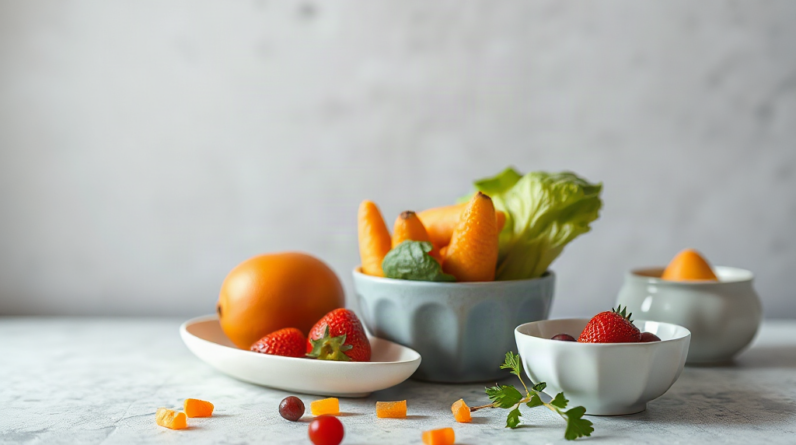
Pregnancy nutrition needs for balanced eating are met by combining varied whole foods with prenatal care that addresses folate, iron, iodine, choline, calcium, vitamin D, protein, and omega-3 fats. Regular meals built around vegetables or fruit, whole grains, protein-rich foods, and dairy or fortified alternatives can provide steady energy while nausea, reflux, constipation, or food aversions are managed with practical adjustments. A prenatal vitamin usually complements rather than replaces food, and supplement amounts should be checked with a clinician. Food safety, appropriate weight-gain monitoring, hydration, and individualized advice matter because needs differ with trimester, medical history, multiple pregnancy, and dietary restrictions.
Which Nutrients Deserve Priority During Pregnancy?
Several nutrients become especially consequential during pregnancy because they contribute to fetal development, expanding maternal blood volume, bone maintenance, thyroid function, and tissue growth. A varied diet remains the foundation, but eating a generally nutritious menu does not automatically cover every need. Folate, iron, iodine, choline, calcium, vitamin D, protein, and the omega-3 fat DHA deserve deliberate attention.
Folate contributes to early neural tube development, which begins before many people know they are pregnant. Beans, lentils, asparagus, leafy greens, citrus fruit, avocado, and enriched grain products provide folate, while prenatal products commonly contain folic acid or another supplemental form. Anyone planning a pregnancy should discuss supplementation before conception rather than waiting for a positive test, particularly after a previous pregnancy affected by a neural tube defect or when taking medicines that alter folate metabolism.
Iron supports the production of hemoglobin as blood volume increases. Meat, poultry, seafood that is safe during pregnancy, lentils, tofu, beans, and iron-fortified cereals are useful sources. Plant iron is generally less readily absorbed than iron from animal foods, so pairing lentils or fortified cereal with bell peppers, berries, tomatoes, or another vitamin C source is practical. Tea and coffee taken with an iron-rich meal may reduce absorption. More iron is not automatically better, however; excessive supplemental iron can worsen constipation or nausea and should not be added casually.
Iodine and choline receive less attention but contribute to fetal brain and nervous-system development. Iodized salt, dairy products, eggs, seafood, soy foods, beans, and certain meats can contribute, although amounts vary. Sea salt, kosher salt, and specialty salts are not necessarily iodized. People who avoid dairy, eggs, seafood, or animal foods should review these nutrients with a registered dietitian or prenatal clinician rather than assuming a plant-based prenatal vitamin covers them.
Calcium and vitamin D work together in bone health, while protein supplies amino acids needed for growing tissues. Milk, yogurt, cheese, calcium-set tofu, canned salmon with soft bones, and fortified plant beverages can supply calcium. Eggs, beans, fish, poultry, lean meat, tofu, nuts, seeds, and dairy foods make protein easier to distribute across the day. A common mistake is focusing on one highly publicized nutrient while overlooking the combined pattern. A spinach salad may provide folate, for example, but adding chickpeas, pasteurized cheese, whole-grain bread, and fruit makes it a more complete meal.
How Should Balanced Meals Change by Trimester?
Meal structure often needs to adapt as pregnancy progresses, but the early months do not require dramatically larger portions. During the first trimester, nausea, fatigue, altered taste, and food aversions may make consistency more valuable than culinary variety. Small meals containing a tolerated carbohydrate and a protein source—such as toast with egg, oatmeal with yogurt, or crackers with hummus—may be more manageable than a large mixed dish.
The second trimester may bring a more stable appetite, making it easier to build meals around four elements: produce, a protein source, a whole grain or other fiber-rich carbohydrate, and a calcium-rich food. A practical lunch could be a brown-rice bowl with cooked vegetables, salmon or tofu, avocado, and a yogurt-based sauce. A vegetarian version might use lentils and calcium-fortified soy yogurt. The comparison that matters is not a perfect meal versus a failed meal; it is a reasonably varied pattern across several days versus repeated meals that leave predictable nutrient gaps.
Later in pregnancy, reflux, early fullness, and constipation can make large portions uncomfortable. Smaller meals eaten more frequently may work better, while fiber and fluids should be increased gradually rather than abruptly. A dinner divided into two smaller sittings—half a baked potato with chicken and broccoli, followed later by yogurt and fruit—can deliver useful nutrition without the pressure of finishing a full plate at once. Remaining upright after eating and limiting personally identified reflux triggers may also help, although persistent or severe symptoms warrant medical advice.
Energy needs depend on prepregnancy size, activity, trimester, fetal number, and the course of the pregnancy, so rigid calorie rules can mislead. Weight change is only one piece of information and should be interpreted by a prenatal clinician using the individual’s starting point and health history. Deliberately restricting intake to control weight can compromise nutrient adequacy, while treating pregnancy as permission for unlimited portions may crowd out foods that supply iron, fiber, protein, and micronutrients.
A useful sign that the pattern is working is that meals are reasonably regular, several food groups appear across the day, hydration is adequate, and symptoms are not consistently preventing intake. Warning signs include inability to keep fluids down, dizziness, fainting, rapidly worsening swelling, persistent vomiting, or a very limited intake lasting more than a brief period. Those concerns require prompt contact with the maternity care team rather than increasingly complicated meal planning at home.
How Can Symptoms and Dietary Constraints Be Managed?
Pregnancy symptoms often change what is practical to eat, so a balanced plan should be flexible rather than dependent on one ideal menu. Nausea may be easier to manage with bland, cool, low-odor foods and something small before getting out of bed. A cold pasta salad with pasteurized cheese and chickpeas may be tolerated when hot meat or cooked vegetables are not. Ginger-containing foods may help some people, but concentrated supplements should be discussed with a clinician because products and doses differ.
Constipation is commonly approached by adding whole grains, beans, vegetables, fruit, nuts, seeds, and fluids. Increasing fiber too quickly without enough liquid can worsen bloating and discomfort. A gradual change—oatmeal at breakfast, a pear as a snack, and lentils added to soup—may be easier than suddenly using a large fiber supplement. If constipation is persistent, painful, or accompanied by bleeding, ask the prenatal team which treatments are appropriate in pregnancy.
Vegetarian and vegan patterns can meet pregnancy nutrition needs, but they require closer attention to vitamin B12, iron, iodine, choline, calcium, vitamin D, protein, zinc, and omega-3 fats. Fortified foods and supplements may be necessary, particularly for vitamin B12. Combining beans, tofu, tempeh, nuts, seeds, whole grains, vegetables, fruit, and fortified plant beverages produces a stronger pattern than relying heavily on refined vegan convenience foods. A plant-based label does not guarantee meaningful protein or micronutrient content.
Food allergies, lactose intolerance, cultural food patterns, and limited budgets call for substitutions rather than blanket exclusions. Lactose-free milk and fortified soy beverages can replace regular milk; canned low-mercury fish, eggs, beans, and peanut butter can make protein more affordable; frozen vegetables and fruit remain useful when fresh produce is costly or spoils quickly. Fortified oat, almond, and coconut beverages vary substantially in protein, calcium, vitamin D, iodine, and added sugar, so their labels should be compared rather than treated as nutritionally interchangeable.
Gestational diabetes, anemia, severe vomiting, hypertension, kidney disease, digestive disorders, previous bariatric surgery, or a multiple pregnancy can change nutrition priorities. Generic online menus are not substitutes for individualized care in these situations. The practical failure mode is removing broad categories—such as all carbohydrates after a glucose concern—without replacing their fiber, energy, and nutrients. A registered dietitian with prenatal experience can help adjust portions, timing, and food combinations while preserving adequate intake.
Prenatal Supplements and Food Safety Decisions
A prenatal supplement is a gap-filling tool, not a complete meal in tablet form. Products differ in their forms and amounts of folate, iron, iodine, vitamin D, choline, calcium, and DHA, and some omit nutrients that take up considerable space. Gummies may contain little or no iron, while products with calcium may interfere with iron when taken together. The label should be reviewed with a pharmacist or prenatal clinician instead of assuming every product marketed for pregnancy is equivalent.
Good Health Solution is Easier Than Most People Think! Take a Look for Yourself!
Taking a supplement with food may reduce nausea, although iron is not always absorbed best alongside calcium-rich foods. If a prenatal causes vomiting, severe constipation, or ongoing stomach pain, ask about a different formulation or schedule rather than stopping it silently. Avoid stacking a prenatal with separate multivitamins or high-dose single nutrients unless recommended. Preformed vitamin A in excessive supplemental amounts is a particular concern, whereas beta-carotene from foods is handled differently by the body.
Food safety deserves equal weight because pregnancy changes susceptibility to serious foodborne illness. Choose pasteurized milk, cheese, juice, and egg products; cook meat, poultry, seafood, and eggs thoroughly; wash produce under running water; prevent raw meat juices from contacting ready-to-eat foods; and refrigerate perishable items promptly. Heat deli meats and similar refrigerated ready-to-eat meats until steaming when advised by local public-health guidance. Recommendations can differ by country, so local government advice should take priority.
Seafood illustrates a real tradeoff. Fish can provide protein, iodine, vitamin D, and DHA, but species differ in mercury content. The better response is usually to choose a variety of lower-mercury cooked fish rather than eliminate seafood without replacing its nutrients. Avoid fish identified as high in mercury by the relevant national food-safety authority, and check local advisories for self-caught fish. Raw shellfish and raw or undercooked fish carry additional microbial risks.
Caffeine limits and herbal-product safety should also be reviewed with the maternity care team. Herbal teas, powders, tinctures, and products labeled natural are not automatically established as safe during pregnancy. Alcohol has no role as a nutrition strategy during pregnancy; questions about previous exposure or difficulty stopping deserve candid, nonjudgmental medical support. The common mistake across supplements and safety decisions is relying on marketing language when ingredient labels, preparation methods, and official public-health guidance provide more useful information.
A Practical Pregnancy Meal Checklist
A short daily check can reveal gaps without requiring calorie counting or a rigid meal plan. Review the whole day rather than judging each plate in isolation, since appetite and symptoms may make one meal sparse and another more substantial.
- Include protein several times: Rotate eggs, beans, lentils, tofu, yogurt, poultry, meat, nuts, seeds, and pregnancy-safe seafood.
- Add produce in tolerable forms: Fresh, frozen, canned, cooked, blended, or peeled choices can all contribute.
- Choose fiber-rich carbohydrates: Oats, whole-grain bread, brown rice, potatoes with skin, quinoa, beans, and fruit provide more than quick energy.
- Check calcium and vitamin D sources: Use dairy foods or fortified alternatives with meaningful amounts on the label.
- Confirm the prenatal plan: Know what the supplement contains, when to take it, and whether separate nutrients were specifically recommended.
- Apply food-safety controls: Check pasteurization, cooking, storage temperature, leftovers, and cross-contamination.
For example, a day of cereal, a sandwich, and pasta may provide enough energy but still be weak in protein, produce, choline, and omega-3 fats. Adding fortified milk to the cereal, egg and spinach to the sandwich, lentils or ground turkey to the pasta sauce, and fruit with yogurt changes the nutrient profile without creating an entirely new menu. If the checklist repeatedly exposes the same gap, choose one dependable food or clinician-approved supplement to address it instead of attempting a complete dietary overhaul.
Conclusion
Balanced pregnancy eating is less about constructing flawless plates and more about covering recurring needs with foods that remain practical through changing symptoms. Build most meals from a protein source, produce, a fiber-rich carbohydrate, and a calcium-rich choice, then check whether iron, folate, iodine, choline, vitamin D, and omega-3 fats are adequately represented across the week. Review the prenatal label instead of assuming it fills every gap, and apply careful pasteurization, cooking, storage, and seafood choices. Persistent vomiting, restrictive intake, suspected anemia, medical complications, or uncertainty about supplements should move the next decision from self-directed adjustments to the prenatal care team. A brief food record can make that conversation more specific and useful.
Frequently Asked Questions
Do I need to eat more during the first trimester?
Many people do not need substantially larger portions early in pregnancy. Prioritize nutrient-dense foods and tolerable, regular meals; ask your prenatal clinician for individualized guidance based on weight history, activity, symptoms, and fetal number.
Can a prenatal vitamin replace vegetables and other whole foods?
No. A prenatal product may cover selected micronutrients, but it does not provide the fiber, protein, fluids, varied plant compounds, or complete meal structure supplied by food.
What can I eat when pregnancy nausea limits my choices?
Try small portions of bland or cool foods, pair tolerated carbohydrates with protein, and sip fluids between meals. Contact your care team promptly if vomiting prevents you from keeping down liquids or medicines.
Is a vegetarian pregnancy diet adequate?
It can be, provided protein, iron, vitamin B12, iodine, choline, calcium, vitamin D, zinc, and omega-3 fats are deliberately covered. Vegan diets generally require a reliable vitamin B12 source and may benefit from dietitian review.
How do I choose a pregnancy-safe fish?
Choose cooked varieties listed as lower in mercury by your national food-safety authority, vary the species, and follow local advisories for self-caught fish. Avoid raw seafood and species identified as high in mercury.
Further Reading
Authoritative Sources
- Nutrition During Pregnancy
acog.orgThe American College of Obstetricians and Gynecologists explains major nutrients, food groups, weight gain, and prenatal vitamins
- Folate Fact Sheet for Consumers
ods.od.nih.govThe NIH Office of Dietary Supplements outlines folate sources, functions, and considerations surrounding pregnancy
- Advice About Eating Fish
fda.govFDA guidance helps pregnant consumers compare seafood choices according to mercury considerations
- About Listeria Infection
cdc.govCDC information explains the foodborne risk and why pregnancy-specific food precautions matter
 Good Health Solution is Easier Than Most People Think! Take a Look for Yourself!