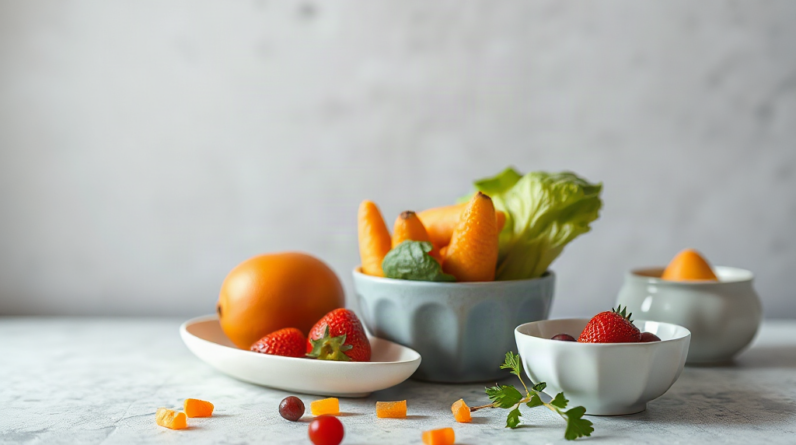
Healthy meals without a refrigerator or kitchen are built from shelf-stable foods that combine protein, fiber-rich carbohydrates, produce, and unsaturated fats. Useful staples include tuna pouches, canned beans, whole-grain crackers, nut butter, oats, dried fruit, and fruit packed in juice. Buy small containers, choose pull-tab cans when no opener is available, and prepare only what you can finish promptly after opening. Balance matters, but food safety comes first: inspect packaging, use potable water, keep utensils clean, and discard perishable leftovers rather than storing them at room temperature.
What Makes a No-Kitchen Meal Balanced?
A useful no-kitchen meal contains more than a snack-sized source of calories. Combining protein, a fiber-containing carbohydrate, fruit or vegetables, and a modest source of fat generally produces a more satisfying meal than relying on crackers, snack bars, or dried fruit alone. These parts do not need to come from fresh ingredients or require elaborate preparation.
Protein is often the missing component. Shelf-stable tuna, salmon, chicken, beans, lentils, nut butter, and certain boxed milks can make a meal more substantial. Carbohydrates such as whole-grain bread, tortillas, crispbread, oats, and ready-to-eat grain pouches provide energy, while beans, whole grains, fruit, and vegetables contribute fiber. Nuts, seeds, fish, and nut butter add fats that improve flavor and make a simple combination feel more complete.
Consider two lunches assembled in a hotel room. A package of crackers and a fruit cup is convenient but may leave someone hungry soon afterward. Adding a tuna pouch and a small handful of nuts creates a broader nutrient mix without introducing cooking or refrigerated storage. For a plant-based version, replace the fish with a single-serving bean cup or a pouch of seasoned lentils.
The strongest choices also fit the actual conditions. A large jar of nut butter may be economical during a week-long stay, while a one-day trip favors individual packets. Heavy cans make sense when sheltering in place but are awkward to carry on foot. Ready-to-eat pouches cost more per serving than dry staples, yet dry rice, pasta, and beans are not useful when there is no heat, soaking container, or safe way to wash equipment.
A common mistake is treating every shelf-stable product as nutritionally interchangeable. Pastries, chips, and candy survive without refrigeration, but a menu dominated by them offers little protein or fiber. Sodium can also accumulate quickly when every meal includes canned meat, soup, salty crackers, and packaged sauces. When choices permit, compare labels, alternate salty items with unsalted nuts or fruit, and drain canned foods. People managing kidney disease, diabetes, food allergies, swallowing problems, or another condition requiring an individualized diet should adapt these ideas with a qualified clinician or dietitian.
Use a simple check before calling a combination a meal: identify its protein, its carbohydrate or fiber source, and some form of produce. Fat may already be present in fish, nuts, or seeds. If one category is absent, add the smallest practical item rather than rebuilding the entire meal.
Which 12 Shelf-Stable Foods Are Most Useful?
The most versatile pantry choices can be eaten directly, work in multiple combinations, and come in portions that match the number of people eating. The following 12 foods cover different roles rather than competing for a single definition of “best.” Availability, dietary needs, water access, budget, and package size should determine the final mix.
| Food | Useful role | Practical pairing |
|---|---|---|
| Tuna or salmon pouches | Protein with no draining | Whole-grain crackers and tomatoes |
| Canned chicken | Mild, ready-to-eat protein | Tortilla and canned corn |
| Canned beans or lentils | Plant protein and fiber | Salsa and crispbread |
| Nut or seed butter | Protein and fat in a compact form | Bread, banana, or oats |
| Unsalted nuts and seeds | Portable fat, protein, and texture | Dried fruit and cereal |
| Whole-grain crackers or crispbread | Ready-to-eat carbohydrate | Fish, beans, or nut butter |
| Whole-grain tortillas | Flexible base requiring no utensils | Chicken, beans, or peanut butter |
| Plain rolled oats | Fiber-rich grain that can be soaked | Shelf-stable milk and raisins |
| Shelf-stable milk | Protein and a liquid for cereal | Oats or whole-grain cereal |
| Canned vegetables | Produce with long unopened storage | Beans and ready-to-eat grains |
| Fruit cups or canned fruit | Convenient fruit without cutting | Oats, nuts, or cereal |
| Dried fruit | Compact produce option | Nuts, seeds, or nut butter |
Packaging details can determine whether these foods are genuinely usable. Select pull-tab cans if a can opener is unavailable. Shelf-stable milk remains unrefrigerated only while its package is sealed; after opening, it should be treated according to the label and generally requires refrigeration. Small cartons reduce waste when only one person is eating. The same logic applies to canned vegetables and fruit.
Fresh produce does not automatically require a refrigerator. Whole bananas, oranges, apples, pears, carrots, and small tomatoes may be practical for short periods when they are intact and kept away from excessive heat. Their usable life varies with ripeness and conditions, so buy only what can be inspected and eaten soon. Precut fruit, bagged salads, and refrigerated dips are a different category and should not be assumed safe at room temperature.
Dry oats illustrate another important distinction. Rolled oats can soften in potable water or shelf-stable milk, but the liquid and clean container must be available, and the serving should be eaten rather than left sitting indefinitely. Steel-cut oats do not soften as readily without heat. Likewise, a microwave grain pouch may be labeled ready to eat, but consumers should verify the package directions instead of assuming every pouch can be consumed without heating.
Do not buy solely for theoretical shelf life. A case of beans is unhelpful without an opener, disposable bowl, spoon, and a plan for unfinished portions. A smaller selection of foods that can be opened and completely consumed is usually safer and more functional.
How Do You Assemble Complete Meals Without Cooking?
Meal assembly works best when each ingredient has a defined role and the portion matches immediate appetite. Start with one protein, add one grain or other carbohydrate, include produce, and finish with nuts, seeds, nut butter, or another fat if the meal otherwise lacks one. This method allows substitutions when a store has limited stock without turning lunch into a random collection of snacks.
For breakfast, combine rolled oats, a single-serving carton of shelf-stable milk, raisins, and walnuts. If soaking oats is inconvenient, choose a whole-grain cereal that can be eaten immediately. A banana with peanut butter and whole-grain bread is even simpler. Sweetened breakfast bars may be portable, but they are often less substantial than a meal containing a recognizable protein source and whole fruit.
For lunch, spread nut or seed butter on a tortilla and add a banana, then serve it with a shelf-stable milk carton. A savory alternative pairs a tuna pouch with whole-grain crackers, whole tomatoes, and an orange. Dinner could combine a pull-tab can of beans, canned corn, salsa packets, and tortillas. Drain only when it can be done hygienically, and avoid creating liquid waste where safe disposal is difficult.
A practical one-day plan might look like this:
- Breakfast: whole-grain cereal, shelf-stable milk, dried fruit, and pumpkin seeds.
- Lunch: salmon pouch, crispbread, an apple, and unsalted nuts.
- Dinner: beans, corn, salsa, and tortillas, followed by a fruit cup.
This plan is an assembly template, not a prescription. Someone with a small appetite may need fewer items, while a person doing physical work may need larger portions or additional snacks. Food allergies, cultural preferences, chewing ability, and health conditions can require different products. The useful sign is not whether every meal looks identical; it is whether meals regularly include a meaningful protein source and do not depend almost entirely on refined snacks.
Budget changes the best approach. Peanut butter, oats, tortillas, raisins, and canned beans often stretch across several meals, but larger packages create a storage problem once opened. Individual pouches and cups reduce leftovers and utensil needs, although they usually cost more and generate more packaging. When staying in one secure place, larger resealable dry-food packages may be reasonable. During travel or a temporary emergency, single-use portions may justify their higher price because they reduce contamination and waste.
Good Health Solution is Easier Than Most People Think! Take a Look for Yourself!
Check progress after the first day. Persistent hunger may indicate too little total food, protein, fat, or fiber. Excessive thirst may reflect a heavily salted menu rather than inadequate meal volume. Digestive discomfort can occur when fiber intake rises abruptly without enough fluid. Adjust the next purchase by changing one weak point—for example, replace a pastry breakfast with oats and nut butter, or alternate salty canned meat with lower-sodium beans when suitable.
How Do You Store and Handle Food Safely?
Room-temperature storage applies to unopened shelf-stable products, not every food sold in a carton, can, or pouch after it has been opened. Package instructions remain the controlling reference. If a label says to refrigerate after opening and no refrigerator is available, choose a smaller package, share it immediately, or discard the unused portion.
Inspect food before eating it. Do not use cans that are leaking, badly swollen, or severely damaged around their seams. Reject packages with broken seals, unexplained punctures, or signs that contents have escaped. A normal smell does not establish safety, so tasting questionable food is not an appropriate test. When a product’s storage history is unknown—such as a pouch left in a hot vehicle for an extended period—replacing it is the more prudent choice.
Potable water and clean hands matter even when no cooking occurs. Wash or sanitize hands before touching food, keep utensils off unclean surfaces, and wipe the top of a can before opening when possible. Never use water of uncertain safety to dilute drinks, soak oats, rinse food, or clean eating utensils. If local authorities issue water-use instructions during an outage or emergency, follow those instructions rather than relying on normal routines.
Heat, moisture, pests, and direct sunlight shorten the practical usefulness of stored supplies. Keep food in a dry, shaded location and close dry packages securely. Elevating provisions off the floor can help protect them from spills and pests. Rotate stock by using packages with earlier dates first, but do not confuse a printed quality date with proof that a poorly handled product is safe. Condition and storage history still matter.
A compact readiness check prevents predictable failures:
- Confirm that cans have pull tabs or pack a manual opener.
- Carry potable water, utensils, napkins, and a waste bag.
- Match package sizes to one meal or one eating group.
- Separate allergy-safe foods and verify labels each time.
- Keep a backup protein and carbohydrate that require no preparation.
The most common failure is planning around ingredients rather than the full eating process. Canned beans still require an opening method, a place to eat, and a way to handle liquid and leftovers. Oats require safe water and a clean vessel. A realistic kit accounts for opening, serving, eating, cleaning, and disposal. When those steps cannot be completed safely, select foods that can be eaten directly from their original package.
Conclusion
A dependable no-kitchen menu is built around usable portions, balanced combinations, and safe handling rather than an oversized collection of pantry goods. Choose proteins that can be opened without special equipment, pair them with whole grains or another fiber source, and include intact or packaged produce that suits the storage conditions. Small containers are often worth the added cost when refrigeration is unavailable because they limit leftovers.
Before shopping, confirm access to potable water, an opener, utensils, secure storage, and waste disposal. Then plan one complete day of meals and duplicate only the combinations that work. Replace choices that cause persistent hunger, excessive saltiness, unnecessary waste, or complicated cleanup. Package directions, intact seals, and conservative handling should take priority over convenience whenever safety is uncertain.
Frequently Asked Questions
Can shelf-stable milk be kept without a refrigerator?
Unopened shelf-stable milk can be stored as directed on its package. Once opened, follow the label’s refrigeration instructions; choose a single-serving carton if cold storage is unavailable.
What protein can I eat without cooking?
Tuna or salmon pouches, canned chicken, pull-tab beans, lentils, nut butter, nuts, seeds, and unopened shelf-stable milk are practical options. Check labels for preparation and storage directions.
Can I eat canned food directly from the can?
Many canned foods are fully cooked and ready to eat, but verify the label. Inspect the can, clean its top when possible, use a safe opener, and avoid sharp edges.
Which fruits work well without refrigeration?
Intact apples, oranges, bananas, pears, and some other whole fruits can be practical for short-term use. Buy manageable amounts, protect them from heat and bruising, and avoid unrefrigerated precut fruit.
How can I reduce sodium in no-cook meals?
Compare labels, choose lower-sodium versions when available, drain canned foods, and pair salty products with fruit, unsalted nuts, oats, or other minimally salted staples.
Further Reading
Authoritative Sources
- Shelf-Stable Food Safety
fsis.usda.govUSDA guidance explains shelf-stable packaging, storage, dates, and handling considerations relevant to meals prepared without refrigeration
- What Is MyPlate?
myplate.govThis federal resource outlines the major food groups that can inform more balanced no-cook meal combinations
- Food Safety During Power Outages
foodsafety.govThis chart helps readers distinguish shelf-stable supplies from refrigerated foods affected by a loss of power
 Good Health Solution is Easier Than Most People Think! Take a Look for Yourself!