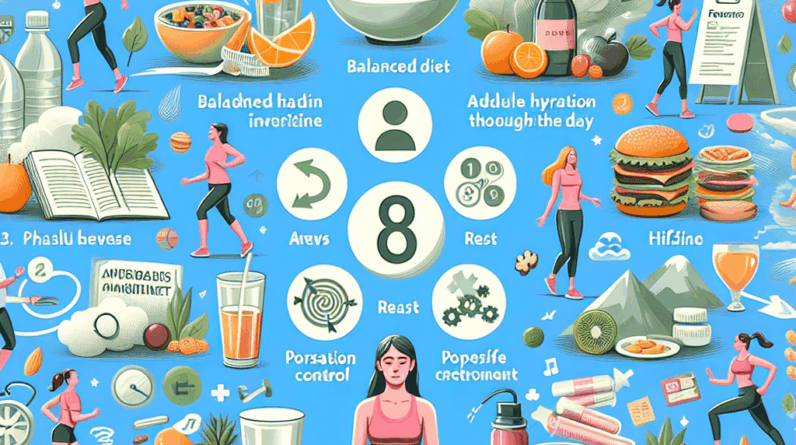
A healthy breakfast composition for lasting fullness combines a substantial protein source, fiber-rich carbohydrate, unsaturated fat, and enough food volume to satisfy appetite. Protein and fiber generally slow digestion more than refined starch alone, while fat adds staying power and fruit or vegetables contribute water and bulk. A practical food mix might pair eggs with whole-grain toast and fruit, or plain Greek yogurt with oats, berries, and nuts. Portion needs vary with body size, activity, medication, and the time until the next meal, so persistent hunger is a reason to adjust the meal rather than assume breakfast itself has failed.
What Makes a Breakfast Filling?
Fullness depends on more than the number of calories in a morning meal. Protein, fiber, fat, water content, food texture, portion size, and eating pace all influence how satisfying breakfast feels. A sweet pastry and a bowl of oats may contain similar energy, yet the oats can provide more fiber and volume. Adding milk, yogurt, nuts, or seeds changes the comparison again by increasing protein or fat.
Protein is especially useful when breakfast would otherwise consist mainly of refined carbohydrate. Eggs, cottage cheese, plain Greek yogurt, milk, fortified soy beverage, tofu, beans, fish, and leftover poultry are practical options. Protein takes time to digest and contributes more structure to a meal than juice, toast, or cereal eaten alone. Exact needs differ, so a food-first approach is more realistic than treating one protein target as mandatory for everyone.
Fiber adds another form of staying power. Oats, whole-grain bread, bran cereal, beans, berries, pears, apples, chia seeds, and vegetables provide varying types and amounts of fiber. Fiber-rich foods tend to require more chewing and may slow the movement of food through the digestive system. Whole fruit is usually more filling than an equivalent drink because its intact structure and fiber remain. Juice can fit a diet, but it should not be expected to perform like a full serving of fruit plus a protein-containing meal.
Unsaturated fats from nuts, seeds, avocado, olive oil, or nut butter increase flavor and energy density. They can make a modest bowl of oatmeal more satisfying, but adding large portions may produce a meal that feels heavy rather than comfortably filling. A spoonful of nut butter serves a different purpose from several unmeasured spoonfuls.
Volume and texture complete the picture. Berries mixed into yogurt, vegetables folded into eggs, or a piece of fruit beside toast adds bulk and water. Drinking only a smoothie can be less satisfying for some people because it requires little chewing and is easy to consume quickly. A thicker smoothie eaten from a bowl, or a drink paired with solid food, may work better. The practical goal is not maximum fullness; it is comfortable satisfaction that lasts until the next planned eating occasion.
How to Build a Balanced Breakfast
A dependable breakfast can be assembled from four functional parts: a protein anchor, a fiber-rich carbohydrate, produce, and a modest source of fat. These parts do not require four separate dishes. Oatmeal made with milk and topped with berries and walnuts already covers the structure, as does a bean-and-egg tortilla with salsa and avocado.
Start by identifying the protein anchor because it is the component most often missing from quick breakfasts. Toast, fruit, or cereal may be convenient, but each is more likely to hold appetite when paired with eggs, yogurt, milk, soy foods, beans, or another substantial protein source. A thin spread of peanut butter adds some protein, although it functions primarily as an energy-dense fat source; larger protein needs may call for milk, yogurt, eggs, or soy alongside it.
Next, choose a carbohydrate that contributes more than sweetness. Rolled oats, dense whole-grain bread, unsweetened high-fiber cereal, potatoes with their skin, beans, and fruit provide useful nutrients and texture. Product labels can clarify whether a bread or cereal is made predominantly with whole grains and how much added sugar it contains. A package color, rustic appearance, or label such as “multigrain” does not by itself establish fiber content.
Use this compact assembly check when planning breakfast:
- Anchor: Include a recognizable protein-rich food rather than relying on trace amounts from grains.
- Fiber: Add whole grains, beans, fruit, vegetables, seeds, or a combination.
- Volume: Include produce or another water-rich food if the meal looks physically small.
- Fat: Use nuts, seeds, avocado, or another fat in a portion that supports satisfaction without crowding out the rest of the meal.
- Timing: Increase the meal or plan a snack if lunch is many hours away.
Portion size should reflect the morning ahead. Someone eating at 6:30 a.m. before physical work may need more food than someone eating at 9:30 a.m. before an early lunch. A small appetite can be handled by choosing compact foods such as yogurt, nut butter, eggs, or overnight oats rather than forcing a very large plate. Conversely, repeatedly choosing a miniature breakfast and then becoming intensely hungry within an hour is a sign that convenience has displaced adequacy.
The common mistake is judging balance by appearance alone. A colorful smoothie may contain fruit and greens but little protein, while a breakfast sandwich may supply protein yet almost no fiber. Check what each ingredient contributes, then correct the missing function rather than labeling the entire meal good or bad.
Breakfast Examples for Different Needs
The best breakfast format is the one that meets appetite, schedule, budget, and dietary needs without requiring unrealistic preparation. A cooked plate is not inherently more nourishing than a cold meal, and traditional breakfast foods are not mandatory. Leftovers can work particularly well because they often combine protein, vegetables, and a substantial carbohydrate.
For a rushed morning, plain Greek yogurt with rolled oats, frozen berries, and chopped nuts can be assembled the night before. Frozen fruit avoids spoilage and softens as it thaws. If dairy is unsuitable, fortified soy yogurt or soy beverage generally contributes more protein than many nut- or grain-based alternatives, although labels vary. People managing allergies should verify ingredients and cross-contact warnings rather than assuming all plant-based products are interchangeable.
For a warm savory option, scrambled eggs or tofu can be paired with whole-grain toast and tomatoes, spinach, or leftover roasted vegetables. One slice of toast may be enough for a short interval until lunch; a longer or more active morning might call for another slice, potatoes, beans, or fruit. The appropriate adjustment is often additional total food, not simply more coffee.
A lower-cost combination could use oatmeal cooked with milk, a banana, and peanut butter. Beans with eggs and corn tortillas offer another economical pattern. Buying specialty powders, breakfast bars, or individually portioned products is not necessary for fullness. Powdered protein can be convenient when food access or appetite is limited, but it lacks the chewing, variety, and culinary flexibility of a complete meal unless other foods are added.
People who exercise early may need to split breakfast. A banana, toast, or small serving of oats before activity may be easier to tolerate, followed afterward by a meal containing protein, carbohydrate, and fluids. Eating a large, fatty, high-fiber meal immediately before vigorous movement can cause discomfort for some people. Personal tolerance and the intensity of exercise matter more than forcing one universal schedule.
For those who do not feel hungry after waking, breakfast does not have to happen immediately. A portable meal can be eaten later when appetite appears. Medication instructions, pregnancy, diabetes management, gastrointestinal conditions, and a history of disordered eating can change appropriate timing or composition; individualized advice from a registered dietitian or another qualified clinician may be more useful in those situations. Lasting fullness is a practical aim, not a treatment for a medical condition.
Good Health Solution is Easier Than Most People Think! Take a Look for Yourself!
Why Does Hunger Return So Quickly?
Early hunger usually points to a mismatch among meal size, composition, timing, and the demands of the morning. It does not automatically mean that carbohydrate is harmful or that breakfast should be skipped. Reviewing what was eaten, when hunger returned, and what activity occurred in between gives more useful information than following a rigid food rule.
A breakfast dominated by rapidly eaten refined carbohydrate is a common pattern. Sweetened coffee and a muffin, for example, may provide substantial energy but limited protein, fiber, and chewing. Replacing the entire meal is not the only solution. A smaller muffin served with plain yogurt and fruit changes the balance while preserving a preferred food. Similarly, cereal can become more substantial when it has meaningful fiber and is paired with milk, nuts, and berries.
Liquid calories can also be easy to underestimate. Coffee drinks, juice, and thin smoothies may pass quickly and fail to create the sensory experience of a meal. If a smoothie is the only feasible choice, use a protein-containing base, include whole fruit, and consider oats, chia seeds, or nut butter. The result still needs a reasonable total portion; adding a token spoonful of several ingredients does not guarantee adequate nourishment.
Sleep loss, stress, habitual meal timing, and increased activity can alter appetite independently of breakfast quality. Hunger after a hard morning workout is expected and should not be treated as evidence of poor self-control. Thirst can coexist with hunger, but water is not a substitute for food when the meal was too small. Persistent unusual hunger accompanied by unexplained weight change, excessive thirst, weakness, or other concerning symptoms deserves clinical evaluation rather than repeated dietary experimentation.
Use a simple test over several comparable mornings. Keep the breakfast format mostly consistent, then change one meaningful variable: add a full protein serving, increase oats or whole-grain bread, include fruit, or enlarge the overall portion. An approach is working when comfortable satisfaction lasts closer to the next planned meal without sluggishness or preoccupation with food. It is failing when hunger reliably returns soon afterward, the meal causes digestive discomfort, or preparation is too complicated to repeat.
Avoid responding to every hunger signal by continually adding fat. Nuts, cheese, avocado, and spreads are compact and useful, but they can displace fiber-rich foods and produce without adding much volume. Correct the clearest gap first. If breakfast already contains eggs and avocado but no substantial carbohydrate, adding whole-grain toast or fruit may make more sense than adding another egg or more avocado.
Conclusion
Breakfast works best when its ingredients perform distinct jobs rather than merely filling a plate. Prioritize a recognizable protein source, include fiber from whole grains, beans, fruit, vegetables, or seeds, and use unsaturated fat to round out the meal. Then adjust volume and portion size to the length and activity level of the morning.
Begin with a familiar breakfast and identify its weakest element. Toast may need eggs or yogurt; yogurt may need oats and fruit; a smoothie may need more protein or a solid companion. Test one adjustment over several similar mornings and note comfort, hunger timing, energy, and practicality. If pronounced hunger persists despite adequate meals, or appears with other symptoms, seek individualized guidance rather than imposing increasingly restrictive food rules.
Frequently Asked Questions
Is protein or fiber more important for breakfast fullness?
Both contribute in different ways, and meals containing meaningful amounts of each are often more satisfying than meals centered on only one. Pair a protein food such as eggs or yogurt with oats, whole-grain bread, beans, fruit, or vegetables.
Can oatmeal keep you full until lunch?
It may, particularly when cooked with milk or soy beverage and topped with fruit, nuts, seeds, or yogurt. Plain oats made with water may be too small or low in protein for some people.
Are smoothies filling enough for breakfast?
A smoothie can be filling when it contains a protein-rich base, whole fruit, and ingredients such as oats, seeds, or nut butter. Thin, juice-heavy smoothies are often less substantial, and some people feel better pairing a smoothie with solid food.
Do I need to eat breakfast immediately after waking?
No universal timing suits everyone. Appetite, work schedules, exercise, medications, and health needs affect timing. If delaying breakfast causes intense hunger or poor concentration, prepare a portable meal for the time appetite normally appears.
What should I add when breakfast does not last?
Identify the missing component before adding random calories. Add a substantial protein source if the meal is mostly starch, fiber-rich food if it lacks whole plants, or a larger overall portion if the composition is balanced but too small.
Further Reading
Authoritative Sources
- What Is MyPlate?
myplate.govThe USDA resource explains how food groups can be combined when planning balanced meals
- Healthy Eating Plate
nutritionsource.hsph.harvard.eduHarvard’s Nutrition Source offers a practical visual model for combining whole grains, protein, produce, and healthy oils
- Keep Active and Eat Healthy to Feel Great
niddk.nih.govThis federal resource provides broader context for meal choices, activity, and sustainable eating patterns
- Dietary Guidelines for Americans
dietaryguidelines.govThe official guidelines provide evidence-based context on nutrient-dense foods, dietary patterns, and added sugars
 Good Health Solution is Easier Than Most People Think! Take a Look for Yourself!