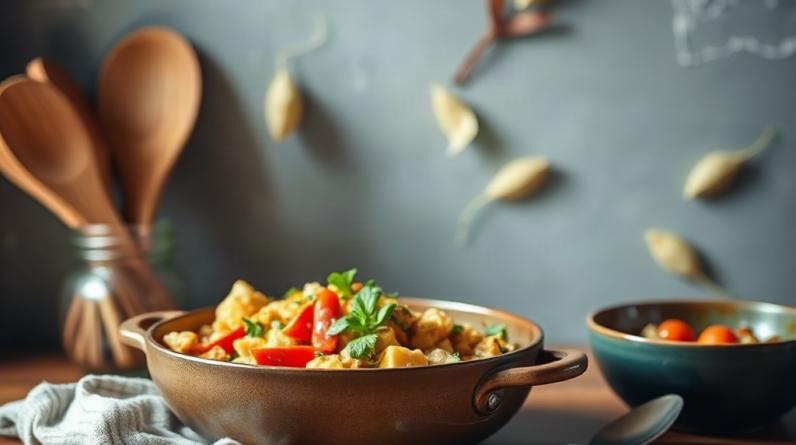
Finding joy in cooking healthy meals comes from making the process rewarding before the food reaches the table: choose ingredients you genuinely like, use bold flavor builders, simplify preparation, and create small kitchen rituals that feel inviting. Build meals from flexible combinations rather than rigid recipes, and keep convenient staples available for low-energy days. Treat color, texture, aroma, and experimentation as sources of pleasure instead of measuring success only by nutrition targets. If cooking repeatedly feels draining, reduce the number of decisions, share the work, or rely on wholesome shortcuts; enjoyment is more likely to grow from manageable repetition than from ambitious meal plans.
Make Healthy Food Genuinely Pleasurable
Enjoyable healthy cooking begins with sensory appeal, not nutritional perfection. A meal may contain plenty of vegetables, fiber, and protein yet still feel disappointing if it is bland, monotonous, or texturally flat. Pleasure is not an optional reward added after the nutrition work; it is one reason a meal pattern can remain workable over time. Start with foods you already welcome rather than forcing yourself to adopt ingredients merely because they have a healthy reputation.
Flavor usually improves when several elements work together. Salt brings existing flavors forward, acidity from lemon juice or vinegar adds brightness, herbs and spices create aroma, and a modest amount of fat carries flavor and provides richness. Texture matters just as much. Roasted chickpeas can add crunch to a grain bowl, toasted seeds can enliven soup, and crisp cabbage can balance soft beans or roasted sweet potato. These details make nutritious ingredients feel like a composed meal rather than a collection of obligations.
Consider the difference between plain steamed broccoli beside unseasoned brown rice and a bowl made with roasted broccoli, rice, white beans, lemon, garlic, olive oil, and toasted pumpkin seeds. Both can supply useful nutrients, but the second offers browning, acidity, aroma, creaminess, and crunch. Healthy eating does not require avoiding salt, fat, or sauces entirely. Individual needs differ, but automatically stripping away every concentrated flavor often makes home cooking harder to enjoy and sustain.
A practical flavor shelf can include a few items you reliably use: mustard, vinegar, citrus, low-sodium soy sauce, tahini, salsa, dried spices, fresh garlic, or a favorite herb. Choose according to budget, dietary needs, and the cuisines you enjoy. Buying many unfamiliar condiments at once can create clutter and expense without improving meals. Two dependable finishing sauces are more useful than ten jars you rarely open.
The common mistake is treating healthfulness as a test of restraint. That mindset can turn every decision into a restriction and make satisfying ingredients seem suspect. A better question is whether the complete meal offers nourishment and pleasure in a proportion that works for you. The practical aim is not a flawless plate; it is food you look forward to preparing and eating often enough that home cooking remains viable.
Replace Recipe Pressure With Flexible Meal Building
Flexible meal building removes the fear of getting a recipe wrong. Detailed recipes are useful for learning a technique or making a particular dish, but they can become burdensome on ordinary evenings when an ingredient is missing or time is short. A repeatable meal pattern lets you make decisions from what is available while preserving enough structure to produce a satisfying result.
One useful pattern is to combine a vegetable or fruit, a protein source, a filling carbohydrate, and a flavorful finish. That might become roasted carrots, lentils, couscous, and herbed yogurt; sautéed peppers, eggs, corn tortillas, and salsa; or frozen vegetables, tofu, noodles, and a ginger-peanut sauce. The categories are not rigid nutrition rules. They are prompts that help prevent the familiar situation of opening the refrigerator, seeing separate ingredients, and concluding there is nothing to eat.
Use a short sequence when improvising:
- Choose the anchor: Pick the ingredient that needs using first or the food you most want to eat.
- Select one suitable method: Roast for browning, sauté for speed, or simmer when hands-off cooking is preferable.
- Add staying power: Include beans, eggs, fish, poultry, tofu, yogurt, whole grains, potatoes, or another satisfying staple suited to your needs.
- Finish deliberately: Taste for salt, acidity, heat, richness, and texture before serving.
This approach works especially well for beginners because it narrows choices without requiring advanced skill. More experienced cooks may enjoy improvising across several techniques, but complexity is not evidence of better cooking. A sheet-pan dinner that uses one temperature and a prepared sauce can be more successful than an elaborate dish that leaves the cook tired and the kitchen unusable.
Keep substitutions realistic. Spinach can often replace kale in a soup, but it cooks much faster. Canned beans can stand in for home-cooked beans, though rinsing may improve their flavor and reduce some sodium. Whole grains can offer fiber and texture, yet a mixture of brown and white rice may be more enjoyable for someone who dislikes dense grains. The healthiest practical choice is often the one that balances nutritional value with taste, access, cost, and the likelihood that it will actually be eaten.
Rigid meal schedules commonly fail because they assume appetite, time, and energy remain constant. Use how to find joy in cooking healthy meals as a reminder to keep a few adaptable formulas rather than assigning a demanding new recipe to every night.
Design a Kitchen Routine That Reduces Friction
Kitchen enjoyment falls quickly when cooking begins with a sink full of dishes, an empty pantry, or forty minutes of chopping. Reducing friction protects the parts of cooking that can feel creative. It also acknowledges that energy varies: the meal that feels pleasant on a quiet Sunday may be unrealistic after a long workday or while caring for family.
Stocking a small set of dependable ingredients creates a useful safety net. Frozen vegetables, canned tomatoes, canned beans, eggs, plain yogurt, whole-grain bread, quick-cooking grains, and frozen fish or edamame can support several meals with little preparation. Convenience and health are not opposites. Precut vegetables, microwaveable grains, bagged salad, rotisserie chicken, and jarred sauces may cost more per serving or contain more sodium, but they can still be sensible when they prevent skipped meals or expensive takeout. Check labels when sodium, added sugar, or allergens matter to you, and adjust the rest of the meal accordingly.
Preparation should target bottlenecks rather than consume an entire day. If chopping is the task you dislike, wash and cut two vegetables after shopping. If weekday cooking takes too long, prepare one grain or sauce in advance. If leftovers become unappealing, cook components instead of complete meals. Roasted vegetables can go into a wrap one day and a bowl the next; cooked chicken can accompany potatoes at dinner and fill a sandwich at lunch. This offers continuity without requiring identical plates.
Cleanup also shapes memory. A meal associated with an hour of washing up will be harder to anticipate with pleasure. Clean one or two tools while food simmers, line a baking tray when appropriate, and favor one-pan or one-pot methods on busy nights. The goal is not a spotless kitchen before eating. It is avoiding a pileup large enough to overshadow the meal.
A routine is working when you can begin dinner without prolonged negotiation, ingredients are used before spoiling, and cleanup feels proportionate to the result. It is failing when the shopping list is too specialized, planned dishes repeatedly get postponed, or prep sessions leave you too tired to cook. In that case, remove steps before seeking more motivation. The advice in how to find joy in cooking healthy meals becomes useful only when it fits the time, mobility, equipment, and budget available in your household.
Use Curiosity and Connection to Keep Cooking Interesting
Curiosity can refresh familiar ingredients without turning every dinner into an experiment. Repetition is valuable because it builds fluency, but exact repetition can dull interest. Keep the dependable base and vary one feature: change the spice blend, cooking method, sauce, or crunchy topping. Someone comfortable making lentil soup might try adding smoked paprika one week and lemon with dill the next. The meal remains recognizable while offering something new to notice.
Good Health Solution is Easier Than Most People Think! Take a Look for Yourself!
Choose experiments small enough that failure will not ruin dinner. Test a new spice on one portion of roasted vegetables rather than seasoning the entire tray. Make a half batch of an unfamiliar dressing. Pair a new vegetable with a familiar protein and starch. This limits wasted food and removes the pressure to like every attempt. A result you would not repeat still teaches you whether the issue was bitterness, texture, seasoning, or cooking time.
Seasonal produce can supply novelty, but seasonality should not become another standard to meet. A ripe local tomato may need little more than salt and olive oil, while frozen berries or broccoli can be affordable, convenient, and nutritionally useful outside peak season. Fresh, frozen, and canned foods all have a place; the better choice depends on intended use, storage, price, and how quickly fresh food will be eaten. Buying aspirational produce that spoils is less useful than keeping frozen vegetables you cook regularly.
Connection changes the experience as well. Cooking with a partner, child, roommate, or friend can divide labor and make the kitchen more social. Assign complete jobs rather than asking vaguely for help: one person washes greens, another makes dressing, and another sets the table. If shared cooking creates crowding or conflict, alternate responsibility instead. One person cooks while another handles cleanup, or each household member chooses one dinner during the week.
Music, a comfortable apron, an open window, or a beverage can become a cue that separates cooking from the rest of the day. These rituals work when they make the actual task more pleasant; they do not compensate for an overcomplicated menu. The mistake is pursuing constant novelty, buying specialty ingredients, and mistaking performance for enjoyment. Sustainable curiosity adds interest to an achievable routine rather than replacing it.
Recognize When the Routine Needs to Change
Persistent dread is information about the cooking system, not proof of laziness. Identify the exact point where resistance appears. If it begins while choosing a meal, reduce options. If it starts during chopping, buy precut produce or use recipes with fewer ingredients. If the problem is cleanup, switch to tray bakes, soups, or assembled meals. If food tastes disappointing, focus on seasoning and technique rather than collecting more recipes.
Low-energy days need their own standard of success. Toast topped with eggs and tomatoes, yogurt with fruit and nuts, canned bean soup with added greens, or a frozen vegetable stir-fry can form a nourishing meal without a major project. Some convenience foods are more processed than their scratch-made equivalents, but processing alone does not determine whether a food fits a balanced pattern. Consider the whole meal, frequency, dietary requirements, cost, and the alternative you would otherwise choose.
Watch for signs that healthy cooking has become excessively rigid: anxiety when ingredients change, guilt after using convenience products, avoiding social meals, or spending more time tracking food than enjoying it. Nutrition needs are personal, and food is not a treatment for every health concern. A registered dietitian or other qualified health professional may be useful when medical conditions, allergies, digestive symptoms, disordered-eating concerns, or highly restrictive diets complicate meal choices.
Interest naturally rises and falls. During a demanding period, the right adjustment may be fewer cooking nights, larger batches, meal sharing, or selective takeout rather than a new culinary challenge. When circumstances improve, you can add complexity again. Finding how to find joy in cooking healthy meals is less about maintaining enthusiasm every evening than creating enough satisfying experiences that cooking does not feel like a recurring punishment.
A useful weekly check is simple: Which meal tasted best, which task caused the most friction, and what food went unused? Keep the successful flavor or method, remove one obstacle, and buy less of what was wasted. Small corrections based on actual behavior are more reliable than rebuilding the entire menu around an idealized version of your week.
Frequently Asked Questions
How can I enjoy cooking when I am tired after work?
Reserve low-effort combinations for those evenings, such as microwaveable grains, frozen vegetables, beans, eggs, or prepared sauces. Reduce chopping and cleanup first; a simpler dinner is usually more helpful than trying to increase motivation.
What if healthy meals always taste bland to me?
Check the meal for salt, acidity, aroma, richness, and texture. Lemon, vinegar, herbs, spices, toasted nuts, yogurt-based sauces, or olive oil can add contrast without abandoning a balanced meal.
Do I need to cook everything from scratch?
No. Frozen produce, canned beans, precooked grains, bagged greens, and other prepared ingredients can make home meals realistic. Choose shortcuts according to cost, dietary needs, labels, and the amount of labor they save.
How often should I try a new recipe?
Try one when you have enough time and interest to tolerate uncertainty. On busy weeks, vary one element of a familiar meal instead, such as its sauce, seasoning, vegetable, or cooking method.
Can meal preparation make cooking more enjoyable?
Yes, if it removes a task you dislike. Prepare one bottleneck item, such as chopped vegetables, cooked grains, or dressing, rather than spending hours making complete meals you may not want later.
Conclusion
Joy grows more reliably from satisfying details than from culinary ambition. Prioritize food you like, deliberate seasoning, contrasting textures, and a level of effort that fits the day. Keep flexible staples nearby, use wholesome convenience products without guilt, and prepare only the components that remove a genuine bottleneck. Add novelty in small doses so an unsuccessful experiment does not waste dinner or strain the budget.
For the next week, choose one familiar meal and improve a single sensory element, then remove one recurring source of kitchen friction. Notice whether you begin cooking more readily, waste less food, and feel satisfied after eating. If rigid food rules, medical restrictions, or persistent anxiety are driving the difficulty, seek individualized support rather than forcing a stricter routine. A workable kitchen practice should leave room for nourishment, pleasure, limited energy, and ordinary life.
 Good Health Solution is Easier Than Most People Think! Take a Look for Yourself!