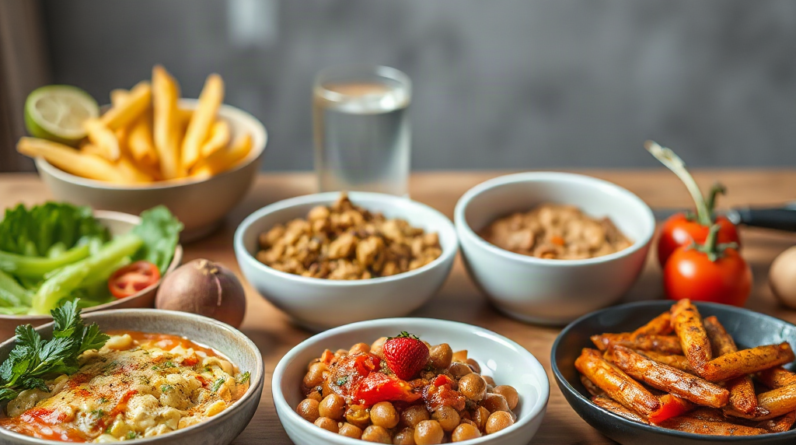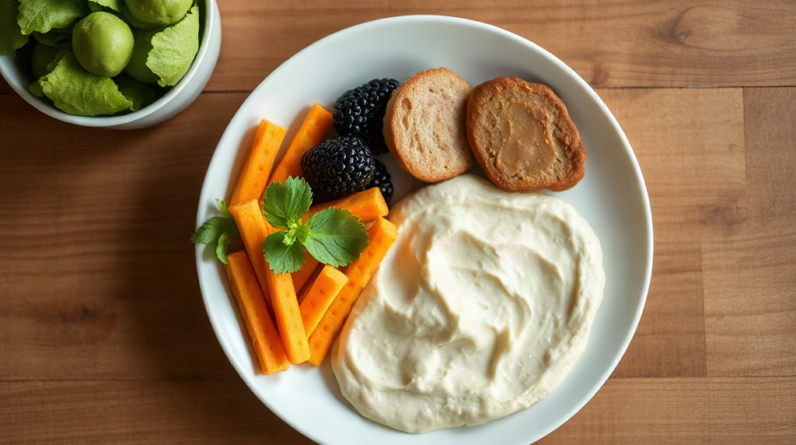
Eating too late at night may worsen reflux, disrupt sleep, raise overnight blood sugar, and make excess calorie intake more likely, especially when a large meal is eaten shortly before lying down. The effects depend on meal size, food composition, bedtime, medical conditions, and whether late eating is occasional or habitual. A practical approach is to finish substantial meals about two to three hours before bed while keeping necessary late snacks small and easy to digest. Persistent heartburn, nighttime coughing, unusual thirst, or sleep disruption warrants attention rather than simply imposing a stricter meal cutoff.
How Late Meals Affect Digestion and Reflux
Meal timing matters most when the digestive system must handle a substantial amount of food just as the body is preparing for sleep. Digestion does not stop at bedtime, but lying flat removes gravity’s help in keeping stomach contents down. A full stomach can also increase pressure below the esophagus. Together, these conditions may make heartburn, sour taste, belching, throat irritation, or nighttime coughing more likely in susceptible people.
The interval between dinner and bed is only part of the picture. Meal size and composition can matter as much as the clock. A large serving of pizza followed by ice cream presents a different digestive load from a small bowl of oatmeal or plain yogurt. High-fat meals tend to remain in the stomach longer, while chocolate, peppermint, alcohol, coffee, tomato-based dishes, and spicy foods trigger reflux symptoms in some people. Personal tolerance varies, so a universal list of forbidden evening foods is less useful than tracking repeatable reactions.
Consider two people who both eat at 9:30 p.m. One finishes a heavy restaurant meal and lies down at 10 p.m.; the other works an evening shift, eats a modest dinner, and remains upright until midnight. The first pattern creates a greater reflux burden even though both meals occur at the same hour. Clock time alone therefore cannot define whether a meal is too late. The more useful measure is the relationship among eating time, portion size, symptoms, and actual bedtime.
A common mistake is assuming that any discomfort after a late dinner proves poor digestion or food intolerance. Reflux may be responsible, but abdominal pain, nausea, swallowing difficulty, or repeated nighttime symptoms can have other causes. Note what was eaten, when the meal ended, when you lay down, and what symptoms appeared. That simple record can make the effects of eating too late at night easier to distinguish from reactions tied to a particular food or medical condition.
For routine prevention, leave roughly two to three hours between a substantial meal and lying down when your schedule allows. People with frequent reflux may need a longer interval or individualized medical guidance. An occasional late dinner is usually better managed by reducing the portion and remaining upright than by skipping needed food and going to bed intensely hungry.
Sleep, Blood Sugar, and Appetite Effects
Late eating can affect sleep through physical discomfort, stimulation, and the body’s overnight handling of nutrients. A large meal may cause fullness, reflux, or warmth that makes falling asleep uncomfortable. Alcohol may initially feel sedating but can fragment sleep later in the night. Caffeine from coffee, tea, cola, energy drinks, or chocolate may remain relevant even when it is consumed with an evening meal rather than immediately before bed.
Blood sugar responses also deserve context. The body follows daily rhythms that influence insulin sensitivity and glucose handling, and some people may process a carbohydrate-heavy meal less effectively late in their waking period than earlier. That does not mean a single late snack causes diabetes, nor does it justify removing carbohydrates from dinner. The practical concern is a recurring pattern of large nighttime portions, sugary drinks, refined snacks, and little activity, particularly for someone who already has prediabetes or diabetes.
Food choice changes the likely response. A large bowl of sweetened cereal and a sugary drink can deliver rapidly digested carbohydrates without much protein or fiber. A smaller snack combining plain yogurt with berries, or whole-grain toast with peanut butter, generally provides a more balanced mix. People managing blood sugar should follow their clinician’s instructions because medication timing, exercise, pregnancy, shift work, and the risk of overnight low blood sugar can all change what is appropriate.
Hunger can also disturb sleep, so an absolute ban on food after an arbitrary hour may backfire. Someone who eats dinner at 5 p.m. and sleeps at midnight may reasonably need a snack. The useful distinction is between planned nourishment and automatic grazing. Physical hunger tends to build gradually and can be satisfied by ordinary food; cue-driven eating often appears while watching television and favors highly palatable snacks even after a sufficient dinner.
Watch for patterns rather than judging one night. Signs that evening adjustments are helping include less heartburn, fewer awakenings, steadier morning hunger, and less urgency to snack after dinner. Continued insomnia despite comfortable digestion suggests that meal timing may not be the main cause. Stress, sleep schedule, pain, caffeine, medications, and sleep disorders can outweigh dietary timing, so food should not become the default explanation for every poor night.
When Nighttime Eating Becomes a Weight Concern
Nighttime eating influences body weight mainly when it raises total energy intake or becomes linked to less satisfying food choices. Calories do not automatically turn into more body fat because the clock passes a particular hour. Yet late eating often happens after normal meals are already complete, making chips, sweets, alcohol, and takeout additional intake rather than fuel replacing an earlier meal.
The setting contributes to the problem. Eating from a package while streaming a show makes portions difficult to notice, and fatigue can weaken deliberate decision-making. A person might consume several handfuls of crackers without feeling that they ate a meal. By contrast, placing a measured serving on a plate creates a clear stopping point. The difference is behavioral, not a special property of nighttime calories.
Meal timing can still matter indirectly. Skipping breakfast and rushing through a light lunch may produce intense evening hunger, leading to a very large dinner and continued snacking. Imposing a strict kitchen closure does not correct the daytime under-eating that created the pressure. A more effective response may be adding protein, fiber, and sufficient energy earlier: eggs with whole-grain toast at breakfast, beans or chicken with vegetables at lunch, and fruit with nuts in the afternoon are practical examples.
Weight goals also need to account for work and training schedules. A nurse finishing a late shift, a parent feeding a baby, or an athlete returning from evening practice may need food near bedtime. In these situations, a planned meal containing protein, carbohydrate, and produce is different from unstructured grazing. A turkey sandwich with vegetable soup, tofu with rice and cooked vegetables, or yogurt with oats and fruit can meet nutritional needs without requiring an oversized, high-fat meal.
The weak assumption to avoid is that moving the same food to an earlier hour guarantees weight loss. Timing changes may help by reducing opportunities to eat and improving appetite structure, but portions, beverage calories, food quality, activity, medications, and sleep still matter. When evaluating the effects of eating too late at night, compare several weeks of behavior rather than daily scale movement. A useful pattern should reduce unplanned intake without producing excessive hunger, irritability, or rebound eating.
Good Health Solution is Easier Than Most People Think! Take a Look for Yourself!
A Practical Evening Eating Plan
A workable plan uses bedtime as the reference point rather than enforcing the same cutoff for everyone. Start by identifying when you normally lie down, then aim to finish a substantial dinner about two to three hours beforehand. Treat that interval as an experiment, not a medical rule. Reflux, diabetes management, pregnancy, medications, shift work, athletic recovery, and a history of disordered eating may require different decisions.
Build dinner to be satisfying enough that routine grazing is less appealing. Include a protein source such as fish, eggs, poultry, tofu, lentils, or Greek yogurt; add fiber-rich carbohydrate or produce; and choose an amount of fat that you tolerate comfortably. For example, baked salmon, potatoes, and green beans will usually provide more lasting structure than a small salad that leaves you searching for snacks an hour later. At the other extreme, an enormous fried meal may be filling but uncomfortable near bedtime.
Use this compact evening check before deciding what to change:
- Check the gap: Record when dinner ends and when you lie down.
- Check the trigger: Separate physical hunger from boredom, habit, thirst, stress, or alcohol-related snacking.
- Check the meal: Look for missing protein, fiber, or adequate portions earlier in the day.
- Choose deliberately: If hungry, serve one modest snack rather than eating from a container.
- Review symptoms: Track reflux, sleep interruption, morning appetite, and repeated nighttime hunger for one to two weeks.
A suitable late snack should match the reason for eating. If dinner was early and hunger is genuine, try a banana with a spoonful of peanut butter, cottage cheese with fruit, oatmeal with milk, or whole-grain crackers with hummus. Someone prone to reflux may tolerate a lower-fat, non-spicy option better than chocolate, fried food, citrus, or a large volume of liquid. Portion size still matters because even nutritious food can create uncomfortable fullness.
Failure signs include becoming preoccupied with the cutoff, waking ravenously, compensating by overeating at dinner, or ignoring symptoms because a food is considered healthy. Improvement should feel sustainable: fewer unplanned snacks, comfortable sleep, and normal hunger the next morning. If nighttime eating feels uncontrollable, occurs during partial awareness, or is tied to shame and restriction, seek help from a qualified healthcare professional rather than tightening food rules. The goal is a dependable pattern, not perfect compliance with an arbitrary hour.
Frequently Asked Questions
How late is too late to eat before bed?
For a substantial meal, leaving about two to three hours before lying down is a useful starting point. Your ideal interval may be longer if you experience reflux or shorter if your schedule requires a modest, well-tolerated snack.
Does eating at night automatically cause weight gain?
No. Weight change is influenced by total intake and other long-term factors, but nighttime eating can add extra calories when it takes the form of unplanned snacks after adequate meals.
What should I eat if I am genuinely hungry before bed?
Choose a modest snack with protein, fiber, or both, such as plain yogurt with fruit, oatmeal with milk, or whole-grain toast with nut butter. Avoid an oversized portion that leaves you uncomfortably full.
Can late meals cause acid reflux?
They may trigger or worsen reflux, particularly when the meal is large, high in fat, or followed quickly by lying down. Repeated heartburn, swallowing difficulty, or nighttime coughing deserves medical attention.
Is late-night eating different for shift workers?
Yes. A shift worker's eating schedule may need to follow waking and sleeping periods rather than conventional clock hours. Planned, balanced portions are generally more useful than skipping food solely because it is nighttime.
Further Reading
Authoritative Sources
- Acid Reflux and GERD in Adults
niddk.nih.govThe National Institute of Diabetes and Digestive and Kidney Diseases explains reflux symptoms, contributing factors, and when medical evaluation may be appropriate
- Sleep Deprivation and Deficiency
nhlbi.nih.govThe National Heart, Lung, and Blood Institute provides context for recognizing sleep problems that may extend beyond evening meal timing
- Healthy Eating for Diabetes
cdc.govThe CDC outlines practical meal-composition principles relevant to people considering evening food choices while managing blood sugar
- What Is MyPlate?
myplate.govUSDA MyPlate offers a straightforward framework for composing balanced meals instead of focusing on timing alone
Conclusion
Late eating is most likely to cause trouble when a large or rich meal is followed quickly by bed, when evening snacks add substantial energy beyond daily needs, or when the pattern aggravates reflux, sleep, or blood sugar management. Use bedtime—not an arbitrary clock hour—as the starting point, and examine portions, food composition, daytime nourishment, and symptoms together. Try a two-to-three-hour buffer after dinner, keep necessary snacks modest, and review the results over several nights. If the change creates intense hunger or rebound eating, strengthen earlier meals instead of imposing tighter restrictions. Seek professional guidance for persistent heartburn, swallowing problems, repeated nighttime waking, diabetes-related concerns, or eating that feels uncontrollable. A useful schedule should improve comfort and consistency without turning normal hunger into a rule violation.
 Good Health Solution is Easier Than Most People Think! Take a Look for Yourself!