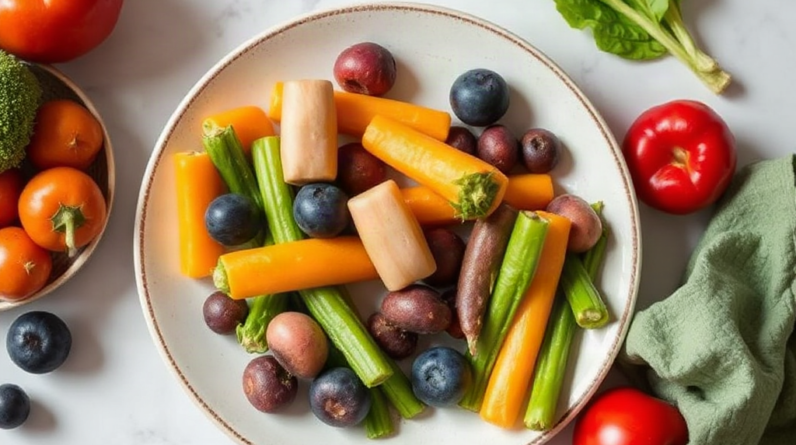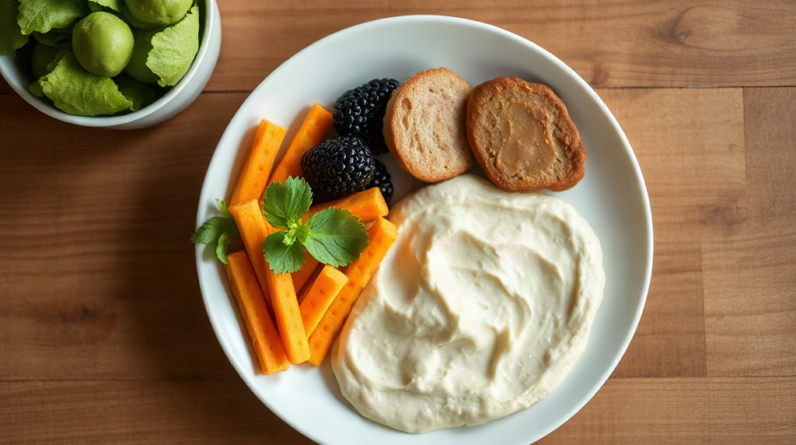
If you find healthy eating boring, keep the nutritional foundation but change the flavor, texture, cooking method, and meal format instead of abandoning it. Use acids, herbs, spices, sauces, crunchy toppings, and contrasting temperatures to make familiar ingredients more satisfying. Rotate a small number of proteins, vegetables, grains, and seasonings rather than forcing an entirely new menu every day. Check whether excessive restriction, repetitive meal prep, under-seasoning, or too little fat is causing the boredom. A seven-day flavor reset can reveal which combinations you genuinely enjoy while preserving practical goals such as adequate protein, fiber, produce, and portion balance.
Identify What Makes Your Current Meals Boring
Food boredom usually comes from repetition at the sensory level, not from a shortage of nutritious ingredients. Two lunches may contain the same chicken, grain, and vegetables yet feel completely different if one is a warm curry bowl and the other is a chilled salad with lemon dressing and toasted seeds. Before replacing your routine, identify whether the missing element is flavor, texture, variety, convenience, or satisfaction.
Under-seasoning is a frequent cause. A plate may have protein, fiber, and colorful produce but still taste flat when it lacks salt, acidity, aroma, or richness. Salt makes existing flavors easier to perceive, while lemon juice, vinegar, pickled onions, herbs, garlic, ginger, and spices add contrast. Fat from olive oil, avocado, nuts, seeds, yogurt, or tahini can carry flavor and make lean ingredients less dry. People who remove nearly every source of salt, fat, and carbohydrate in pursuit of a stricter diet often create meals they cannot realistically enjoy.
Repetition can also hide inside apparently varied menus. Eating chicken with broccoli on Monday and chicken with green beans on Tuesday changes the vegetable, but the overall experience remains similar if both are steamed and served without a distinctive sauce. The opposite problem is attempting so much variety that shopping and cooking become exhausting. A practical routine sits between those extremes: repeat dependable base ingredients while changing one or two sensory features.
Use your next three meals as a quick diagnostic. After eating, note which statement fits best:
- Flat: The meal needs acidity, seasoning, herbs, or a flavorful condiment.
- Dry: It needs moisture from a sauce, broth, salsa, yogurt, or an appropriate amount of fat.
- Monotonous: Every component has a similar soft texture or temperature.
- Unsatisfying: The portion may be too small or lack protein, carbohydrate, fat, or fiber.
- Overfamiliar: The same recipe or flavor profile appears too often.
This distinction matters because novelty will not fix an inadequate meal, and larger portions will not fix bland seasoning. If persistent loss of appetite, nausea, swallowing difficulty, unexplained weight change, or anxiety around food is involved, boredom may not be the full explanation. A qualified clinician or registered dietitian can assess concerns that extend beyond ordinary menu fatigue.
Build Flavor Without Rebuilding Your Entire Diet
A small collection of flavor combinations gives familiar staples distinct identities without requiring separate recipes for every meal. Think in terms of a base plus a flavor direction. Brown rice, roasted vegetables, and beans can take on a Mediterranean profile with lemon, parsley, oregano, and yogurt; a smoky profile with cumin, paprika, lime, and salsa; or a sesame-ginger profile with rice vinegar, scallions, and a modest amount of soy sauce.
Condiments are useful because they concentrate acidity, aroma, sweetness, heat, or savory flavor. Pesto, harissa, mustard, chimichurri, salsa, curry paste, hot sauce, hummus, and yogurt-based dressings can change a meal in seconds. Their nutritional profiles differ, so selection depends on personal needs. Someone limiting sodium may prefer herbs, citrus, salt-free spice blends, or homemade sauces, while a person who needs more energy may benefit from tahini, nut sauce, olive-oil dressing, or avocado. Labels can help people compare sodium, added sugar, and serving sizes without treating any single number as proof that a condiment is inherently good or bad.
Keep two or three flavor families available each week rather than buying a crowded shelf of products that expire unused. For example, prepare a lemon-herb yogurt, keep salsa on hand, and mix a simple peanut-lime sauce. The same roasted tofu can then become part of a grain bowl, taco, or noodle dish. This approach is usually more manageable than preparing seven unrelated dinners, especially when time, kitchen space, or grocery cost is limited.
A common mistake is adding flavor only at the table. Seasoning in stages often produces a more integrated result: add spices before roasting, include aromatics while cooking, and finish with acid or fresh herbs. Toasting cumin briefly in a pan, roasting broccoli until its edges brown, or rubbing salmon with mustard before baking changes flavor through cooking rather than relying exclusively on a final sauce.
Flavor additions still need to fit the person eating them. Spicy sauces may be unpleasant for someone with reflux symptoms, and certain ingredients may conflict with allergies, intolerances, or medically prescribed dietary limits. The point of what to do if you find healthy eating boring is not to disguise every ingredient with intense seasoning. It is to find repeatable combinations that make balanced meals appealing enough to choose regularly.
Use Texture, Temperature, and Cooking Methods
Texture often creates more interest than adding another ingredient. A bowl containing soft grains, steamed vegetables, and tender fish can feel one-dimensional even when it is well seasoned. Adding shredded cabbage, toasted pumpkin seeds, crisp apple, roasted chickpeas, or a small amount of crumbled cheese introduces contrast. The topping does not need to dominate the meal; a spoonful may be enough to change each bite.
Cooking method affects both flavor and structure. Steaming retains moisture and suits delicate vegetables, but roasting encourages browning and produces crisp edges. Grilling adds char, sautéing cooks quickly while preserving some bite, and braising makes tougher ingredients tender in a seasoned liquid. Frozen vegetables can be convenient and nutritious, but microwaving them until very soft may reinforce the impression that wholesome food is dull. Roasting frozen cauliflower at high heat or adding frozen peas near the end of a curry creates a different result without requiring fresh produce.
Temperature contrast is another underused tool. Warm lentils taste different when served over cool greens with chilled yogurt and pickled cucumber. Hot oatmeal gains contrast from cold berries and crunchy walnuts. A room-temperature wrap may be more appealing than the same ingredients packed into a reheated container. Food-safety rules still apply: refrigerate perishable ingredients promptly and keep packed lunches adequately chilled rather than using temperature variation as a reason to leave food out.
Good Health Solution is Easier Than Most People Think! Take a Look for Yourself!
Meal format can also interrupt routine. Ingredients normally served on a plate can become a soup, wrap, stuffed baked potato, composed salad, skewer, or snack-style platter. A platter of hummus, whole-grain pita, cucumber, tomatoes, olives, and a boiled egg may feel less restrictive than a conventional entrée even though it uses recognizable components. Likewise, leftover roasted chicken and vegetables can become a quesadilla or soup instead of returning as the identical dinner.
The mistake to avoid is assuming that every preparation marketed as healthy must be raw, steamed, or plain. Roasting vegetables with oil, serving fruit with yogurt, or adding cheese to a bean dish can make nutritious ingredients easier to enjoy. Portions and individual dietary needs still matter, but pleasure and nutrition are not opposing goals. If a modest amount of sauce or a crisp topping turns an untouched vegetable into a regularly eaten one, that tradeoff may be more useful than pursuing a theoretically perfect plate that is repeatedly abandoned.
Follow a 7-Day Flavor Reset
A seven-day reset works best as a controlled experiment, not a restrictive eating plan. Keep your usual core ingredients and change one deliberate feature each day. This makes it easier to identify what improves enjoyment without creating an expensive shopping list or leaving you with several unfamiliar meals you do not want to repeat.
- Day 1—Add acid: Finish a familiar lunch with lemon, lime, vinegar, salsa, or pickled vegetables.
- Day 2—Change the cooking method: Roast, grill, sauté, or braise an ingredient you normally steam or microwave.
- Day 3—Create texture contrast: Add toasted seeds, crisp vegetables, nuts, or roasted chickpeas.
- Day 4—Choose a flavor family: Use a coordinated combination such as tomato, basil, garlic, and olive oil rather than unrelated seasonings.
- Day 5—Change the format: Turn leftovers into a wrap, bowl, soup, stuffed potato, or snack plate.
- Day 6—Revisit a favorite: Adapt a meal you already love instead of copying a stereotypical diet recipe.
- Day 7—Repeat the winner: Make the most satisfying variation again and adjust one detail.
Day 6 is especially useful because familiar dishes reveal where unnecessary restriction has taken over. If you enjoy tacos, build them with beans, fish, chicken, or tofu; cabbage or lettuce; salsa; avocado; and corn tortillas rather than replacing the entire idea with a bowl of undressed greens. If pasta is a favorite, pair an appropriate portion with vegetables, beans, seafood, or lean meat and a sauce you enjoy. Healthy eating does not require erasing cultural foods or comfort foods; it often means considering the composition and frequency of the whole meal.
Track only three observations: enjoyment, fullness, and effort. A meal that tastes excellent but takes two hours to prepare may be a weekend option rather than a weekday standard. A fast lunch that leaves you hungry within an hour may need more protein, fiber, fat, or total food. A successful reset produces several combinations you want to repeat and can afford to make—not a flawless week.
If nothing improves, inspect the rules shaping your choices. Eliminating broad categories without a medical reason can shrink variety and make eating socially difficult. Relying on packaged products labeled as healthy may also produce repetitive flavors while raising cost. For more focused ideas on what to do if you find healthy eating boring, prioritize meals that meet your needs and retain recognizable pleasure instead of judging them by a rigid label.
Frequently Asked Questions
Can healthy food taste good without adding lots of salt?
Yes. Build flavor with citrus, vinegar, garlic, ginger, fresh herbs, toasted spices, browned ingredients, and salt-free seasoning blends. If sodium is medically restricted, ask a clinician or dietitian how packaged sauces and salt substitutes fit your needs.
How can I add variety without increasing my grocery bill?
Repeat affordable staples such as oats, beans, eggs, frozen vegetables, and grains while rotating seasonings, sauces, cooking methods, and formats. Buy one new condiment or spice at a time and use it across several meals.
Is it unhealthy to eat the same breakfast every day?
Not necessarily. A repeat breakfast can be practical if it contributes useful nutrients and fits your overall eating pattern. Rotate fruit, nuts, seeds, or other toppings when you want more variety.
What if I dislike most vegetables?
Test different forms before rejecting an entire vegetable. Roasted carrots, grated raw carrots, and carrots blended into soup have different textures and flavors. Begin with small portions alongside familiar foods rather than forcing a large serving.
Should I use sauces if I am trying to eat well?
Sauces can make balanced meals more enjoyable. Choose portions and ingredients that suit your goals, allergies, and medical needs, and compare labels when sodium or added sugar is a concern.
Conclusion
Boredom is useful feedback about how a meal tastes, feels, and fits daily life. Diagnose whether the problem is flat seasoning, repetitive texture, inadequate satisfaction, or an overly rigid set of rules before replacing your entire routine. Then test one change at a time: finish with acid, introduce crunch, use a different cooking method, or transform leftovers into a new format.
Keep the combinations that score well for enjoyment, fullness, cost, and preparation effort. A dependable rotation of several flavorful meals is more practical than chasing constant novelty or forcing yourself through plain dishes. Start with the seven-day reset using ingredients already in your kitchen, record what genuinely improves the experience, and turn the best results into your regular weekday options.
 Good Health Solution is Easier Than Most People Think! Take a Look for Yourself!