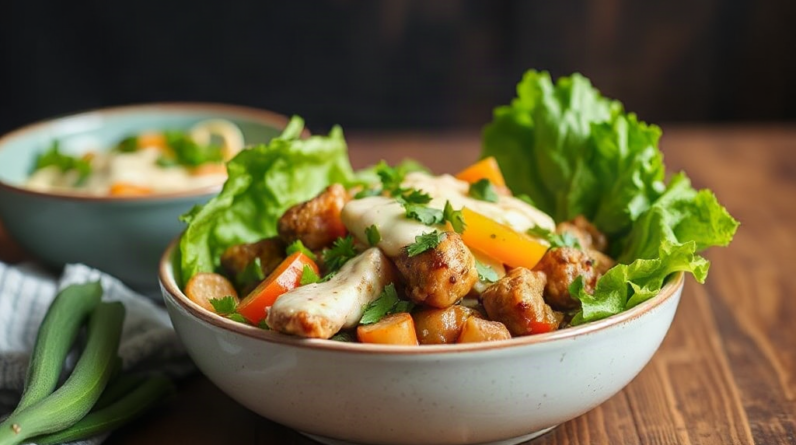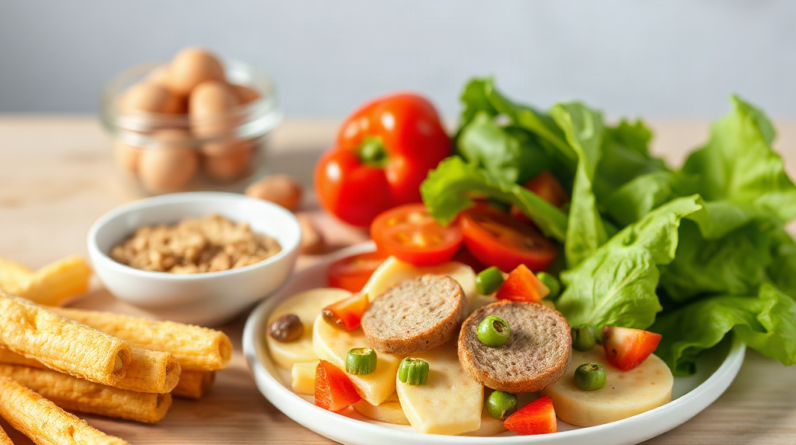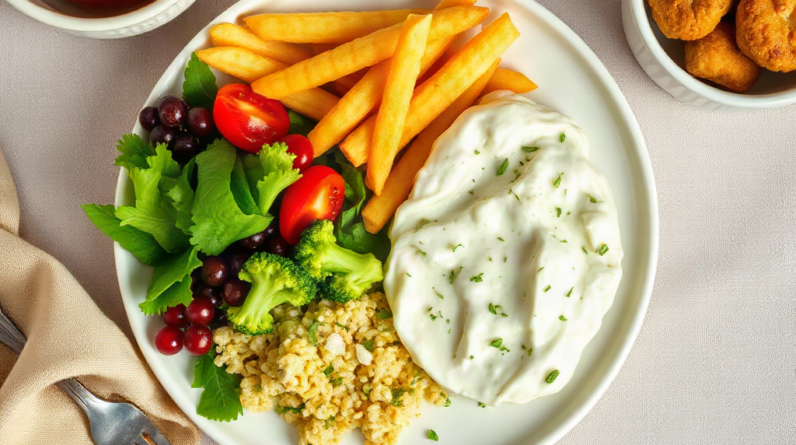
If you struggle with portion control, reset meal sizes by serving food once, using a smaller plate, including protein and fiber, eating without screens, and pausing before taking more. Oversized packages, skipped meals, distracted eating, and eating directly from containers can weaken awareness of fullness. Begin by changing one frequently oversized meal rather than measuring everything you consume. A useful portion should leave you comfortably satisfied, not uncomfortably full or preoccupied with hunger soon afterward. Persistent loss of control, secretive eating, compensatory restriction, or distress around portions deserves support from a registered dietitian or qualified healthcare professional.
Identify What Is Driving Oversized Portions
Portion difficulty often begins before the first bite. Long gaps between meals, food packages designed for multiple servings, large dinnerware, stress, alcohol, and screen-based distraction can all influence how much ends up on the plate and how quickly it is eaten. Treating every oversized portion as a failure of discipline misses the practical cues that make stopping harder.
Start by observing one week of meals without attempting to make every portion smaller. Notice where the problem occurs: Is dinner unusually large after a light lunch? Do chips disappear while you work? Are restaurant meals difficult because you arrive intensely hungry? Does a second serving happen automatically, before your body has had time to register the first? The pattern determines the useful response. A planned afternoon snack may address evening hunger, while putting snacks in a bowl may address package-driven eating.
Physical hunger and appetite are related but not identical. Hunger tends to build gradually and can be satisfied by several foods. Appetite may be triggered suddenly by smell, visibility, boredom, stress, or the expectation of dessert despite physical fullness. Both experiences are real, but they call for different decisions. Genuine hunger usually warrants enough food; cue-driven appetite may respond to a pause, a change of setting, or a deliberately chosen serving.
A common mistake is compensating for a large meal by skipping the next one. That may create a restriction-and-rebound cycle in which intense hunger makes another oversized meal more likely. A steadier response is to return to the next normally timed meal and adjust the conditions that contributed to the previous episode. Readers considering what to do if you struggle with portion control should prioritize repeatable meal timing over punishment.
Use a simple check before changing a portion: rate your hunger, identify the container or plate size, note whether you are distracted, and ask how long it has been since you ate. Signs that observation is working include recognizing predictable trouble spots and making a specific adjustment before eating. If the record instead creates guilt, obsessive calculations, or pressure to undereat, stop tracking and seek individualized nutrition support.
Use a 7-Step Meal-Size Reset
A meal-size reset works best when it changes the eating environment without demanding exact calorie counting. The aim is not to find one universally correct serving. Energy needs vary with body size, activity, age, health conditions, appetite, and the composition of the meal. The practical target is a starting amount that can be adjusted after attentive eating.
- Choose one meal. Work on the meal that is most often uncomfortable or unplanned rather than controlling the entire day.
- Serve food in the kitchen. Keeping pans and packages off the table adds a useful pause before seconds.
- Use ordinary-sized dinnerware. A modest plate or bowl makes the serving easier to see without forcing an artificially tiny amount.
- Include several food groups. Combine a protein source, vegetables or fruit, a fiber-rich carbohydrate, and some fat when appropriate.
- Sit down and remove screens. Attention makes taste, pace, and emerging fullness easier to notice.
- Eat the first several bites slowly. Put utensils down periodically and allow the meal to unfold rather than racing toward the end.
- Pause before more. Wait several minutes, then decide whether you are physically hungry, still enjoying the taste, or simply following habit.
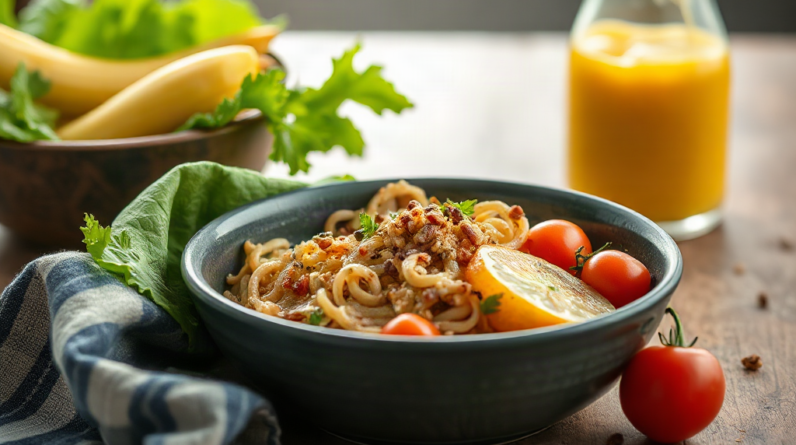
Consider a pasta dinner. A restrictive approach might reduce the pasta dramatically and leave the person searching for snacks an hour later. A more balanced reset could pair a moderate serving of pasta with tomato sauce, beans or chicken, roasted vegetables, and a small amount of olive oil or cheese. The total plate may still look generous, but its mix of protein, fiber, water-rich produce, carbohydrate, and fat is more likely to feel like a complete meal.
Smaller plates can help with visual proportion, but they are not a rule and should not become a way to disguise inadequate intake. Someone with high energy needs may reasonably need a larger serving or seconds. Conversely, measuring every ingredient may offer short-term awareness but can be burdensome and inappropriate for anyone prone to obsessive food rules. Household measures—such as a bowl, ladle, or familiar plate—often provide enough consistency without turning meals into a calculation.
Evaluate the reset by what happens afterward. A workable starting portion produces comfortable satisfaction, steady enough energy, and the freedom to eat more when hunger remains. Repeated dizziness, fatigue, persistent hunger, irritability, or fixation on the next meal suggests the portions may be too small or the meals insufficiently balanced.
Build Meals That Keep Portions Satisfying
Satisfaction depends on meal composition as well as volume. Reducing the amount on a plate without replacing missing protein, fiber, flavor, or energy can make portion control feel like endurance. Meals are generally easier to stop when they offer enough substance and sensory satisfaction rather than relying on a large quantity of one refined or highly snackable food.
Protein-rich choices include eggs, fish, poultry, Greek yogurt, cottage cheese, tofu, tempeh, lentils, and beans. Fiber can come from vegetables, fruit, oats, brown rice, whole-grain bread, beans, and other minimally processed plant foods. Fat from nuts, seeds, avocado, olive oil, dairy, or fish contributes flavor and energy. No single nutrient guarantees fullness, and individual digestion and preferences differ, but combining these elements usually creates a more complete eating experience than eating crackers, sweets, or plain salad alone.
For example, a lunch consisting only of a small green salad may appear portion-conscious but leave someone hungry during the afternoon. Adding chickpeas or chicken, whole-grain bread, vegetables, and a flavorful dressing changes both staying power and enjoyment. The alternative is not necessarily a larger calorie target; it is a meal structured to avoid the sharp contrast between rigid restraint at lunch and uncontrolled snacking later.
Whole foods often require more chewing and contain more water or fiber than highly processed snack products. That can slow eating and provide more physical volume. Processed foods are not inherently forbidden, however. A measured serving of cookies eaten at the table may be more satisfying and manageable than repeatedly avoiding them and eventually eating from the package while distracted. The useful distinction is between choosing a portion intentionally and letting packaging or restriction make the decision.
Use a plate pattern as a flexible visual reference rather than a prescription. Vegetables or fruit can occupy a substantial area, with room for protein and a grain, starchy vegetable, or other carbohydrate. Add sauce or fat for flavor where it fits. Mixed dishes such as chili, curry, sandwiches, and casseroles will not divide neatly, so judge them by ingredients and post-meal satisfaction instead of forcing every meal into sections.
Good Health Solution is Easier Than Most People Think! Take a Look for Yourself!
If you are testing what to do if you struggle with portion control, change composition before continually shrinking quantity. A meal is likely working when you can move on afterward without uncomfortable fullness or urgent food seeking. Frequent bloating, reflux, intense hunger, or unpredictable appetite may require adjustments and, when persistent, evaluation by a healthcare professional.
Handle Restaurants, Snacks, and Second Servings
Portion cues become less reliable when someone else controls the serving vessel. Restaurant entrées, delivery containers, family-style dishes, and large snack bags can make an unusually large amount look standard. The strongest response is to create a decision point before eating rather than trying to stop only after fullness becomes uncomfortable.
At a restaurant, avoid arriving ravenous if possible. A normal breakfast and lunch—or a small snack such as yogurt and fruit when dinner is late—can make menu decisions less urgent. Once the meal arrives, identify which parts you most want to eat. You can share an entrée, order a starter with a side, or move part of a large serving to a takeout container. None of these options is automatically better; choose according to hunger, cost, food safety, and whether leftovers will be practical.
Pre-dividing every restaurant meal can backfire when the selected amount is too small or when it turns a social occasion into constant monitoring. An alternative is to eat slowly, pause midway, and assess comfort. Richness also matters: creamy sauces, fried components, alcohol, and desserts may make a meal feel heavier before its visual volume seems large. Portion awareness should account for bodily comfort, not simply the fraction left on the plate.
For snacks, never rely on willpower while holding a multi-serving package. Put an amount in a bowl, close the package, and sit somewhere other than the pantry or kitchen counter. If hunger is substantial, turn the snack into a mini-meal by pairing foods—for example, an apple with peanut butter, crackers with tuna, or yogurt with berries and nuts. If you only want a specific taste, serve that food directly rather than eating several substitutes and then the desired item.
Second servings are not evidence that the first portion failed. After finishing, pause and check whether hunger remains, whether the meal lacked a satisfying component, or whether more food is simply available. If you are still hungry, take more without treating it as a mistake. If you feel physically satisfied but want continued stimulation, tea, conversation, clearing the table, or saving dessert for later can create a natural endpoint.
Progress is visible when oversized eating becomes less automatic, discomfort occurs less often, and portions can change with genuine hunger. The approach is failing if it produces fear of restaurants, rigid avoidance, secretive eating, binge episodes, purging, or repeated attempts to compensate. Those signs extend beyond ordinary portion practice. A registered dietitian, primary-care clinician, or eating-disorder specialist can help assess the pattern without imposing a one-size-fits-all serving plan.
Frequently Asked Questions
Should I weigh every portion?
Usually not. Temporary measuring may clarify package servings, but familiar plates and bowls are often more sustainable. Avoid weighing food if it increases anxiety, rigidity, or obsessive tracking.
How long should I wait before having seconds?
Pause for several minutes and check your physical comfort rather than following an exact timer. If hunger remains after the pause, an additional serving is reasonable.
Can smaller plates fix portion control?
They may make servings easier to see, but they cannot correct skipped meals, inadequate nutrition, emotional eating, or persistent loss of control. Plate size is one environmental tool, not a complete solution.
What should I do after eating too much?
Resume normal eating at the next appropriate meal, hydrate according to thirst, and avoid punitive restriction. Review what contributed—such as intense hunger or distraction—and adjust that condition next time.
When should I seek professional help?
Seek qualified support if eating involves frequent loss of control, secrecy, distress, purging, prolonged restriction, major weight changes, or interference with daily life. Medical conditions and medications can also affect appetite.
Conclusion
Useful portion control is less about enforcing the smallest possible serving and more about making hunger, meal composition, and environmental cues easier to read. Begin with the meal or setting that causes the most discomfort. Serve it once, eat without a screen, include protein and fiber-rich foods, and pause before deciding on more. Review the result by checking comfort, energy, and later hunger rather than judging the plate alone.
Keep normal meal timing after an oversized meal, and adjust only the condition that contributed to it. If a method creates persistent hunger or food anxiety, it is too restrictive to be useful. Repeated loss of control, compensatory behavior, or distress calls for individualized care rather than stricter portion rules.
 Good Health Solution is Easier Than Most People Think! Take a Look for Yourself!