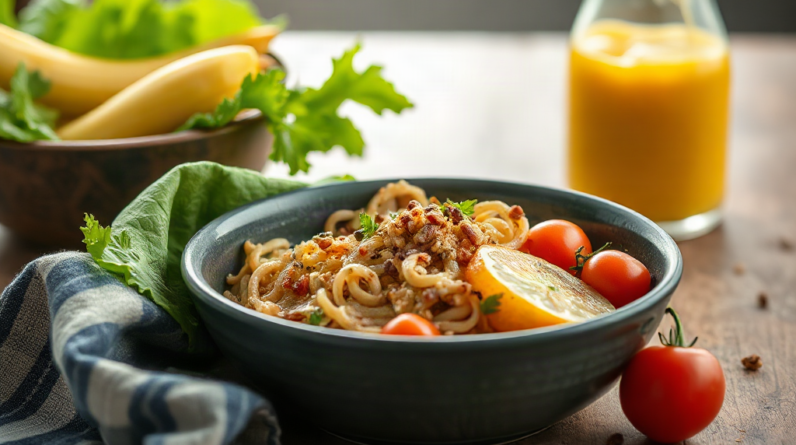
If you’re bored with your meals, change one sensory element at a time—such as seasoning, texture, cooking method, temperature, or sauce—rather than replacing your entire routine. Keep convenient staple foods, but use them in unfamiliar combinations: roast vegetables instead of steaming them, turn leftover grains into a crisp skillet meal, or add an acidic dressing to rich dishes. A rotating shortlist of proteins, produce, grains, and condiments provides variety without requiring a new recipe every night. Persistent loss of interest accompanied by low appetite, nausea, unintended weight change, or low mood deserves attention beyond menu experimentation.
Identify the Kind of Meal Boredom You Have
Meal boredom usually comes from repetition in flavor, texture, format, or decision-making—not necessarily from eating the same ingredient. Chicken can feel entirely different when served as a warm rice bowl, folded into a crisp tortilla, or chilled with vegetables and a sharp dressing. Conversely, a week of unrelated recipes may still feel repetitive if every dish is soft, mildly seasoned, and served hot from the same pan.
Notice which part of the experience has become predictable. If every dinner tastes flat, seasoning and acidity may be the issue. If meals taste acceptable but feel monotonous, look at texture: creamy pasta, mashed potatoes, soup, and scrambled eggs are different foods with a similar soft eating experience. If cooking itself feels burdensome, searching for elaborate recipes may make the problem worse. The useful change is then a simpler decision system, not greater culinary ambition.
Review the last five or six meals and mark the repeated features. Check the main protein, dominant color, cooking method, sauce, texture, temperature, and serving format. Someone who repeatedly eats roasted chicken, potatoes, and broccoli could keep all three ingredients while changing the experience: slice the chicken into a wrap, crush and crisp the potatoes, and turn the broccoli into a crunchy slaw. That is often more realistic than buying a cart of unfamiliar groceries.
Distinguish boredom from hunger mismatch as well. A small salad may seem unappealing at the end of a demanding day because it lacks the substance you want, while a very rich meal may be uninviting in hot weather. Portions and meal composition matter alongside novelty. A practical plate often includes a protein source, a carbohydrate or other satisfying base, produce, and enough fat or sauce to carry flavor, adjusted for appetite and dietary needs.
The common mistake is assuming novelty requires constant recipe hunting. New recipes add shopping, preparation, and possible waste. Before doing that, identify the repeated sensory feature and change it deliberately. Readers considering what to do if you’re bored with your meals will usually get more value from diagnosing the dull part than from saving another long list of dishes.
Change Flavor and Texture Without Rebuilding Dinner
A targeted flavor change gives familiar ingredients a different identity with little added work. Salt affects basic seasoning, but variety often comes from balancing acidity, richness, aroma, heat, and savory depth. Lemon juice, vinegar, yogurt-based sauces, toasted spices, fresh herbs, mustard, chili crisp, pesto, salsa, and tahini can shift a meal more dramatically than changing its main ingredient.
Apply additions according to what the dish lacks. Acid can brighten beans, roasted vegetables, fish, grain bowls, and rich sauces. Toasted nuts or seeds add contrast to soft foods. Fresh herbs contribute aroma near the end of cooking, while dried spices generally benefit from brief contact with heat and oil. Condiments may contain substantial sodium or added sugar, so taste before adding more salt and compare labels when those factors matter to you.
Texture deserves equal attention because contrast keeps each bite from feeling uniform. Add crisp cucumber to a soft lentil bowl, toasted breadcrumbs to pasta, cabbage to a taco, or roasted chickpeas to a salad. Changing the cooking method works too: broccoli that feels routine when steamed may be more appealing when roasted until browned, quickly stir-fried, or finely chopped into slaw. Raw and lightly cooked vegetables are not interchangeable for everyone, however; digestive comfort, dental needs, and personal tolerance should guide the choice.
Temperature can create another useful contrast. Leftover roasted vegetables may become a room-temperature salad with a tart dressing, while cold cooked grains can be reheated in a skillet until some edges become crisp. Food safety still applies: refrigerate perishable leftovers promptly, reheat them appropriately, and discard food that has been stored unsafely rather than relying on smell alone.
Try a one-change test before modifying everything. Keep tonight’s familiar base and choose one move:
- Brighten: add citrus, vinegar, pickled onions, or a tomato salsa.
- Deepen: use browned mushrooms, toasted spices, miso, or a savory sauce suited to the dish.
- Add contrast: include seeds, slaw, toasted crumbs, or crisp vegetables.
- Change the format: turn separate components into a bowl, wrap, soup, or stuffed vegetable.
Changing every element at once makes it hard to learn what worked and can turn an ordinary dinner into an expensive experiment. A successful adjustment should make the meal more appealing without creating preparation you resent. Keep the additions that earn a repeat appearance and drop those that merely make the recipe more complicated.
Build a Flexible Ingredient Rotation
A rotation creates controlled variety by changing a few components while preserving a dependable structure. It sits between rigid meal repetition and planning seven unrelated recipes. The goal is not to avoid repeats; it is to prevent every repeated ingredient from appearing in exactly the same form.
Start with categories you genuinely eat: two or three proteins, several vegetables, two meal bases, and a small group of flavor-makers. Proteins might include eggs, beans, chicken, fish, tofu, lentils, or yogurt, depending on preferences and dietary requirements. Bases could be rice, potatoes, pasta, bread, tortillas, or another grain. Flavor-makers should be distinct enough to matter, such as a lemon-herb dressing, tomato salsa, curry paste, or sesame-ginger sauce.
The same set can produce materially different dinners. Rice, tofu, cabbage, and carrots can become a warm stir-fry with sesame and ginger, a chilled bowl with a lime dressing, or a soup with broth and greens. Beans, tomatoes, greens, and bread can appear as tomato-bean stew one night and crisp toast topped with smashed beans and dressed greens another. Using overlapping ingredients controls cost and waste while format, seasoning, and cooking method provide the novelty.
Plan around perishability rather than assigning every item to one exact recipe. Delicate herbs and leafy greens should appear early in the week; cabbage, carrots, frozen vegetables, canned beans, eggs, and shelf-stable grains can cover later meals. Frozen produce is especially useful when enthusiasm is unpredictable because you can use only what you need. Whole foods and convenience foods do not need to be treated as opposing camps: bagged slaw, canned lentils, frozen brown rice, or a prepared sauce can make a balanced meal more feasible. Check ingredients and nutrition labels if sodium, allergens, added sugar, or other dietary constraints are relevant.
A weak rotation fails when it contains aspirational ingredients rather than foods the household reliably prepares. Buying several unfamiliar vegetables at once creates pressure and possible waste. Add one new item to a familiar meal instead—for example, serve roasted fennel beside a known protein rather than building the entire dinner around fennel. Keep a brief note of combinations worth repeating; memory tends to preserve failures more vividly than easy meals that worked.
For a practical approach to what to do if you’re bored with your meals, aim for enough overlap to simplify shopping and enough contrast to make consecutive dinners distinct. That balance matters more than maximizing the number of recipes.
Good Health Solution is Easier Than Most People Think! Take a Look for Yourself!
Use Constraints to Make New Meals Manageable
Useful constraints reduce meal decisions while leaving room for creativity. An open-ended question—“What should I make?”—requires you to evaluate nearly every possible dish. A narrower prompt such as “What can I make in 20 minutes with the vegetables that need using?” turns novelty into a solvable household task.
Choose one constraint that reflects the actual pressure. On busy evenings, limit preparation time or cookware. Near the end of the grocery cycle, prioritize ingredients that will spoil first. When the budget is tight, change inexpensive elements such as seasoning, sauce, texture, and presentation rather than purchasing a different protein for every meal. If multiple people are eating, use a neutral base with optional toppings instead of cooking separate dinners.
A build-your-own baked potato is a practical example. The shared base is inexpensive and familiar, while beans, leftover vegetables, shredded cheese, yogurt, herbs, salsa, or another suitable topping let diners adjust flavor and portion. A grain bowl can work the same way. This approach offers more flexibility than a fixed casserole, but it creates extra containers and small preparation tasks. It is worthwhile only when the toppings are already available or can be reused.
Use a short sequence when dinner feels stuck:
- Choose the ingredient that needs to be used first.
- Select a format: bowl, wrap, skillet, soup, salad, sandwich, or sheet-pan meal.
- Add one contrasting texture and one distinct flavor element.
- Check whether the meal has enough substance for the people eating it.
- Set aside future leftovers safely before serving if tomorrow’s lunch matters.
Signs the system is working include fewer abandoned groceries, less last-minute ordering, and a growing list of easy combinations you would willingly eat again. Signs it is failing include half-used specialty condiments, longer preparation, repeated complaints from diners, or meals that look novel but are not satisfying. If that happens, simplify: retain one flexible format and one new flavor rather than forcing several changes.
Theme nights can reduce decisions, but rigid labels may become another source of boredom. “Taco Tuesday” is restrictive if it means the same filling every week; “handheld dinner” allows tacos, pita pockets, lettuce wraps, or sandwiches. The better constraint narrows the decision without dictating every bite.
Know When Low Interest in Meals Needs More Attention
Boredom is not the only reason food may lose its appeal. Stress, low mood, medication effects, illness, altered taste or smell, nausea, pain, dental problems, and digestive symptoms may reduce appetite or enjoyment. Menu changes may make eating easier, but they should not be assumed to resolve an underlying health issue.
Look at the pattern rather than a single unappealing dinner. Ordinary meal fatigue is usually selective: the usual dishes sound dull, but a different flavor or restaurant meal remains interesting. Broader appetite loss may make most foods unappealing, lead to routinely skipped meals, or come with fatigue, weakness, nausea, swallowing difficulty, persistent changes in taste or smell, or unintended weight change. Those signs justify discussing the situation with a qualified healthcare professional, particularly when symptoms persist or interfere with adequate eating.
Temporary practical adjustments may help while the cause is being assessed. Smaller meals can feel more manageable than a large plate. Mild foods may be easier during nausea, while cold foods sometimes produce less aroma than hot dishes. Nutrient-dense additions—such as nut or seed butter, yogurt, eggs, beans, avocado, olive oil, or fortified foods—may provide more energy or protein in modest portions when appropriate. Allergies, intolerances, medical conditions, medication interactions, and prescribed diets can change what is suitable, so individualized clinical guidance takes priority over general meal ideas.
A common mistake is interpreting reduced appetite as a discipline problem or trying to overpower it with increasingly elaborate food. Another is eliminating broad food groups based only on boredom or vague discomfort. Unnecessary restriction can reduce nutritional variety and make meals harder to manage. Keep notes on timing, symptoms, medication changes, and foods tolerated well if you plan to seek care; concrete observations are more useful than a general statement that eating feels off.
Meal variety can support enjoyment, but it is not medical treatment. If your concern extends beyond what to do if you’re bored with your meals and includes persistent physical or emotional changes, treat that distinction seriously.
Frequently Asked Questions
How can I make the same meal taste different?
Change one dominant feature: use a sharper sauce, add a crisp topping, switch from roasting to stir-frying, or serve the components in a wrap instead of on a plate.
How do I add variety without spending more on groceries?
Keep affordable staples and vary condiments, spices, cooking methods, and formats. Plan several meals around overlapping ingredients so fresh items are used before they spoil.
What should I cook when no meal sounds good?
Choose a low-effort familiar base, then add one appealing contrast such as a tart dressing, crunchy topping, warm bread, or favorite sauce. If nearly all food remains unappealing, consider whether appetite loss—not boredom—is involved.
Is eating the same foods every week unhealthy?
Repetition is not automatically unhealthy, but a very narrow diet may make it harder to obtain varied nutrients. Rotate produce, protein sources, and whole-food ingredients where practical and seek individualized advice for dietary restrictions.
When should loss of interest in food concern me?
Contact a healthcare professional when reduced interest persists, affects how much you eat, or accompanies unintended weight change, weakness, nausea, swallowing trouble, low mood, or altered taste and smell.
Conclusion
Start by identifying whether the repetition comes from flavor, texture, cooking method, meal format, or the effort of deciding what to cook. Preserve the staples that make shopping and preparation manageable, then change one high-impact feature with acid, herbs, a contrasting texture, a different cooking method, or a new serving format. Build future grocery lists around flexible ingredients rather than unrelated single-use recipes, and judge each experiment by taste, effort, cost, and waste. Keep changes that make ordinary meals easier to anticipate with interest. If diminished enjoyment affects nearly all foods or appears alongside physical symptoms, low mood, or unintended weight change, move beyond culinary fixes and seek appropriate professional guidance.
 Good Health Solution is Easier Than Most People Think! Take a Look for Yourself!