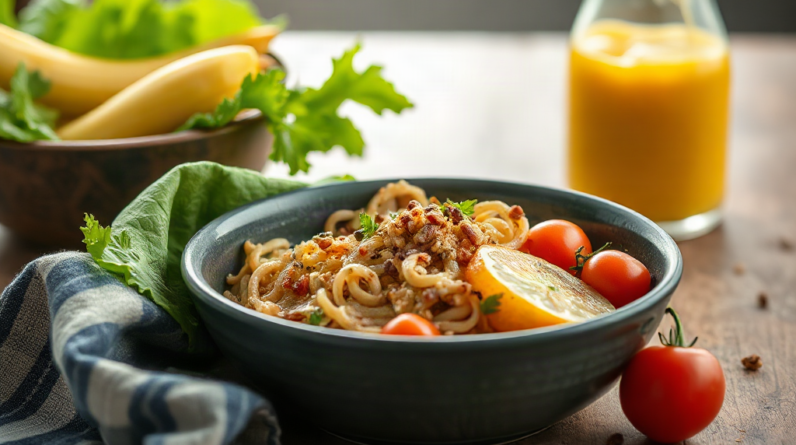
To make better choices at fast-food restaurants, compare the full meal rather than judging one menu item: choose a filling protein, include produce when practical, check calories and sodium, and limit oversized sides, sugary drinks, and heavy sauces. Grilled items may be useful, but preparation, toppings, and portion size matter more than labels such as “fresh” or “premium.” Review nutrition information before ordering when it is available, then customize the meal by removing cheese, reducing sauce, or substituting a smaller side. A satisfying order does not need to be perfect; it should fit your hunger, dietary needs, and eating pattern for the rest of the day.
Evaluate the Entire Order, Not One “Healthy” Item
A fast-food order is the combined result of the entrée, side, beverage, sauces, and portion size. A grilled sandwich can appear sensible on its own, yet a large sweetened drink, fried side, and several sauce packets may change the order substantially. Conversely, a modest burger paired with water and a fruit or vegetable side may fit someone’s needs better than a large salad covered with fried toppings, cheese, and creamy dressing.
Menu labels are useful starting points, but they rarely tell the whole story. Words such as “artisan,” “natural,” “protein,” or “fresh” do not reveal calorie density, sodium, added sugar, or serving size. Even “grilled” only describes one part of preparation. A grilled chicken sandwich may still contain a salty marinade, cheese, mayonnaise, and a large refined-grain bun. The smarter comparison is between complete orders that you would realistically eat, not between an idealized entrée and an indulgent meal.
Start with three checks. First, ask whether the portion matches your current hunger rather than the largest size offered. Second, identify additions that contribute substantial calories, sodium, or sugar without adding much fullness, such as a large soda or multiple creamy sauces. Third, look for an element that adds volume or fiber, including beans, lettuce, tomatoes, fruit, corn, or a side salad. Fiber is not abundant on many fast-food menus, so produce and legumes can make a meaningful difference.
For example, consider two chicken orders. One includes a crispy chicken sandwich, large fries, soda, and dipping sauce. Another includes a smaller grilled chicken sandwich with lettuce and tomato, a small side, water, and one sauce packet. The second order is not automatically appropriate for everyone, but its portions and extras are easier to assess and adjust. Someone with high energy needs may need more food; that person could add beans, fruit, milk, or another protein-containing item rather than defaulting to the largest fries.
A common mistake is treating one choice as a moral test. Fast food can be convenient, affordable, culturally familiar, or the only practical option during travel and shift work. The aim of how to make better choices at fast-food restaurants is not to produce a flawless order. It is to notice which parts of the meal have the greatest effect and adjust those first.
Build a More Satisfying Fast-Food Meal
A useful fast-food meal usually combines protein, a source of carbohydrate, and some fiber or produce. Protein and fiber may help a meal feel more substantial, while carbohydrate provides readily available energy. Fat can contribute flavor and satisfaction, but fried coatings, cheese, bacon, mayonnaise, and creamy dressing can accumulate quickly when several appear in the same order.
Begin with a protein-containing anchor that fits your preferences. Possibilities include grilled chicken, eggs, a basic hamburger, beans, chili, fish, tofu where offered, or a bean-based burrito. Plant-based branding does not guarantee a lighter or lower-sodium choice; some meatless patties are heavily processed and served with the same cheese and sauces as other sandwiches. Compare the complete item and choose it because it suits your goals and preferences, not because the label creates a health halo.
Next, add produce or a fiber-containing ingredient where the menu permits. Extra lettuce and tomato add modest volume, while beans, oatmeal, fruit, corn, or a whole-grain option may contribute more fiber. A salad can work well when it includes enough protein to function as a meal. Without chicken, beans, eggs, or another substantial topping, a small vegetable salad may leave you hungry soon afterward. Dressing can be used in an amount that preserves flavor without automatically emptying the entire packet.
Finally, choose the portion deliberately. A practical order might be a bean burrito with extra vegetables and water, an egg sandwich with fruit, or a single hamburger with a side salad. If fries are the food you genuinely want, order a size that fits the meal rather than attempting an unsatisfying substitute and then buying fries later. Sharing a large portion is useful only when sharing is realistic; saving half may not work if the food cannot be refrigerated promptly.
A compact ordering sequence can reduce impulsive upgrades:
- Select the entrée: Look for a workable protein and a portion you expect to finish comfortably.
- Choose one meaningful addition: Add fruit, vegetables, beans, or another item that improves fullness.
- Decide on extras individually: Cheese, sauce, dessert, fries, and a sweetened drink do not all need to accompany the same meal.
- Choose the drink last: Water, unsweetened tea, plain coffee, or milk may be useful alternatives, depending on the meal and personal needs.
The approach is failing if you leave hungry every time, repeatedly order more food shortly afterward, or feel compelled to remove every enjoyable component. In that case, increase the meal’s substance with protein, fiber, or an appropriate portion rather than relying on restriction alone.
Use Nutrition Information Without Chasing Perfect Numbers
Nutrition information is most valuable for comparing similar items and spotting unexpectedly large differences. Many restaurant chains publish calories and nutrient details online or in an app, while menu boards may display calories. Sodium, saturated fat, added sugars, fiber, and protein can provide additional context when available. The numbers are estimates, however, and actual preparation may vary, so small numerical differences should not drive the decision.
Check the nutrients most relevant to your situation. Someone limiting sodium may compare sandwiches, soups, dressings, processed meats, and sauces because those foods can be concentrated sources. A person managing blood glucose may pay closer attention to total carbohydrate, sweetened drinks, buns, tortillas, desserts, and portion size. Anyone with a food allergy must use the restaurant’s current allergen information and ask about preparation; a nutrition chart cannot establish that cross-contact is absent.
Calories help reveal scale, but the lowest-calorie item is not necessarily the best meal. A very small entrée may not provide enough food, prompting another purchase an hour later. Compare items that could plausibly satisfy the same need. If two breakfast sandwiches are similar in size, their nutrition profiles can help distinguish them. Comparing black coffee with a full lunch is meaningless because they serve different purposes.
Sodium deserves particular attention because restaurant breads, cheese, cured meat, seasoned chicken, soups, sauces, and fries can all contribute to one order. Removing a single topping may help, but ordering several salty components together can outweigh that change. A practical response is to avoid stacking them: choose bacon or cheese rather than both, use less sauce, or pair a salty entrée with a simple side instead of another heavily seasoned item. People following clinician-directed restrictions should use their prescribed targets rather than a generic rule.
Good Health Solution is Easier Than Most People Think! Take a Look for Yourself!
Before arriving, spend a minute comparing two or three likely orders rather than scanning the entire menu while hungry. Save the preferred order in the restaurant app or a note on your phone. This makes how to make better choices at fast-food restaurants easier during a rushed lunch, airport connection, or late drive home.
The most common numerical mistake is using one favorable value to excuse the rest of the profile. High protein does not cancel very high sodium, and a low-carbohydrate item may still be large or rich in saturated fat. Nutrition data should clarify tradeoffs, not divide the menu into universally good and bad foods.
Customize Orders for Real-World Constraints
Small customizations often deliver more practical value than searching for a perfect menu item. Requesting sauce on the side, skipping one slice of cheese, choosing a smaller side, adding vegetables, or replacing a sweetened beverage can alter the meal without making it unrecognizable. Prioritize changes you will actually enjoy and remember; an order that feels punitive is difficult to repeat.
Customization also has limits. Restaurants may charge for substitutions, mobile apps may not offer every request, and busy kitchens can make complex orders unreliable. A person with a severe allergy should not interpret a customized order as proof of safety. Ingredient handling and shared equipment require separate attention, and current information from the specific restaurant matters more than a general menu assumption.
Budget can change the decision. Value bundles sometimes cost less than an entrée with a produce side, and adding grilled protein may carry a premium. If the bundle is the affordable option, choose the smallest workable bundle, select water when refills or bottled drinks add cost, or save an unopened shelf-stable item when safe and practical. Another option is combining a modest restaurant entrée with food already available, such as an apple, unsalted nuts, or plain yogurt kept at work. Perishable foods still require appropriate refrigeration.
Timing matters as well. Before a long drive or physical shift, an extremely heavy meal may cause discomfort, while an undersized salad may not sustain you. A traveler could choose a turkey or egg sandwich, fruit, and water, then keep a simple snack available for later. After strenuous activity, a larger meal may be reasonable, but hunger can make automatic size upgrades tempting. Ordering the planned portion first and waiting before adding food provides a more accurate check of fullness.
Frequent customers gain the most from creating two or three default orders. One could be a breakfast option, one a lunch or dinner order, and one choice for locations with limited menus. Defaults reduce last-minute decisions while leaving room for preference. Signs the system is working include comfortable fullness, fewer unplanned add-ons, and an order that fits both budget and schedule. Signs it needs adjustment include persistent hunger, gastrointestinal discomfort, excessive thirst after very salty meals, or a routine that conflicts with clinician-provided nutrition advice.
Do not try to improve every element at once. If sweetened drinks are daily, changing the beverage may be the highest-impact first step. If portions are the concern, keep the preferred foods and reduce the automatic upgrade. If sodium is the priority, compare entrées and sauces before focusing on minor calorie differences. This targeted approach makes how to make better choices at fast-food restaurants workable under real constraints rather than dependent on willpower at the counter.
Frequently Asked Questions
Is a salad always the healthiest fast-food choice?
No. Compare its portion, protein, fried toppings, cheese, dressing, and sodium with other complete meals. A salad with vegetables and adequate protein can be useful, but the label alone does not determine its nutritional fit.
Are grilled items always better than fried items?
Grilling usually avoids a fried coating, but marinades, cheese, bacon, sauces, and portion size still matter. Compare the finished items and choose based on your needs rather than preparation language alone.
What is the easiest fast-food change to make first?
Change the part of your usual order that contributes the most without adding much satisfaction. For many people that is a large sweetened drink, an automatic size upgrade, or multiple sauce packets.
Can fast food fit into a balanced eating pattern?
It can fit for many people when portions, frequency, the complete order, and the rest of the eating pattern are considered. Individual medical needs or prescribed restrictions may require more specific choices.
How can I reduce sodium in a fast-food meal?
Avoid stacking several salty components, compare restaurant nutrition information, use less sauce, and consider skipping bacon or cheese. People with a sodium restriction should follow targets provided by their clinician.
Conclusion
Better fast-food decisions come from comparing realistic orders, not searching for a flawless menu label. Focus first on the entrée’s portion and protein, then account for the side, drink, sauces, produce, and sodium across the complete meal. Use posted nutrition details to compare similar options, while recognizing that restaurant values are estimates and individual needs differ.
Choose one adjustment that addresses your main concern: replace the automatic large drink, stop stacking salty toppings, add beans or produce, or create a smaller default order. Keep a few acceptable choices ready for rushed days, travel, and budget constraints. If allergies, diabetes, kidney disease, hypertension, or another medical concern shapes your choices, rely on current restaurant information and personalized guidance from a qualified healthcare professional rather than broad menu rules.
 Good Health Solution is Easier Than Most People Think! Take a Look for Yourself!