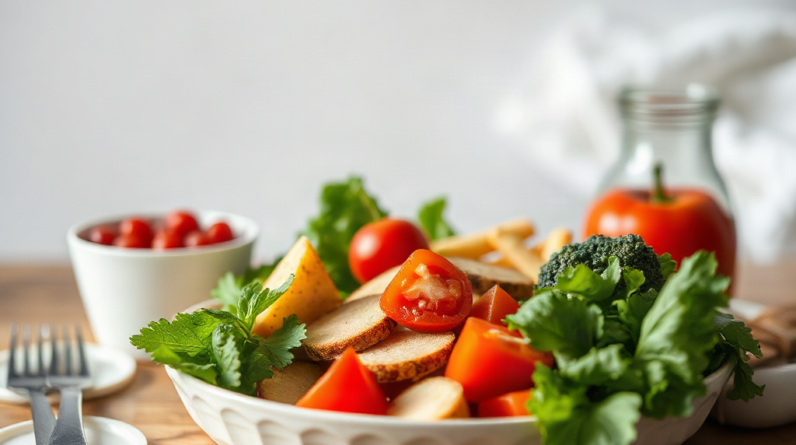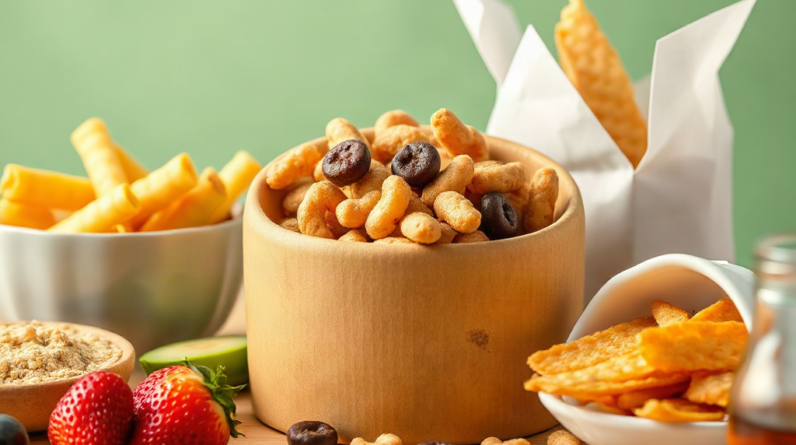
Find healthy alternatives to your favorite snacks by identifying what each craving delivers—such as crunch, sweetness, saltiness, creaminess, or convenience—and choosing a substitute that preserves that experience while adding fiber, protein, or nutrient-dense ingredients. Compare serving sizes and labels rather than assuming every product marketed as natural or plant-based is healthier. For example, pair fruit with yogurt for a sweet, filling snack or choose lightly seasoned popcorn instead of chips when volume and crunch matter. Keep portions realistic, account for allergies and dietary needs, and judge success by satisfaction as well as nutrition; an unsatisfying swap often leads to extra snacking later.
Identify What You Actually Want From the Snack
A useful replacement must serve the same purpose as the original snack. Someone reaching for potato chips may want salt and crunch, while another person may be responding to hunger, habit, boredom, or the need for something portable. Replacing chips with an unseasoned apple may look nutritious on paper, but it does not provide the savory flavor or crisp, brittle texture that prompted the choice.
Pause before snacking and name the dominant feature: sweet, salty, crunchy, creamy, cold, warm, filling, or quick. Then consider whether physical hunger is involved. If several hours have passed since a meal and almost any appealing food sounds good, a snack containing protein, fiber, or both will generally be more sustaining than a low-calorie imitation. Greek yogurt with berries, an apple with peanut butter, or whole-grain crackers with hummus may fit that situation better than a handful of flavored rice cakes.
Habits add another layer. A person who eats cookies while watching television may be responding partly to the setting rather than hunger. A smaller serving of cookies plated beside milk or fruit can be more workable than forcing a completely unrelated substitute. The aim is to change the snack deliberately, not to pretend the original appeal does not exist.
Notice timing and context for several days without judging the choices. Record the snack, approximate hunger level, desired quality, and whether it felt satisfying afterward. Patterns make the search more precise. Afternoon vending-machine visits may point to an inadequate lunch, whereas evening grazing may call for a planned portion and a clear stopping point. A common mistake is selecting alternatives solely because they have fewer calories. If the replacement leaves you hungry or dissatisfied, eating two or three substitutes may provide less enjoyment and similar energy than a moderate portion of the favorite snack.
Compare Alternatives by Nutrition and Satisfaction
Health claims on the front of a package are not enough to establish that a snack is a meaningful improvement. Words such as “natural,” “veggie,” “multigrain,” or “made with fruit” do not reveal how much added sugar, sodium, saturated fat, fiber, or protein a serving contains. Use the Nutrition Facts panel and ingredient list to compare the proposed alternative with the food it will replace.
Start with equivalent amounts. Serving sizes may differ substantially between products, so compare the amount you would realistically eat rather than two unrelated label servings. Check added sugars for sweet snacks, sodium for savory choices, and saturated fat when comparing creamy or fried products. Fiber and protein can improve staying power, but neither number needs to be maximized at every snack. Your full eating pattern matters more than making one item nutritionally perfect.
Whole or minimally processed foods often provide useful combinations without elaborate label analysis. Fruit supplies water, carbohydrates, fiber, and varied micronutrients; nuts and seeds provide unsaturated fats, protein, and minerals; plain yogurt can contribute protein and calcium. Processing itself is not an automatic disqualifier, however. Frozen fruit, canned chickpeas, whole-grain crackers, and packaged popcorn can all be practical choices. The relevant question is what the processing adds or removes and whether the result fits your needs.
Dietary constraints change the comparison. Nut butter is unsuitable for someone with a nut allergy, high-fiber snacks may need gradual introduction if they cause digestive discomfort, and people managing conditions affected by sodium, carbohydrates, or other nutrients may need individualized advice from a registered dietitian or clinician. Snack substitutions support everyday eating choices; they should not be treated as medical treatment.
Use satisfaction as a second label. After trying an alternative, ask whether it handled the craving and kept hunger manageable until the next planned meal. A product with an impressive nutrient profile but poor taste is unlikely to become a reliable choice. That practical standard is central to how to find healthy alternatives to your favorite snacks without creating an expensive collection of abandoned packages.
Match Common Cravings With Realistic Replacements
Close matches tend to work better than nutritionally virtuous opposites. Preserve the sensory quality that matters most, then improve the ingredients or serving context. The replacement does not have to resemble the original in every respect; it needs to satisfy the feature driving the choice.
Crunchy and Salty
For chips or cheese crackers, consider air-popped or lightly seasoned popcorn, roasted chickpeas, whole-grain crackers with hummus, or crisp vegetables with a flavorful dip. Popcorn offers substantial volume for people who enjoy prolonged snacking, while chickpeas generally provide more protein and fiber. Neither is automatically low in sodium once heavily flavored, so packaged versions still deserve a label check.
Sweet and Dessert-Like
Fruit alone may satisfy a light sweet craving, but stronger dessert cravings often need a richer pairing. Berries with plain or lightly sweetened yogurt, a banana with peanut butter, frozen grapes, or a few pieces of dark chocolate with nuts retain sweetness while adding protein, fiber, or fat. Plain yogurt gives greater control over added sugar, although a modestly sweetened version that you enjoy may be more useful than plain yogurt you will not eat.
Creamy or Cold
For ice cream, blend frozen banana and fruit with yogurt, try a yogurt-based frozen dessert, or serve a smaller scoop of the favorite ice cream with berries. These options involve tradeoffs. Frozen banana mixtures can be high in naturally occurring carbohydrate and do not reproduce dairy richness; some reduced-calorie frozen products use sweeteners or fibers that cause digestive discomfort for certain people. A smaller portion of the original may be the better decision when the substitute requires a large quantity to feel satisfying.
Portable and Convenient
Convenience is a legitimate requirement rather than a nutritional failure. Shelf-stable options include portioned nuts or seeds, lower-added-sugar trail mix, roasted beans, whole-grain crackers, and fruit cups packed in water or juice. Refrigerated choices such as cheese, yogurt, or cut vegetables need an insulated bag when they will remain away from refrigeration. Homemade is not inherently healthier if preparation demands make it unavailable when hunger arrives.
A common mismatch is changing too many characteristics at once: flavor, texture, temperature, portion, and convenience. Change one or two variables first. For example, replace heavily seasoned chips with lightly salted popcorn before attempting raw vegetables as the default. Gradual comparisons reveal which improvement you can maintain.
Use a Checklist to Test Each Swap
A short evaluation prevents marketing language from making the decision. Apply the same questions to packaged products, homemade recipes, and whole foods, while allowing room for personal taste and budget.
Good Health Solution is Easier Than Most People Think! Take a Look for Yourself!
- Name the craving: Decide whether texture, flavor, hunger, comfort, or convenience is the priority.
- Choose a close candidate: Preserve at least one defining quality of the favorite.
- Compare realistic portions: Review added sugars, sodium, saturated fat, fiber, and protein as relevant.
- Add staying power if needed: Pair a carbohydrate-rich item with yogurt, nuts, seeds, cheese, beans, or hummus.
- Run a satisfaction test: Note hunger and craving intensity about an hour later.
- Keep, adjust, or reject it: A poor fit is information, not a reason to force the product into your routine.
Suppose chocolate-chip cookies are the usual 3 p.m. choice. If lunch was small, replacing them with a low-calorie cookie may not address hunger. Yogurt with sliced banana and a sprinkle of chocolate chips could provide the familiar sweetness with more protein and volume. If lunch was adequate and the cookie itself is what you want, plating one or two cookies and eating them attentively may produce better satisfaction than cycling through several substitutes.
Cost belongs in the test. Single-serving health-positioned products can be expensive, while store-brand popcorn kernels, seasonal fruit, oats, canned beans, and bulk yogurt may reduce cost per serving. Avoid buying a large package until you know you enjoy it. Unit prices are useful, but waste can erase apparent savings.
Signs a swap is working include looking forward to it, feeling comfortably satisfied, and using it repeatedly without compensatory grazing. Warning signs include persistent thoughts about the original, routinely doubling the portion, digestive symptoms, or relying on a product that strains the grocery budget. Revisit how to find healthy alternatives to your favorite snacks as an ongoing comparison process rather than a one-time hunt for a perfect food.
Make Better Options Convenient Without Banning Favorites
Availability often determines which snack gets eaten. Put ready-to-eat alternatives where the decision occurs: fruit on a visible counter, yogurt at eye level in the refrigerator, and portioned nuts or popcorn near a work bag. Wash and cut produce in quantities you can finish safely rather than preparing so much that it spoils. Keep dips, seasonings, or individual containers nearby to reduce the steps between hunger and eating.
Build a small rotation instead of relying on one supposedly ideal option. A practical set might include a fresh choice, a refrigerated protein-rich choice, and a shelf-stable backup. For example, stock apples, yogurt, and roasted chickpeas. Variety covers different cravings and prevents boredom without requiring a pantry full of specialty products.
Favorite snacks can remain in the plan. Prohibition may increase their appeal, and substitutes are not automatically needed every time. Decide when the original is worth choosing and serve it intentionally. Buying smaller packages, placing a portion in a bowl, and pairing it with a more filling food can make the experience easier to judge than eating directly from a large container. Portion awareness should support enjoyment, not turn snacking into a moral test.
Household needs may require parallel options. Children, athletes, older adults, and people with restricted diets can have different energy, texture, and nutrient requirements. A snack that suits one person may be inadequate or inappropriate for another. Keep the shared quality—perhaps crunch or sweetness—while varying portions and accompaniments.
Review the routine after two weeks. Keep replacements that are affordable, accessible, enjoyable, and satisfying; modify those that work only under ideal conditions. If a choice repeatedly fails during commutes, choose a portable alternative rather than blaming willpower. Sustainable snack changes come from designing for the situation in which the food will actually be eaten.
Frequently Asked Questions
What is the easiest way to replace an unhealthy snack?
Match its strongest feature first. Replace a crunchy savory snack with lightly seasoned popcorn or roasted chickpeas, and pair a sweet snack with fruit, yogurt, nuts, or seeds when greater staying power is needed.
Are snacks labeled natural or organic automatically healthier?
No. Those terms do not by themselves indicate lower added sugar, sodium, or saturated fat. Compare realistic serving sizes on the Nutrition Facts label and consider whether the product is satisfying.
What can I eat instead of chips?
Popcorn, roasted chickpeas, whole-grain crackers with hummus, or crisp vegetables with dip can supply crunch. Choose according to whether you value volume, protein, portability, or a close flavor match.
Is fruit a good replacement for dessert?
Fruit may handle a mild sweet craving. For a richer dessert experience, pair it with yogurt, nut or seed butter, or a small amount of chocolate so the snack offers more flavor contrast and staying power.
Do I have to stop eating my favorite snacks?
No. A planned portion of the original may be more satisfying than an unwanted substitute. Use alternatives when they genuinely fit, and serve favorites deliberately rather than treating them as forbidden.
Further Reading
Authoritative Sources
- USDA MyPlate
myplate.govProvides food-group guidance that can help readers build snacks from fruit, vegetables, grains, protein foods, and dairy or fortified alternatives
- How to Understand and Use the Nutrition Facts Label
fda.govExplains serving sizes, added sugars, sodium, saturated fat, and other label details used when comparing packaged snacks
Conclusion
Successful snack substitutions balance nutrition with the reason a favorite food is appealing. Identify the desired flavor, texture, convenience, and level of fullness before comparing alternatives. Check realistic portions and relevant label details, but do not let a single nutrient or package claim decide the result. Test close matches, pair lighter foods with protein or fiber when hunger is involved, and retain only choices that are satisfying, affordable, and easy to access. Start with one frequently eaten snack this week, try two plausible replacements, and observe what happens afterward. If neither works, adjust the portion, pairing, or context—or choose a measured serving of the original. A useful alternative is one you can enjoy repeatedly, not merely the option with the healthiest-looking package.
 Good Health Solution is Easier Than Most People Think! Take a Look for Yourself!