Understanding the impact of diet on health can help you make informed choices. For instance, antioxidants found in fruits and vegetables combat oxidative stress, while healthy fats from sources like avocados and nuts support brain health. Recognizing these benefits allows you to tailor your meals to not only nourish but also heal.
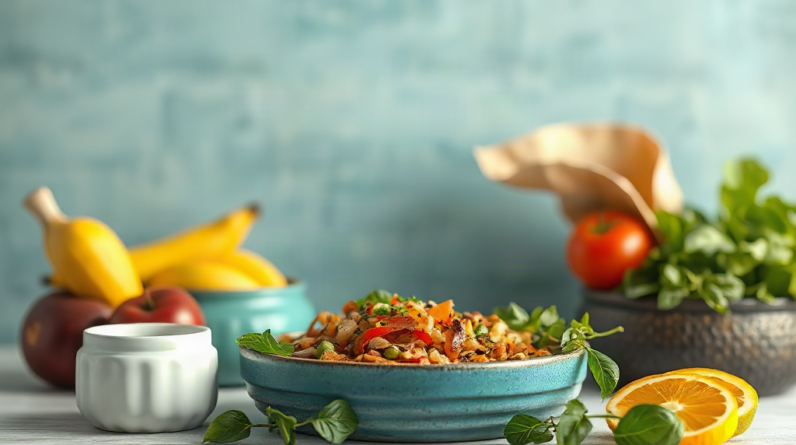
When considering food as medicine, it’s vital to balance your diet with a variety of food groups. Relying too heavily on supplements instead of whole foods can lead to nutrient imbalances. Instead, aim for a colorful plate filled with diverse foods to ensure you’re getting a broad spectrum of vitamins and minerals.
Relying too heavily on supplements instead of whole foods can lead to nutrient imbalances. Instead, aim for a colorful plate filled with diverse foods to ensure you're getting a broad spectrum of vitamins and minerals.
Understanding Food as Medicine
The concept of food as medicine revolves around the idea that our dietary choices can have profound effects on our health. Foods rich in vitamins, minerals, and antioxidants can help prevent diseases and promote overall wellness. For example, turmeric contains curcumin, known for its anti-inflammatory properties, making it a powerful addition to meals.
Many individuals mistakenly believe that dietary changes require drastic overhauls or complicated meal plans. However, small, consistent changes can yield significant health benefits. Incorporating foods that are naturally rich in nutrients can enhance your body’s ability to function optimally and combat illness.
Key Foods for Health Benefits
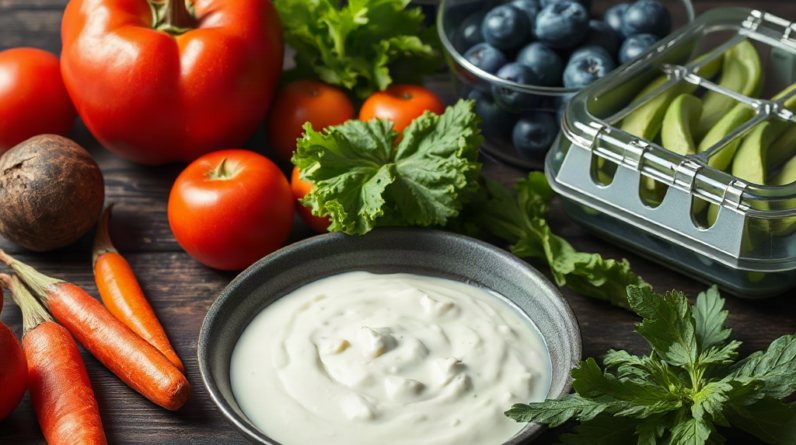
Certain foods stand out for their health benefits and should be included in a balanced diet. Leafy greens like spinach and kale are loaded with vitamins A, C, and K, which are crucial for maintaining strong immune function. Berries, such as blueberries and strawberries, are high in antioxidants that help protect cells from damage.
Additionally, omega-3-rich foods like salmon, walnuts, and flaxseeds are essential for heart health. They reduce inflammation and support cognitive function. Including these foods in your diet can lead to improved health outcomes and a reduced risk of chronic diseases.
Practical Strategies for Implementation
To effectively implement food as medicine tips, start by planning meals that incorporate a variety of nutrient-dense foods. Meal prepping can save time and ensure you have healthy options readily available. Consider creating a weekly menu that emphasizes whole foods and minimizes processed items.
Additionally, educating yourself about seasonal produce can enhance your meals’ freshness and flavor. Farmers’ markets are great places to discover local, organic options that are often more nutritious than store-bought alternatives. Remember that the goal is to make food choices that nourish your body and support your health.
Further Reading
Authoritative Sources
- NIH Office of Dietary Supplements
ods.od.nih.govEvidence-based information on vitamins, minerals, supplements, and nutrition-related questions. Good Health Solution is Easier Than Most People Think! Take a Look for Yourself!
- USDA FoodData Central
fdc.nal.usda.govUSDA nutrient data for foods and ingredients used in nutrition decisions
- Harvard T.H. Chan School of Public Health Nutrition Source
hsph.harvard.eduPublic health nutrition guidance and educational resources
Frequently Asked Questions
What are some examples of foods that act as medicine?
Examples include leafy greens like kale, berries rich in antioxidants, and fatty fish high in omega-3 fatty acids.
How can I incorporate food as medicine into my daily routine?
Start by planning meals with a focus on whole foods, using seasonal produce, and prepping meals in advance.
Are supplements a good substitute for whole foods?
No, while supplements can help, they should not replace whole foods, as they lack the full range of nutrients found in natural foods.
What is the biggest mistake people make with food as medicine?
A common mistake is relying too heavily on supplements instead of focusing on a balanced diet rich in whole foods.
How often should I eat foods that are considered medicinal?
Incorporating medicinal foods into your daily diet is ideal, aiming for a variety of these foods at each meal.
Conclusion
Incorporating food as medicine tips into your lifestyle can profoundly impact your health. By prioritizing whole, nutrient-dense foods and understanding their benefits, you can enhance your overall wellness. Aim to make small, consistent dietary changes that include a variety of health-promoting foods. Remember, the goal is to nourish your body effectively and prevent illness through your food choices.

Good Health Solution is Easier Than Most People Think!
Take a Look for Yourself!