Many beginners set unrealistic expectations, leading to frustration and quick burnout. It’s crucial to understand that healthy eating is not just a diet; it’s a lifestyle change. Common pitfalls include over-restriction, mislabeling foods, and neglecting personal preferences. Prioritizing gradual changes instead of drastic overhauls will help you establish healthier habits that last.
Understanding Whole Foods
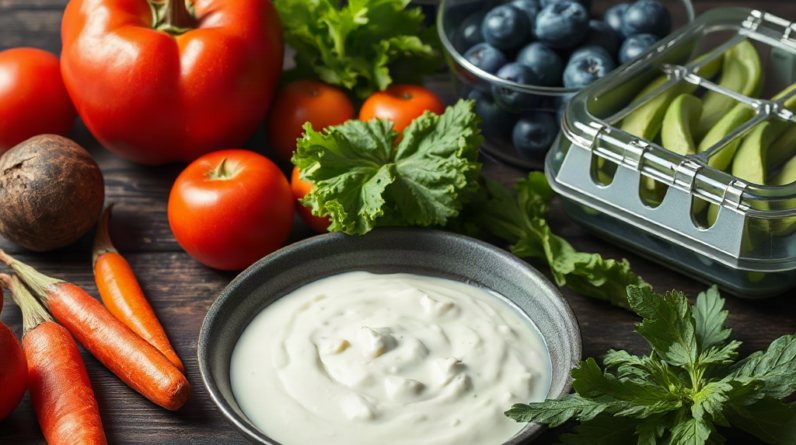
Whole foods are unprocessed or minimally processed items that provide essential nutrients. These include fruits, vegetables, whole grains, nuts, and lean proteins. Choosing whole foods over processed alternatives can significantly enhance your nutritional intake, paving the way for better health outcomes.
However, the transition to whole foods can be challenging. Many beginners mistakenly think that all packaged foods are unhealthy, which isn’t always the case. Look for items with minimal ingredients and no added sugars or preservatives. Start by gradually incorporating more whole foods into your meals, focusing on variety to keep your diet interesting and enjoyable.
Balancing Your Plate
Creating balanced meals is essential for maintaining energy levels and overall health. A good rule of thumb is to fill half your plate with vegetables and fruits, one-quarter with lean proteins, and one-quarter with whole grains. This balance ensures you receive a variety of nutrients necessary for your body.
It’s easy to fall into the trap of focusing solely on one food group. For instance, many beginners overemphasize protein at the expense of vegetables. This imbalance can lead to digestive issues and nutrient deficiencies. When planning meals, consider your body’s needs based on your activity levels and adjust the proportions accordingly.
Hydration Matters
Staying hydrated is often overlooked in healthy eating discussions, yet it plays a vital role in overall health. Water aids digestion, nutrient absorption, and energy levels. Aim for at least eight 8-ounce glasses of water daily, adjusting for physical activity and climate.
Many people confuse thirst with hunger, leading to unnecessary snacking. A good strategy is to drink a glass of water before meals to help regulate appetite. Additionally, incorporating hydrating foods like fruits and vegetables can contribute to your daily water intake while providing essential nutrients.
Good Health Solution is Easier Than Most People Think!
Take a Look for Yourself!
Mindful Eating Practices
Mindful eating encourages awareness of your eating habits, helping to foster a better relationship with food. This practice involves paying attention to hunger cues, savoring each bite, and eliminating distractions during meals. By focusing on the experience of eating, you can improve digestion and satisfaction.
Common mistakes include eating while watching TV or working, which can lead to overeating. Create a dedicated eating space, free from distractions, to help cultivate mindfulness. Start small by practicing mindful eating during one meal a day, gradually building this habit into your daily routine.
Further Reading
Authoritative Sources
- MedlinePlus
medlineplus.govConsumer-friendly medical and health information from the U.S. National Library of Medicine.
- National Institutes of Health
nih.govResearch-based health information and links to authoritative medical resources.
- Centers for Disease Control and Prevention
cdc.govOfficial public health guidance, prevention resources, and topic-specific recommendations.
- Mayo Clinic
mayoclinic.orgTrusted clinical guidance, symptom explainers, and treatment overviews.
- World Health Organization
who.intGlobal health guidance, fact sheets, and evidence-based public health information.
Frequently Asked Questions
What are some quick healthy meal ideas for beginners?
Try simple meals like quinoa salad with mixed vegetables, grilled chicken with steamed broccoli, or oatmeal topped with fruit and nuts.
How can I avoid processed foods?
Focus on shopping the perimeter of grocery stores where fresh produce and whole foods are located, and read labels to avoid added sugars and preservatives.
Is it necessary to count calories?
No, counting calories isn’t necessary for everyone. Instead, focus on the quality of your food choices and listen to your body’s hunger signals.
What should I do if I crave unhealthy foods?
Allow yourself occasional treats in moderation. Try to understand the craving and consider healthier alternatives that satisfy the same desire.
How can I maintain motivation for healthy eating?
Set realistic goals, track your progress, and find a supportive community. Celebrate small victories to keep you motivated on your journey.
Conclusion
Embarking on a healthy eating journey requires patience and commitment. Focus on whole foods, balance your meals, and stay hydrated to build a sustainable lifestyle. Remember, it’s not about perfection but making consistent, mindful choices that fit your life. Start with small changes, and gradually incorporate healthy habits that resonate with you, setting the stage for lasting wellness.

Good Health Solution is Easier Than Most People Think!
Take a Look for Yourself!