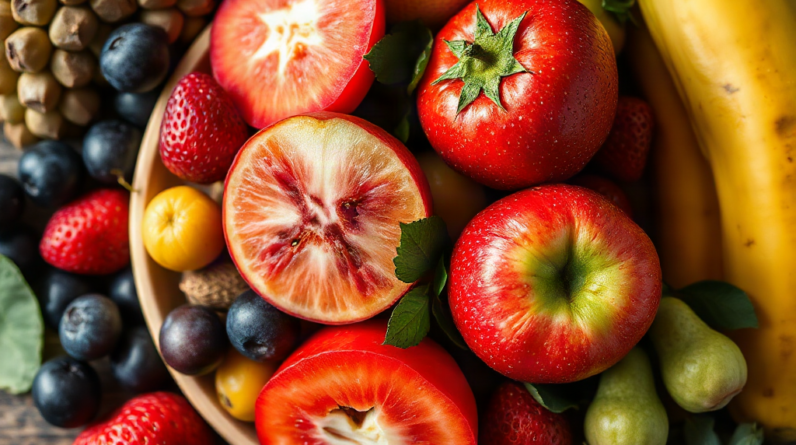
Simple Clean Eating Tips offer a straightforward approach to nourishing your body with whole, unprocessed foods. This method emphasizes the importance of choosing fresh fruits, vegetables, lean proteins, and whole grains, allowing you to maximize nutrition while minimizing additives and preservatives. The goal is to create meals that not only taste good but also fuel your body effectively.
However, the journey to clean eating can be fraught with challenges. Many individuals mistakenly believe that clean eating requires complex meal plans or expensive ingredients. In reality, it’s about making mindful choices and understanding what constitutes clean food. Common pitfalls include overcomplicating meals, relying on packaged health foods, and neglecting the importance of balance and moderation. Recognizing these pitfalls is crucial for sustainable success.
Understanding Clean Eating
At its core, clean eating is about choosing natural, minimally processed foods that are free from artificial ingredients. This means prioritizing whole foods like fruits, vegetables, nuts, seeds, lean meats, and whole grains. The focus is not only on what you eat but also on how your food is prepared and sourced.
Many people mistakenly think that clean eating is a restrictive diet. Instead, it’s about inclusivity and making choices that honor your body’s needs. A smart reader should focus on understanding the food labels, recognizing what ingredients to avoid, and being aware of the sourcing of their food. This understanding will help you navigate grocery aisles with confidence and make informed choices.
Practical Tips for Clean Eating
Implementing clean eating can be straightforward with a few practical strategies. Start by making small changes, such as incorporating more fruits and vegetables into your meals. Opt for whole grains instead of refined options, and choose lean proteins to reduce unhealthy fats. Cooking at home allows you to control the ingredients, making it easier to stick to clean eating principles.
Additionally, consider batch cooking and meal prepping on weekends. This not only saves time during the week but also ensures you have healthy meals ready to go. Keep in mind that clean eating doesn’t mean you have to give up your favorite foods. It’s about moderation and finding healthier alternatives without sacrificing enjoyment.
Meal Planning Made Easy
Effective meal planning is a cornerstone of successful clean eating. Start by creating a weekly menu that includes a variety of foods to ensure balanced nutrition. Focus on seasonal produce, which is often fresher and more affordable. When planning, consider your schedule and choose recipes that fit your time constraints.
Remember to keep your pantry stocked with clean staples like canned beans, whole grains, and frozen vegetables, which can save you in a pinch. By being prepared, you reduce the temptation to turn to processed foods when you’re busy or tired.
Good Health Solution is Easier Than Most People Think!
Take a Look for Yourself!
Common Misconceptions About Clean Eating
There are several misconceptions surrounding clean eating that can lead to confusion. One major myth is that clean eating is overly restrictive or expensive. In reality, clean eating can be as simple as choosing whole foods over processed items, which often saves money in the long run.
Another common misconception is that all packaged foods labeled as “healthy” are clean. Many of these products contain hidden sugars or preservatives. Always read labels carefully and prioritize whole, unprocessed foods. Understanding these misconceptions will empower you to make better choices and lead a healthier lifestyle.
Further Reading
For those looking to dive deeper into the principles of clean eating, consider exploring reputable nutrition websites and books that provide comprehensive guidance. Resources from registered dietitians or certified nutritionists can offer insights tailored to your unique health needs.
Further Reading
Authoritative Sources
- Ready.gov
ready.govOfficial U.S. preparedness guidance, checklists, and planning resources for households and emergencies.
- FEMA
fema.govFederal emergency management resources, disaster planning information, and recovery guidance.
- American Red Cross Emergency Preparedness
redcross.orgPractical emergency preparation steps, supply lists, and safety guidance for families.
- National Weather Service
weather.govOfficial forecasts, hazard alerts, and weather safety information.
- CDC Emergency Preparedness and Response
cdc.govPublic health guidance for emergencies, disasters, and recovery situations.
Frequently Asked Questions
What is clean eating?
Clean eating focuses on consuming whole, unprocessed foods while avoiding additives and preservatives. It emphasizes fresh fruits, vegetables, lean proteins, and whole grains.
Is clean eating expensive?
Clean eating can be budget-friendly. By focusing on whole foods and seasonal produce, you can save money compared to purchasing processed health foods.
Can I still enjoy my favorite foods while clean eating?
Yes! Clean eating is about moderation and finding healthier alternatives, allowing you to enjoy your favorite foods without guilt.
How can I start clean eating?
Begin by incorporating more whole foods into your diet, reading ingredient labels, and planning your meals to ensure you have healthy options available.
Are all packaged foods unhealthy?
No, but many packaged foods contain added sugars and preservatives. Always check labels and prioritize unprocessed options.
Conclusion
Incorporating Simple Clean Eating Tips into your lifestyle can greatly enhance your health and well-being. By prioritizing whole foods, understanding what to avoid, and planning your meals effectively, you can create a sustainable approach to eating that benefits both your body and mind. Start small, be mindful of your choices, and remember that clean eating is about balance, not perfection. Take the first step today towards a healthier you!

Good Health Solution is Easier Than Most People Think!
Take a Look for Yourself!