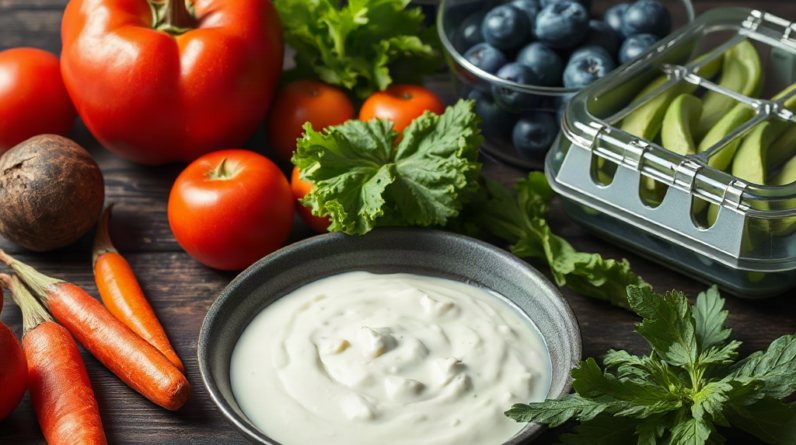

Understanding the impact of food on your body is crucial. Many people overlook how their dietary choices affect their mood, energy, and overall health. Simple wellness food tips are not just about eating less of certain foods but rather about making smarter choices that fit your lifestyle. For instance, swapping refined grains for whole grains can increase fiber intake and stabilize blood sugar levels, leading to sustained energy throughout the day.
A common mistake is focusing solely on calorie counting rather than the quality of the food consumed. It’s essential to prioritize nutrient density over caloric intake. Incorporating a variety of colorful fruits and vegetables ensures a broad spectrum of vitamins and minerals, which can prevent deficiencies and promote better health outcomes.
Choosing Whole Foods
Choosing whole foods is a cornerstone of simple wellness food tips. Whole foods are unprocessed or minimally processed items that retain their natural nutrients. These include fruits, vegetables, whole grains, nuts, and seeds. By focusing on whole foods, you can significantly reduce your intake of added sugars, unhealthy fats, and preservatives.
Incorporating whole foods into your diet can enhance your nutritional profile and reduce the risk of chronic diseases. For example, replacing white rice with quinoa not only adds protein but also increases fiber, leading to better digestive health. Prioritize shopping the perimeter of the grocery store where fresh produce and whole foods are typically located.
It’s also important to be aware of the sourcing of your food. Organic or locally sourced produce can have higher nutrient levels and fewer pesticides. Additionally, buying in bulk can help reduce costs while ensuring you have a stock of healthy options readily available.
Balancing Macronutrients
Balancing macronutrients—carbohydrates, proteins, and fats—is essential for maintaining energy levels and supporting bodily functions. Each macronutrient plays a vital role in your overall health. For instance, proteins are crucial for muscle repair, carbohydrates provide immediate energy, and healthy fats support cellular function.
To create balanced meals, aim for a plate that includes a source of protein, complex carbohydrates, and healthy fats. For example, a meal of grilled chicken (protein), brown rice (carbohydrate), and avocado (fat) offers a satisfying balance that can keep you full longer. Understanding how to combine these macronutrients can help you avoid energy crashes and maintain steady blood sugar levels throughout the day.
Pay attention to portion sizes as well. While balancing macronutrients, it’s important to consider how much of each you are consuming. Tools like food scales or measuring cups can help you gauge appropriate portion sizes, especially when trying new recipes or adjusting your diet.
Prioritizing Seasonal Produce
Prioritizing seasonal produce is another key aspect of simple wellness food tips. Seasonal fruits and vegetables are often fresher, tastier, and more nutritious. They are typically harvested at their peak ripeness, leading to better flavor and nutrient content.
Incorporating seasonal produce can also help you save money and reduce your environmental impact. For example, buying strawberries in season means they are likely to be less expensive and more flavorful than out-of-season imports. Additionally, seasonal eating encourages variety in your diet, which can prevent monotony and ensure a wide range of nutrients.
To make the most of seasonal produce, consider creating a meal plan that highlights these ingredients. This not only supports local farmers but also allows you to experiment with new recipes and flavors throughout the year.
Common Mistakes to Avoid
When implementing simple wellness food tips, it’s crucial to avoid common pitfalls that can undermine your efforts. One major mistake is focusing too heavily on processed ‘health’ foods that are marketed as nutritious but may contain hidden sugars and unhealthy fats.
Good Health Solution is Easier Than Most People Think!
Take a Look for Yourself!
Another mistake is neglecting proper hydration. Many people underestimate the importance of drinking enough water, which is essential for digestion, energy levels, and overall health. Aim to drink at least eight glasses of water a day, and consider incorporating hydrating foods like cucumbers and watermelon into your meals.
Lastly, be wary of restrictive diets that eliminate entire food groups. Instead of cutting out foods, focus on moderation and balance. Allowing yourself occasional treats can prevent feelings of deprivation and help maintain a sustainable approach to healthy eating.
Further Reading
Authoritative Sources
- Choose My Plate
choosemyplate.govThis resource provides guidelines on balanced eating and nutrition based on USDA standards
- Eatwell Guide
eatwell.gov.ukOffers practical advice on how to eat a healthy, balanced diet
- Nutrition.gov
nutrition.govProvides science-based information on nutrition and dietary guidelines
- Fruits & Veggies More Matters
fruitsandveggiesmorematters.orgA resource dedicated to promoting the health benefits of fruits and vegetables
Frequently Asked Questions
What are whole foods?
Whole foods are unprocessed or minimally processed foods that provide essential nutrients, such as fruits, vegetables, whole grains, nuts, and seeds.
How can I balance macronutrients in my meals?
To balance macronutrients, include a source of protein, complex carbohydrates, and healthy fats in each meal, such as grilled chicken, brown rice, and avocado.
Why is seasonal produce important?
Seasonal produce is fresher, tastier, and often more nutritious, as it is harvested at peak ripeness, leading to better flavor and nutrient content.
What common mistakes should I avoid when eating healthy?
Avoid focusing on processed ‘health’ foods, neglecting hydration, and eliminating entire food groups. Emphasize moderation and balance instead.
How much water should I drink daily?
Aim to drink at least eight glasses of water a day, adjusting based on activity level and climate to ensure proper hydration.
Conclusion
Incorporating simple wellness food tips into your daily routine can significantly enhance your overall health and well-being. By focusing on whole foods, balancing macronutrients, and prioritizing seasonal produce, you can create nutritious meals that support your body’s needs. Avoid common pitfalls, such as neglecting hydration and relying on processed foods, to ensure your dietary choices lead to lasting benefits. Start small by making one or two changes to your meals this week, and gradually build on these habits for a healthier lifestyle.

Good Health Solution is Easier Than Most People Think!
Take a Look for Yourself!