To effectively plan healthy meals, consider your dietary needs and preferences, as well as any time constraints you may have. This planning process can help you avoid common pitfalls, such as impulse eating or relying on convenience foods that do not support your health objectives. Additionally, understanding portion sizes is crucial in maintaining a balanced diet and avoiding overeating.
One common mistake in meal planning is failing to incorporate variety, which can lead to meal fatigue and decreased motivation to adhere to healthy eating habits. To counteract this, aim to rotate different vegetables, proteins, and grains throughout the week. This not only keeps meals interesting but also ensures a wider range of nutrients.
Understanding Nutritional Balance
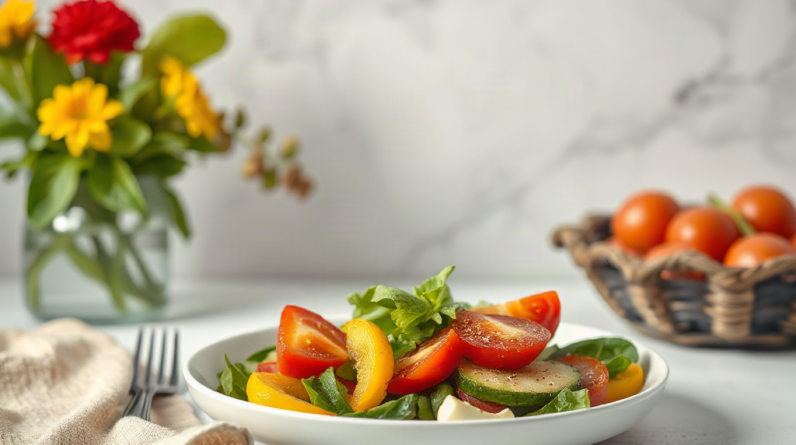
Nutritional balance is the cornerstone of healthy meal planning. This concept involves ensuring that meals provide adequate amounts of macronutrients—carbohydrates, proteins, and fats—as well as essential micronutrients like vitamins and minerals. A well-balanced plate typically consists of half fruits and vegetables, a quarter lean protein, and a quarter whole grains.
When planning meals, it’s important to consider how different foods interact and complement each other. For instance, pairing protein with fiber-rich foods can enhance satiety and regulate blood sugar levels. Moreover, understanding dietary guidelines can help you make informed choices about portion sizes and food variety.
A common oversight is focusing too heavily on one food group while neglecting others. To prevent this, keep a diverse selection of foods on hand and rotate them regularly. Meal planning apps or tools can assist in tracking your intake and ensuring balance.
Essential Foods for Meal Planning
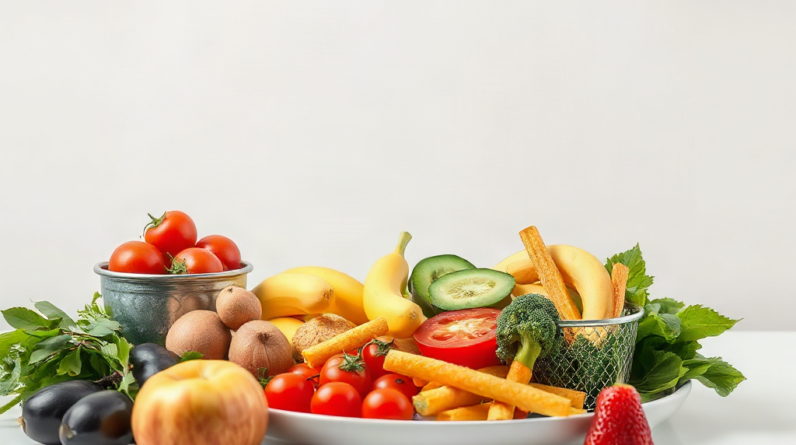
Incorporating a variety of essential foods into your meal planning is crucial for maintaining a healthy diet. Key components include fresh fruits and vegetables, whole grains, lean proteins, and healthy fats. Each of these food groups offers unique health benefits and contributes to overall well-being.
Fruits and vegetables are rich in vitamins, minerals, and antioxidants. Whole grains provide fiber and can help with digestion and sustained energy levels. Lean proteins, such as chicken, fish, legumes, and tofu, are important for muscle repair and growth. Healthy fats, found in nuts, seeds, avocados, and olive oil, support brain health and hormone production.
However, many people make the mistake of purchasing foods without a plan, leading to waste and missed opportunities for nutritious meals. To avoid this, create a shopping list based on your meal plan and stick to it. This practice not only saves money but also ensures that you have all the necessary ingredients to prepare healthy meals.
Steps for Effective Meal Preparation
Effective meal preparation involves several key steps that streamline the cooking process and enhance your ability to maintain a healthy diet. Start by planning your meals for the week, taking into account your schedule and any events that may affect your cooking time. Once your meals are planned, make a detailed shopping list.
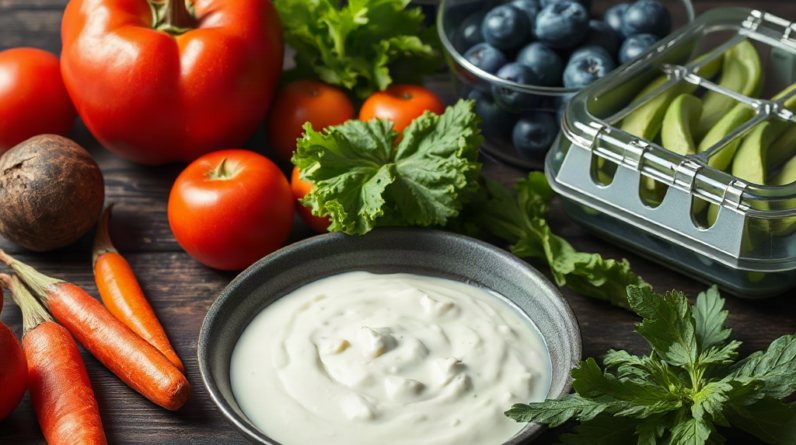
After shopping, dedicate a specific time to prepare your meals. This could involve batch cooking staples like grains and proteins, chopping vegetables, or even pre-assembling meals. Storing these items in clear containers can help you quickly access them during the week.
Good Health Solution is Easier Than Most People Think!
Take a Look for Yourself!
A common challenge is not having enough time to prepare meals each day. To mitigate this, consider choosing recipes that can be made in under 30 minutes or can be easily reheated. Additionally, utilizing kitchen gadgets like slow cookers or pressure cookers can save significant time.
Common Mistakes to Avoid
While planning healthy meals at home can be straightforward, several common mistakes can derail your efforts. One major pitfall is overcomplicating meal prep with elaborate recipes that are difficult to execute on busy days. Instead, focus on simple, wholesome recipes that can be modified based on what you have available.
Another mistake is neglecting to account for snacks. Healthy snacking can help maintain energy levels and prevent overeating during meals. Prepare healthy snacks like cut vegetables, hummus, or nuts to have on hand.
Lastly, many individuals forget to adjust their meal plans as their schedules change. Flexibility is key; if you know you’ll be busy one week, opt for quicker meals or leftovers to avoid falling back on unhealthy convenience foods.
Further Reading
Authoritative Sources
- MedlinePlus
medlineplus.govConsumer-friendly medical and health information from the U.S. National Library of Medicine.
- National Institutes of Health
nih.govResearch-based health information and links to authoritative medical resources.
- Centers for Disease Control and Prevention
cdc.govOfficial public health guidance, prevention resources, and topic-specific recommendations.
- Mayo Clinic
mayoclinic.orgTrusted clinical guidance, symptom explainers, and treatment overviews.
- World Health Organization
who.intGlobal health guidance, fact sheets, and evidence-based public health information.
Frequently Asked Questions
What are the key components of a healthy meal?
A healthy meal typically includes a balance of fruits, vegetables, whole grains, lean proteins, and healthy fats.
How can I plan meals for a busy week?
To plan meals for a busy week, choose quick recipes, batch cook on weekends, and prepare snacks in advance.
What are some common meal prep mistakes?
Common meal prep mistakes include overcomplicating recipes, neglecting snacks, and failing to adapt plans to changing schedules.
How can I ensure variety in my meals?
To ensure variety, rotate different proteins, grains, and vegetables each week, and try new recipes regularly.
What are the benefits of meal planning?
Meal planning can save time, reduce food waste, and help you maintain a healthier diet by preventing impulse eating.
Conclusion
Planning healthy meals at home requires thoughtful consideration of nutritional balance, essential foods, and practical meal preparation techniques. By avoiding common mistakes and prioritizing variety, you can create satisfying meals that support your health goals. Remember to stay flexible and adjust your plans as needed to maintain consistency. With a structured approach, you’ll not only improve your diet but also enjoy the process of cooking and eating healthy meals.

Good Health Solution is Easier Than Most People Think!
Take a Look for Yourself!